

Winter wedding theme ideas run from full-scale ice palaces to a single fireplace and borrowed wool throws, and the deciding factor is rarely budget. It is whether your venue will let the cold in or keep it out. A lodge in the Blue Ridge Mountains moved sixty guests indoors when the wind hit twelve degrees, and the couple who stopped pretending their dining room was a terrace got the better photographs.
1. Winter Wonderland Theme
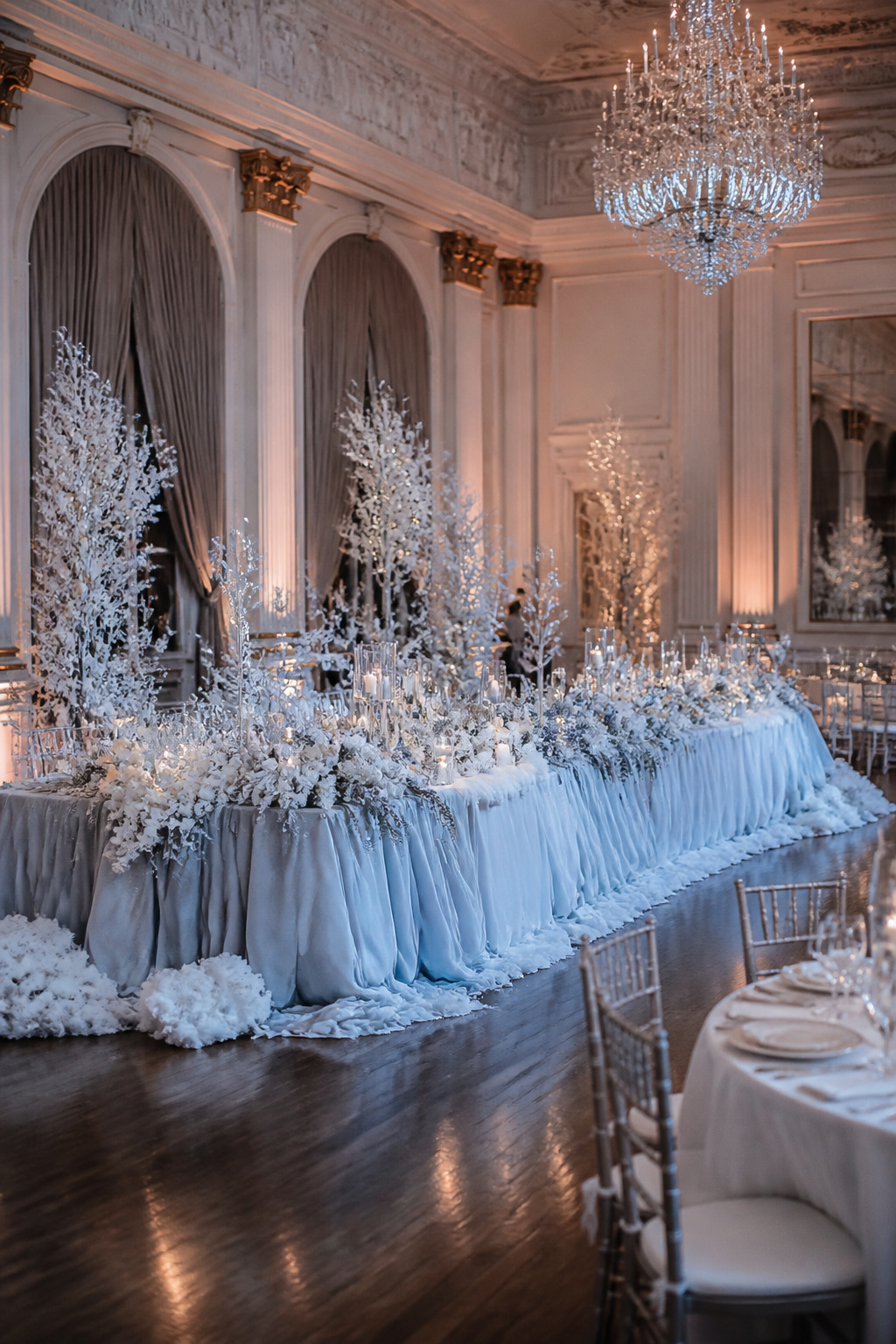
A winter wonderland wedding lives or dies by its texture, and faux snow is the detail that separates convincing from costume. The sources all point to the same palette: white, silver, and ice-blue working together to build that frozen-fairytale feeling. Pale blue berries and frosted greens in the florals, shimmering silver accessories on the bridesmaids, ice-blue linens catching the light. What the written descriptions skip, though, is how unforgiving this palette is under warm lighting. I have watched venues with 2700K amber bulbs turn every silver element dull gray and every ice-blue arrangement into dishwater. Cool white lighting, 4000K or higher, keeps the frost intact. For texture, the mix matters more than the quantity: snowflake motifs, tinsel strands, icicle-inspired pieces, and the faux snow itself layered at different depths so nothing reads flat against a white tablecloth. One wedding I photographed had the faux snow piled too uniformly across the head table, and in images it became a blank white wall with no dimension. The couple who scattered it in drifts of varying thickness, letting some dark linen show through, gave the camera actual shape to work with. That scattered approach also costs less material for more visual impact.


Pack of 5 pcs faux white snow willow branches. They are made of high-quality silk and plastic and measure 41 inches in length.

Sparkling Iridescent Artificial Fake Snow Flakes It shimmers beautifully under light, simulating natural sparkling snow and building a dreamy winter wonderland scene.
2. Cozy Indoor Ceremony

A January ceremony I photographed in the Blue Ridge Mountains was supposed to happen on a stone terrace with sixty-mile views. The morning forecast shifted from forty degrees to twelve with wind, and by noon the decision was made. The venue staff rolled back the dining-room doors, pulled the ceremony chairs inside, and the couple lost their outdoor aisle but gained something better: a room where the fireplace was already lit, where the guests arrived flushed from the cold and settled in close.
Warm textiles saved the mood. The couple had rented velvet runners and wool throws as decorative accents for the terrace lounge; instead, the staff draped them over the ceremony chairs and hung a few as a backdrop behind the officiant. What read as rustic prop became functional shelter from the draft that slipped through the old lodge’s window frames. The bride later told me the enclosed space, maybe thirty feet square, forced everyone into a single group rather than spreading them across a lawn, and the vows felt like they were spoken in a living room.
The shift from outdoor aspiration to indoor reality works when you stop pretending the room is something it is not. That couple kept the windows uncovered so the snow was still visible, let the fire provide the light the terrace would have offered at golden hour, and skipped the long procession. Guests stood until the bride entered, then sat in chairs close enough to touch elbows. The photographs from that ceremony show people leaning in, not back.

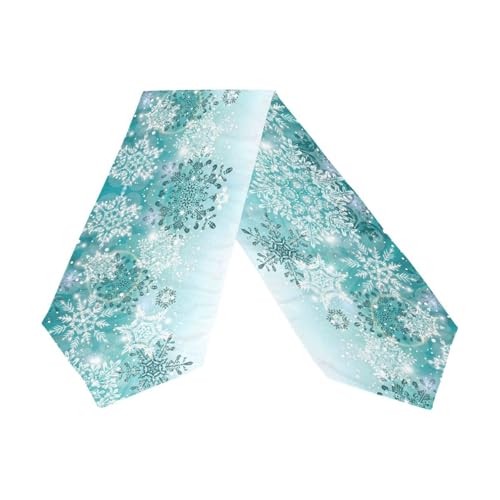
Christmas Snowflake Table Runner: Stylized polyester netting with metallic silver foil, easy care and long-lasting durability. Size - Width 11 inch x length 108 inch (2 PCS). It can satisfy your daily use for most tables. Ramp up the glam with this shimmering silver table runner

Size:29" W x 120" L.

[FEATURE]: Snowflakes are beautifully embroidered on silver metallic fabric. Diamonds and sequins on the runner showing a fantastic 3D snowflake, make the runners luxury look. This christmas table runner is perfect for any winter themed party - It can be applied in decorating both Christmas parties and New Year party. The glitter table runner will dressing up your dining tables or wedding, cozy up your party tables and add a dash of vintage charm to your dining tables.
3. Seasonal Color Palettes

Winter light does strange things to color, and that is the first thing to account for when choosing a palette. The sun sits lower, the shadows run blue, and what reads warm and rich in July can turn flat or muddy by December.
Burgundy and gold is the pairing that holds up best against that light. The gold catches what little warmth the afternoon offers and throws it back into the room; the burgundy keeps enough depth to not disappear after 4 PM. I have seen this work at a hotel ballroom in Minneapolis where the couple wanted the evening to feel like a candlelit library rather than a convention center. The gold was in the flatware and the edge-lighting, not sprayed across every surface, and that restraint kept it from reading as a Christmas party.
Emerald green and navy is trickier. Both colors are deep jewel tones, and together they can sink into near-black under winter’s weak sun. The combination needs a third element, something to break them apart: ivory linen, brass candlesticks, a single lighter green in the floral. Without that lift, the room photographs as a dark rectangle and guests strain to read place cards. I tried this once at a lodge wedding in northern Wisconsin where the windows were small and the afternoon disappeared fast. The couple loved the palette on the swatch, but in the space it swallowed the details they had spent months choosing. We added cream runners at the last minute and salvaged it, but the lesson stuck.
Dusty blue and silver reads as the classic icy winter wedding theme idea, and it works when the venue has enough warmth already: wood beams, candlelight, a crowd in dark suits that provide contrast. In a white tent or a glass atrium it can feel sterile, more hospital corridor than celebration. The silver needs to be aged or brushed, not mirror-bright; bright silver under LED lights flickers and competes with skin tones in portraits.
The pairing I now steer couples away from is blush and grey for a true winter date. The sources list it as soft and romantic, and it is, in spring. In January the blush turns ashen and the grey reads as dirty snow. Save it for March, when the light is turning.
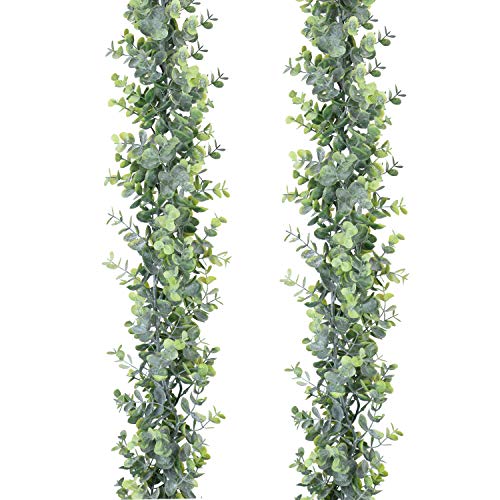
Quantity:2 Pack Faux eucalyptus garland , Each pack with 134 Pcs large fake eucalyptus leaves, total 268 Pcs Eucalyptus Leaves,This eucalyptus garland has many branches,Looks very realistic and Three-dimensional.

Garlands Material: Artgar garland are crafted with leaves made from EVA material, while the flowers and flower spikes are crafted from paper. Each piece is pure handmade, ensuring durability and longevity without worrying about flowers or leaves falling off or wilting. This garland for mantle all year round offers vibrant colors and rich textures, complementing any decorative style
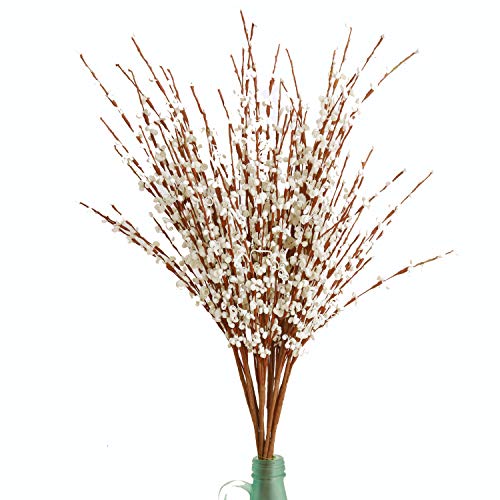
Add a fresh pop of color and a wintry touch to your wreaths, arrangements or other craft projects with this Winter and spring Jasmine artificial flowers
4. Winter-Inspired Flowers

Amaryllis and anemones carry winter weddings better than most couples expect. Bold, sculptural amaryllis stems anchor a bouquet with height no summer bloom matches, while anemones with their dark centers read as frost against white petals. White roses bridge the seasons if you must have them, though the ones arriving in January have traveled farther and show it.
Three winters back, a bride insisted on peonies for her February ceremony. The order came in bruised, half-open, and already browning at the edges. The florist and I had roughly four hours to rebuild every centerpiece. Evergreens, pine and cedar mostly, filled the gaps the failed blooms left behind. Holly with its red berries and dusty miller with that silvery, frost-finished leaf carried the visual weight until the arrangements looked intentional, not rescued. Evergreens and textured greens will hold an arrangement when fragile blooms cannot, and they cost a fraction of out-of-season imports.
Eucalyptus works the same way, soft and muted, for garlands running down long tables. The lesson cost that bride extra in rush fees, but the result outlasted the ceremony by hours. Fresh evergreens do not wilt under venue heat the way exhausted hothouse flowers do.
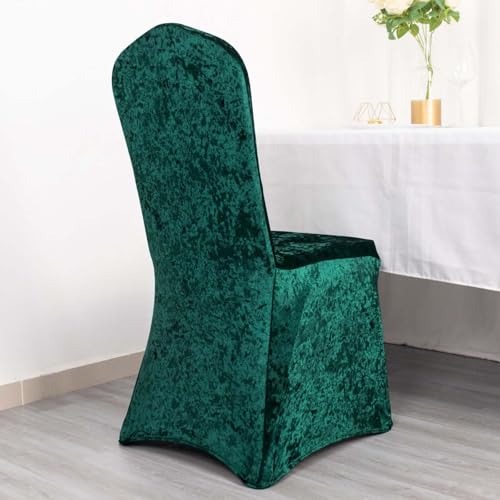
Quantity: 1 Chair Cover Material: 190 GSM Crushed Velvet Spandex Style: Front Leg Open Arch Top: Rounded (ARCHED)
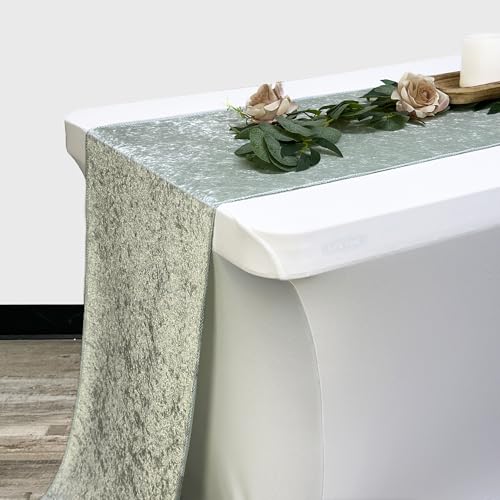
Elevate your table decor with our 14 x 108 inch sage velvet table runner, perfect for weddings, events, hotels, and catering services. Create a captivating ambiance.
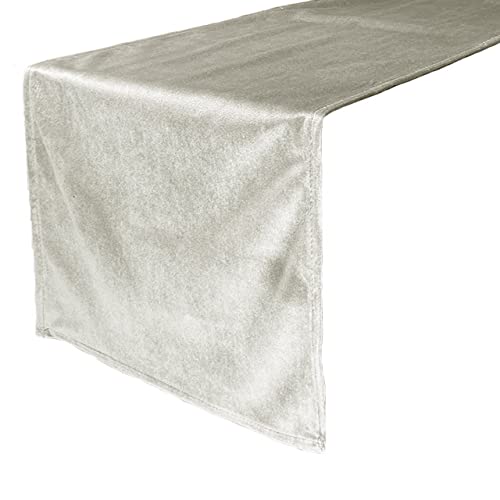
Enhance your events with our ivory velvet table runner, measuring 14 inches wide and 108 inches long, perfect for adding a touch of elegance to any table setting.
5. Magical Lighting

Candlelight is where winter weddings earn their warmth. Jamie Schneider lined her Aspen aisle with hundreds of pillar candles in varying sizes, and that reclaimed wood chuppah glowed against the snow in a way electric light simply cannot replicate. The trick is density: scattered candles read as decoration, but clustered by the dozen they become the atmosphere itself.
String lights have their place, but they rarely deliver enough brightness for clean reception photos. I have seen too many galleries where the couple’s first dance disappears into muddy amber shadows because the ceiling was draped in fairy lights that looked magical to guests and invisible to camera sensors. Use them for texture, not for task lighting; your photographer will need something harder on the dance floor.
Chandeliers with dimmable bulbs solve the transition problem. Caroline Constas got this right at The Bowery Hotel, where 1930s jazz and dim candlelight flickered through dinner, then lifted as the evening opened up. The control matters more than the fixture. Winter nights are long, and one static brightness level will betray you by nine o’clock.
IRIDESCENT SPARKLING SNOW: Lightweight translucent artificial flakes create the appearance of shimmering freshly fallen snow for seasonal decorating and winter displays

Looks Like REAL Snow: Each bag including 13 Ounce artificial dry plastic snow, enough for your to decor holiday displays, Christmas occasions, winter theme party and so on

Looks like REAL snow!!! Environmental plastic; non-toxic material
6. Unique Winter Venues

Ski lodges and mountain resorts already carry the bones of a winter wedding theme ideas celebration without much added decoration, which makes them one of the more honest choices for a couple who wants the season to feel present rather than performed. The snow outside the window does the work that fabric and lighting struggle to replicate elsewhere.
Rustic barns sit at the opposite end of the same impulse. Fabric drapes and evergreen wreaths can warm a barn into something inviting, though the heating situation matters more than the photographs suggest. I looked at one barn in Pennsylvania that photographed beautifully but had no insulation and a single propane heater rated for a space half its size; the ceremony would have been fine, but a three-hour reception in January would have sent guests to their cars. The greenhouse wedding I saw done there worked because the structure itself was glass and the couple accepted a smaller guest count.
Grand ballrooms or banquet halls give you the blank slate that mountain venues do not, and the transformation into an icy, ethereal space is deliberate rather than found. A Westlake Village wedding I studied used cascading white flowers for the ceremony and moved inside to gold and deep red accents against white walls; the ballroom succeeded because the couple committed to the contrast rather than fighting the room’s formality.
The venue is the atmosphere. Everything else adjusts to what the walls and windows already decided.

Product Composition and Dimensions: this 10ft long winter gauze table runner comes in six pieces, 29 inches wide by 120 inches long; It's ample for everyday use and suitable for rectangular and round tables

Set of 2, each measuring 11 inches in width and 108 inches in length. Rolled packaging ensures your runner arrives smooth and free of wrinkles.

Festive Design: Glitter silver snowflake adorned on light blue sheer fabric, adding a winter wonderland charm to your table for Christmas or frozen-themed parties
7. Winter Wedding Fashion

Long sleeves are the single most useful move in winter wedding fashion, and the detail that separates an intentional season from a costume. Mosha Lundström Halbert wore a long-sleeved ivory gown under a bridal evening coat for her New Year’s Eve ceremony in Reykjavik; the sleeves carried the look when the coat came off indoors, and the silhouette stayed clean rather than layered. Savannah Miller’s December wedding in London went the same direction, a dress that read as "a winter queen" without the bulk of outerwear through the whole reception.
Faux fur works when it is removable. A wrap or stole for the ceremony and portraits keeps the line narrow at the shoulders, which reads as elegant; a jacket you keep on all night widens the silhouette and starts to look like outerwear. The same distinction holds for accessories. Velvet gloves read vintage and deliberate; scarves and wraps for outdoor shoots should come off before you sit down, or the texture competes with the dress.
"Snowflakes were our version of wedding confetti."
— Vogue
That bride still built the look around the long sleeve underneath, not the spectacle around it. Sparkle on the bodice or sleeves catches the low winter light, but the sleeve itself does the warmth. Wallis Whitcomb walked a snowy Aspen field in felt wool boots; practical, photographed well against the meadow, and the dress above it stayed the focus because the boot stopped at the ankle and did not fight the hemline. The mistake is choosing warmth that competes with the shape of the dress.

2 Pack Black Eucalyptus Garlands – Each pack includes 2 pieces of black artificial eucalyptus garlands, 5.9FT long, perfect for adding a unique and dramatic touch to your holiday or everyday decoration.
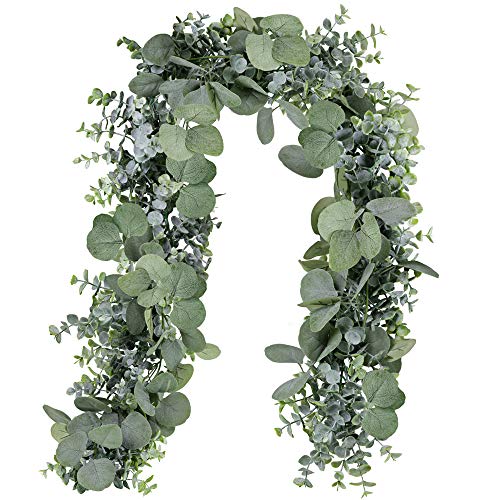
5.9' Long Faux Eucalyptus Leaves Greenery Garland Artificial Silver Dollar Eucalyptus Garland in Grey Green Blended. They won't wilt or fade and are easy (and lightweight) for destination weddings!

[PACKAGE & SIZE]: The package includes 5 pack artificial eucalyptus garlands in around 5.6 feet length each. Each leaves garland contains 134 fake eucalyptus leaves, a total of 670 fake eucalyptus leaves. They can be twisted together to look denser.
8. Hot Beverage Stations

A hot beverage station gives guests a reason to leave the dance floor and actually talk to each other. At the winter wedding I shot last February, the couple set up three self-serve options: hot chocolate with marshmallows and whipped cream, mulled wine in a slow dispenser, and a flavored coffee bar with cinnamon and vanilla syrups. They opened it right after the ceremony while guests waited for the room flip, then kept it running until the cake cutting.
The coffee went first, which surprised them; they had guessed the mulled wine would be the star. The chocolate ran out twenty minutes into the reception, even though they had stocked twice as much as the caterer recommended. What barely moved was the mulled wine. Guests tried it for the photo, set it down, and went back for coffee. The couple later admitted the wine had sat warming since three o’clock and turned slightly bitter, but pride kept them from pulling it. Rustic wooden crates held the mugs and toppings fine, though the pinecone decorations scattered every time someone reached past them.

Transform any event space with our crinkle taffeta drape backdrop, perfect for weddings, birthdays, and outdoor parties. Adds elegance to your décor effortlessly. Made from...
9. Winter Wedding Cakes

A three-tier buttercream cake loaded with fresh holly and pinecones made it to a December venue in one piece, but the gingerbread spice cake I tried the following winter cracked clean through during transport because the buttercream set rock-hard in a thirty-degree trunk and the fondant underneath had nowhere to flex. That second baker had to rebuild on-site while guests watched, and the lesson stuck: cold-weather deliveries need room-temperature staging, not straight from van to display.
The cakes that actually work this season lean into what winter already gives you. Frosted white icing reads as snow without extra fuss, and a "naked" cake with visible layers pairs naturally with sugared berries or evergreen sprigs for that rustic warmth guests want in December. Metallic accents do heavy lifting too. A gold-drip finish or silver snowflake detailing catches the low afternoon light in a way that feels intentional, not just festive.
Flavor is where couples usually play it safe, which is a mistake. The gingerbread that failed structurally still tasted better than the vanilla rounds nobody touched. Spiced apple, dark chocolate with orange, and salted caramel all hold up in dense buttercream and give people something to remember. One bride I photographed served a thin dark-chocolate ganache between tiers with espresso buttercream outside; the cake looked almost architectural and emptied before the bouquet toss.
Set the cake on a stand ringed with frosted greenery or small candles, and the whole table becomes part of the design without competing with it.

CHRISTMAS STAPLE. Our Snowflakes Christmas Decoration is a classic addition to make your Holiday set up by appearances of indoor snow which will allow you to match it with other decorations or ornaments easily.

Realistic White Artificial Fake Snow Made of premium lightweight plastic material, these bright white faux snow flakes closely mimic the appearance of natural snow. Pure white color delivers authentic snowy scenery for all winter scene arrangements.

[Measure]: Mid calf boots heel~13cm=5.1''
10. Outdoor Snowy Portraits

Snowy backdrops give portraits a texture no studio light can copy, but the window for shooting them is narrow. Last January, a light flurry started during the ceremony and kept up just long enough for twenty minutes of portraits after. The flakes were large enough to read on camera without melting on contact, and the couple had time to change into boots and a coat. Guests who want outdoor portraits need a warm indoor holding area within a two-minute walk, because the cold drains posing energy fast.
A different February wedding taught me the hard limit. The temperature dropped faster than forecasted, and after eight minutes outside the bride’s hands were too stiff to hold the bouquet naturally. We moved everything to a covered porch with snow visible behind them. The portraits were still beautiful, but the couple lost the wide, open backdrop they had planned. Now I build a hard stop into the timeline: if the real feel drops below twenty degrees, we shoot from inside or we do not shoot. The couple makes that call beforehand, not when shivering has already set in.

High Quality & Durable : Made of 100% spun polyester, sturdy sewing, soft and durable, protecting your table's surface from hot pans, scratches, and spills
Material: the modern design table runner made of durable polyester fabric material; Measures 13"Widex70"/90"Length

Christmas Snowflake Silver Table Runner: Created for the winter season, easily adds holiday vibe to your dining table, bar, fireplace or party space
Evening Firepit Warmth

A firepit can pull the whole evening together, or it can pull it apart. At a January wedding outside Asheville, the couple had placed a single propane ring at the center of the cocktail lawn. Guests circled it for hours, the light catching the frost on their coats, and the photographer moved through the crowd without flash because the flames gave him everything he needed. That night worked because the pit sat low, below seated eye level, and the fuel burned clean enough that no one shifted seats to dodge smoke.
The mistake I keep remembering was a mountain venue in Colorado where the couple had chosen three wood-burning pits in a row, all upwind of the tent entrance. Every time the breeze turned, the receiving line filled with hickory smoke and watering eyes. The grandmother of the bride left early with a headache. Wood smells romantic until it owns the space completely.
Propane burns where you put it; wood goes where the wind sends it. For a winter wedding, that difference matters more than the look of the logs. Placement should be checked at the same hour the reception will run, not at noon when the air sits still. Set pits at least twenty feet from any tent wall or fabric canopy, and walk the site yourself after dark to see where the light falls and where the smoke drifts.
Snowy Portraits Beyond the Couple
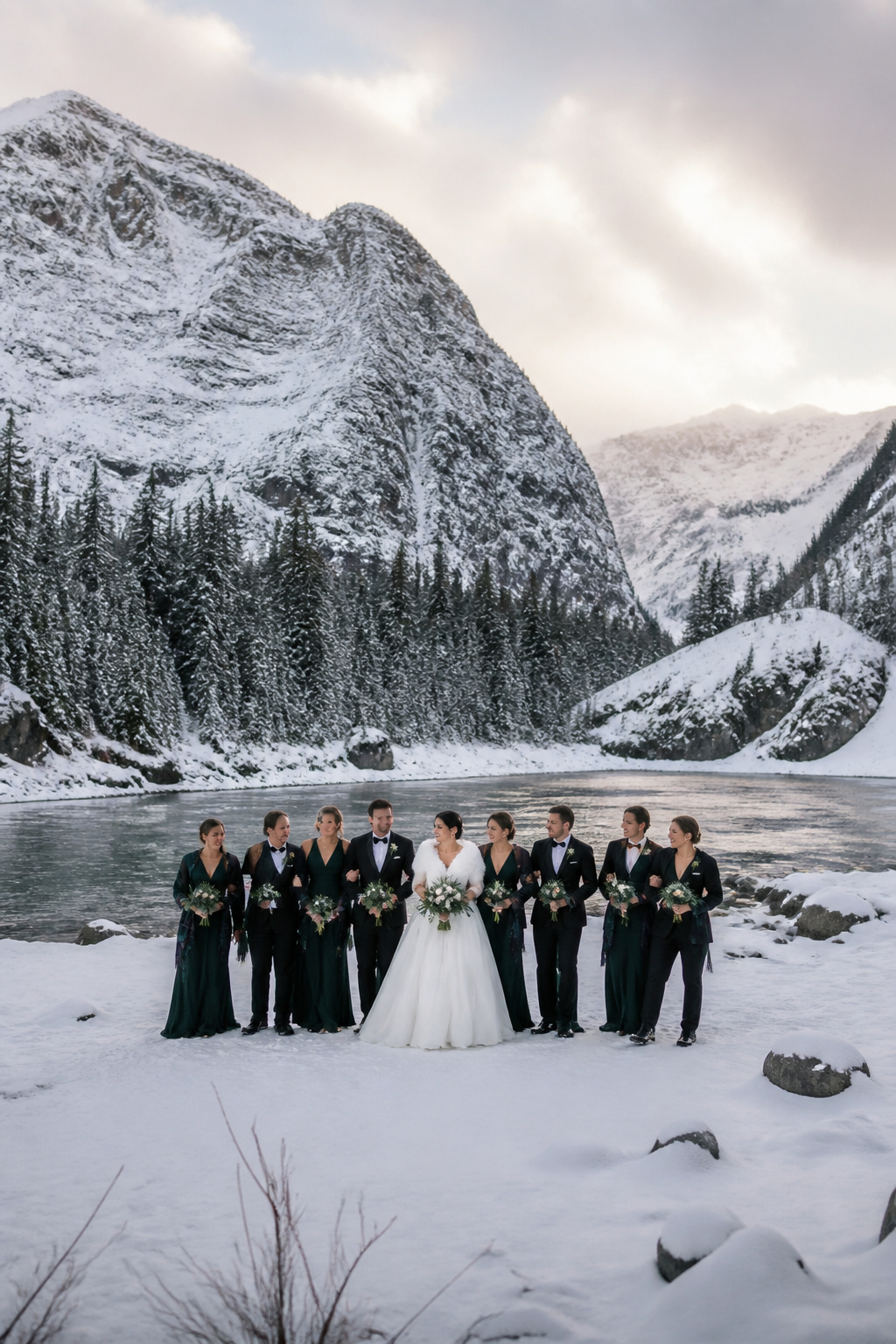
Snow reflects light in a way flatters skin tones, but that glow comes with a clock attached. From what couples have told me after their winter weddings, the cold tolerance window for group portraits is about five to eight minutes before smiles turn stiff and shoulders start hunching. The bridal party shots work best early in that window, when people are still excited to be outside. Family portraits in snow are harder; older relatives feel the cold faster, and by minute four the grandmothers are done. I schedule those first, keep the wedding party shots for minute three through six, and save any playful snowball tosses for the end when only the couple remains. Dress warmly between shots, as one bride put it, but the coats have to come off fast when the camera raises. Early afternoon light helps, since you are not racing sunset on top of the temperature.
Glitter Bars

A glitter bar is exactly what it sounds like: a staffed station where guests brush cosmetic-grade sparkle onto their hair, collarbones, or cheekbones. I first saw one at a January reception where the couple had hired an artist for three hours at roughly the same rate as a second photographer. The bar sat near the dance floor, which turned out to matter. Guests who passed it on the way to get drinks actually stopped and used it; by 9 p.m. half the wedding party had shimmer catching the string lights. The mistake I’ve seen is placing one too close to the entrance as pure decoration. Guests walk past, assume it’s part of the tablescape, and never realize it’s interactive. If you book one, put someone there to call people over for the first hour. The product itself is cheap, maybe $15–25 per person if you DIY the supplies, but the artist’s time is what drives the cost. Without that human invitation, your glitter stays in the jars.
Keeping Guests Warm

The first thing guests ask when they see a winter invitation is whether they will freeze. At a January wedding I shot in Vermont, the mercury sat at 22°F and the bride had planned for it. She ordered one blanket per guest, stacked in wicker crates by the ceremony entrance. Guests grabbed them on the way to their seats, and half took them home as favors afterward.
Blankets handle the ceremony. For the reception, the same couple had stationed two firepits on the lawn, close enough that guests could step out between courses and warm their hands. The venue triggered that setup at anything below 32°F, which was their written policy and a useful benchmark to ask about when you tour.
Hot drinks fill the gaps the blankets and firepits cannot. A self-serve station with cocoa, mulled wine, and coffee ran from cocktail hour through last dance. The bride used rustic wooden crates to hold the mugs and dispensers, which kept the line moving and matched the winter wedding theme without extra decoration. Guests lingered there. The station cost less than a single extra hour of heating the tent, and it showed up in more photos than the cake.
Frequently Asked Questions
What are some winter wedding theme ideas?
A winter wonderland theme with faux snow, ice-blue linens, and silver details creates a frozen-fairytale atmosphere, though cool white lighting at 4000K or higher is needed to keep the palette from turning dull. Cozy indoor ceremonies with warm textiles like velvet runners and wool throws work well when weather forces you inside. Seasonal color palettes including burgundy and gold, emerald green with navy, or dusty blue and silver each carry different risks under winter’s weak light.
How can I keep my guests warm at a winter wedding?
Order one blanket per guest and stack them at the ceremony entrance so people grab them on the way to their seats. Station firepits close enough that guests can step out between courses to warm their hands, and set up a self-serve hot beverage station with cocoa, mulled wine, and coffee from cocktail hour through last dance. A venue policy of triggering outdoor heating at anything below 32°F is a useful benchmark to ask about when you tour.
What flowers are in season for winter weddings?
Amaryllis and anemones carry winter weddings with bold, sculptural height and dark centers that read as frost against white petals. White roses bridge the seasons, though January arrivals have traveled farther and show wear. Evergreens, pine, cedar, holly with red berries, and dusty miller with its silvery, frost-finished leaf will hold arrangements when fragile blooms fail, and they cost far less than out-of-season imports.