
Wedding decor in 2026 runs from $3,500 DIY setups to $50,000 luxury installs, and the only thing that separates them is which zones you decide actually matter.
The five that pull weight are entrance, dining tables, dance floor, lighting rig, and signage; everything else is layering you can strip if the budget tightens.
String lights alone reshape a rented hall for $300–800, while poor lighting flattens even $400 florist centerpieces into afterthoughts.
1. Wedding Themes That Actually Hold Together

A wedding theme only works if it drives real decisions, not just mood-board inspiration. Rustic and bohemian styling means wooden accents, wildflowers, and macramé with warm earthy tones running through everything from the arch to the table numbers.
Those choices are not decorative extras; they are the filter that keeps the floral arrangements and table settings from drifting into something else entirely.
Classic and elegant follows the same rule with different material. White roses, gold fixtures, crystal chandeliers, and draped fabric set a standard that rejects anything too casual.
The table settings carry weight here because guests spend most of their evening at their seats, and every piece on that surface either confirms the theme or breaks it.
Garden and floral pushes abundant greenery and fresh blooms through an open-air aesthetic. Without the structure of a theme, that much plant life turns cluttered fast.
The theme is what tells you which arrangements belong on the table and which belong overhead, so the room reads as intentional rather than overgrown.

🌹PACKAGE INCLUDES: The package includes 4 Pcs artificial eucalyptus garland with flowers. Each piece of flower vine is 6.5Ft/2M long and decorated with 8 white roses, eucalyptus leaves and seeds. There are also many small plastic rings distributed on the vine for easy hanging. You can easily trim or bend the shape according to your own preferences and decorative needs.

Size: the whole flower vine Length is about 6ft, Width about 10in(natural state), size of the rose is about 7cm/2.76in.
2. Ceremony Area Decor

The ceremony space lives or dies at two points: the backdrop guests see when they look up, and the path the couple walks to get there. Everything else is layering.
A floral arch or draped arbor behind the altar does the heavy lifting for emotional tone. It frames the vows in color and texture, and it photographs cleanly whether your crowd is thirty people or three hundred.
I have seen ceremonies where the arch was the single rented piece, moved straight to the reception as a photo-booth frame after the recessional, and nobody guessed it had already done a shift.
Aisle decor works the same way if you treat it as a sequence, not a border. Petal cones, small lanterns, or low bud vases along the edges keep sightlines open for guests and photographers alike.
Tall pedestals at the aisle entrance add drama without cluttering the path itself. Ribbon wands or floral hoops hung from chairs read whimsical in outdoor settings, though they can snag on narrow church pews.
Seating arrangement matters more than seating decoration. The shape of the chairs and the spacing between rows determine whether guests feel present or parked.
A straight aisle with clear center sightlines beats elaborate chair treatments every time.
Ceremony decor is brief by nature. The whole thing runs fifteen or twenty minutes.
Budget accordingly: rent the arch, reuse the flowers, keep the aisle simple enough to strike in half an hour.

Complete 12-Pack Centerpiece Set: Includes 6 small 4 x 4 x 4 inch wooden boxes, 6 large 5 x 5 x 5 inch wooden boxes, and 6 removable waterproof plastic liners designed to fit the 4 inch boxes. A flexible set for wedding tables, party centerpieces and home styling.

Centerpieces for Tables: Choose artificial flowers that full and beautiful, with dense eucalyptus leaves, incorporate natural elements into the design of your centerpiece set. Pairing with classic wooden box, this table sets will add an fresh and natural feel to your decor. Best spring centerpieces for kitchen, dining, living room, wedding, coffee table decor
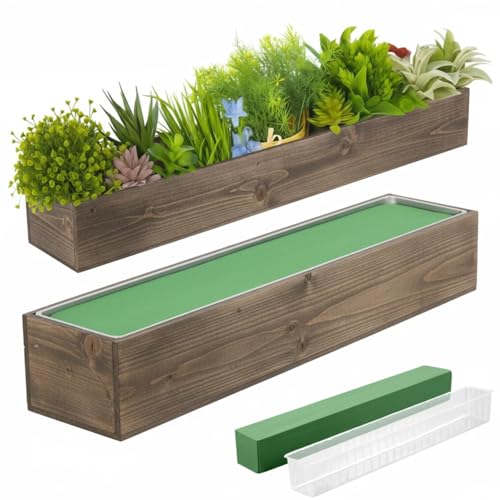
Complete Set: the set includes 2 wooden flower boxes, 2 plastic liners, and 2 flower foam blocks, enough quantity and good combination can meet your needs and replacements, you can also share some with your friends or family; Wooden vases do not drainage hole
3. Reception Decor

Reception decor alone chews through 30–45% of the total wedding budget, the single biggest line item after food. Current figures put the 2026 average at $3,500–$6,500 for most US weddings, though luxury events easily hit $15,000–$50,000.
Guests spend five or six hours at the reception versus maybe thirty minutes at the ceremony, so this is where the money shows. Centerpieces and table settings carry the visual weight because people sit there, eat there, talk there.
The five zones that actually matter are entrance, dining tables, dance floor, lighting rig, and signage. Allocate budget in that order.
Lighting upgrades deliver the best return of any category. String lights, uplighting, candles: they reshape a rented hall at relatively low cost.
Custom signs on fabric or PVC pull double duty as wayfinding and photo backdrops. The DIY tipping point sits around 50 guests.
Below that, homemade pieces hold up fine. Above it, professional hire usually wins on sanity and finish.
Peak-season florists and rental firms book out 9–12 months ahead. Start there, or you will be choosing from whoever is left.

No longer do you need to spend money on a mirror for your wedding. With our personalized vinyl, you can rent a mirror for the day and easily apply our stickers to it to make it your own. You can avoid unnecessary expenses and add a special touch.

Personalized for the Bride – Custom bride name and event details create a unique and memorable bridal shower welcome sign for your celebration.
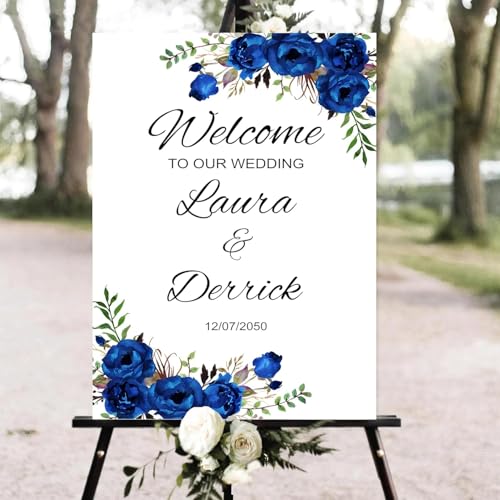
Our wedding welcome sign is the perfect way to greet your guests as they arrive. This beautifully designed wedding decor will set the tone for your event and let everyone know they are in the right place. Whether you're looking for a rustic, elegant, or modern welcome sign, we have something to suit every taste. Our wedding signs are made of high-quality materials and are built to last. So please, come on in and enjoy the celebration!
4. Lighting Ideas

Lighting is the single highest-ROI decor investment at a wedding reception, and the first place I look when a couple’s budget is tight.
Poor lighting makes even expensive florals look flat in photos and feel cold in person; get it right and everything else reads warmer by association.
String lights are the workhorse. A matrix of warm-white bulbs spaced 6–8 inches apart across the full ceiling height creates a starfield effect that works in almost any space.
For outdoor tent receptions, threading them through the roof liner is the move that defines the romantic outdoor look.
Budget $300–800 for a medium venue ceiling if you’re hiring a lighting company, though battery-operated options drop that figure significantly when the venue already has hooks installed.
Chandeliers add a layer of glow that string lights alone can’t reach.
Birdcage-style fixtures hung above individual tables lend height and drama without weighing the space down, especially in alfresco settings where you want the sky to still feel present.
Uplighting is where 2026 couples are getting bolder. Color-changing washes, custom monogram projections, and dance-floor "glow rooms" are showing up more as people look for ways to mark the key moments.
The trick is layering: combine two or three sources so the room has depth rather than a flat, uniform look. Candlelight from pillars, tapers, and votives at staggered heights still does the heavy lifting for intimacy at table level.

6-Pack Ceiling Drapes for Weddings: 6 panels white ceiling drapes for weddings, each ceiling draping fabric measure for 5 feet width x 10 feet length. Come with curtains light string, turn any empty room into a party-ready venue is to decorate with beautiful, flowy layers of floor to ceiling drapes!
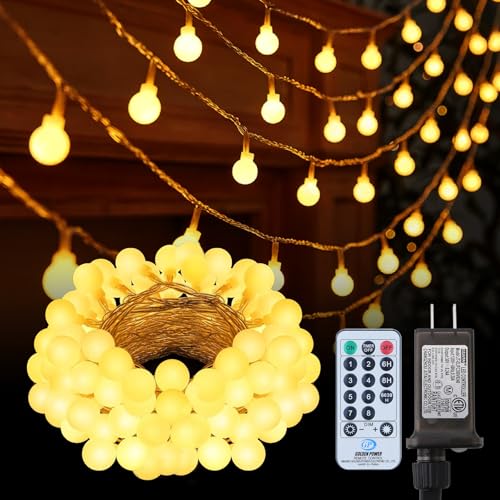
【Timing & Brightness Adjustable & Remote Control 】The string lights for bedroom is equipped with an intelligent remote control, two timing modes (6 hours on ,18 hours off and 8 hours on ,16 hours off ), and 4 levels brightness adjustment. There are also 8 lighting modes for you to choose, such as stable, flashing, slow gradient and so on. Whether it's decorated for indoors or outdoors, this fairy lights will create a warm and romantic atmosphere for you !
5. Floral Decor

Spring flowers carry the best value because they arrive at peak freshness without the forced-growing markup.
Peonies, tulips, and cherry blossoms land in that window, and a florist who sources them in season can stretch a bouquet budget further than imported off-season stems ever allow.
The same rule holds across the calendar: sunflowers and dahlias in summer, marigolds and dried grasses once autumn cools, white roses and amaryllis when winter limits the field.
Centerpieces set the tone guests actually live with through dinner. Low arrangements under 12 inches keep conversation open across the table and suit almost any room height.
A cluster of three at 6, 9, and 12 inches along a long table gives that lush garden feel for less than one tall statement piece.
Tall centerpieces at 24 inches or higher need ceilings of 14 feet or more to breathe; otherwise they tower awkwardly and block sightlines. Budget runs from $20–$40 per table for DIY low florals up to $200–$400 for florist-made tall arrangements, with luxury installs crossing $500.
Ceremony arches draw the eye where every guest looks longest.
Roses and eucalyptus build the classic shape, but cherry blossoms or peonies in season make the structure feel specific to the date rather than rented from any Saturday in any month.
Geometric frames, greenery walls, or acrylic panels with floral inserts each read differently; the arch is not an afterthought, it is the photograph every couple keeps.

➤【Stunning 3D Visual Effects】Combining high-quality tempered glass with infinity mirror panels and LED lighting, this dance floor creates mesmerizing 3D effects that instantly captivate attention. Perfect for weddings, parties, and events, it elevates the visual impact and leaves a lasting impression.

LED Source: 5x 5-Watt HEX LEDs (Red, Green, Blue, White & Amber + UV Extended range wireless DMX: up to 2,500 feet when used with ADJ's WiFLY EXR Battery Transceiver

Package Includes: (2) Rockville Party Spinner LED Moving Head RGBW DJ Light with DMX Controls+18 LED's, (1) Rockville ROCKFORCE 192-Channel Light/Fog DMX Lighting Controller, (2) Rockville RDX3M25 25 Foot 3 Pin DMX Lighting Cable 100% OFC Copper Female 2 Male
6. Signage and Stationery

A welcome sign at the entrance needs to be 24 x 36 inches or larger if you want guests to read it from fifteen feet away without crowding the doorway.
Printed PVC board holds up against wind and the occasional bump from a guest’s elbow; fabric avoids the reflective glare that acrylic throws back at flash photography, which matters more than couples expect once the reception photos come back.
Seating charts on mirrors or wood slabs double as decor while they solve the practical problem of guiding eighty or a hundred people to their chairs.
Table numbers, bar menus, and ceremony programs work the same way when the typography and materials match the rest of the day.
Custom neon signs have been climbing for three years straight and show no sign of flattening in 2026.
Budget $150–400 for one with your surname or a short phrase; placed against brick, greenery, or behind the bar, it becomes the backdrop guests gravitate toward for photos. Purchase turns it into living-room keepsake, hire lets you walk away clean.

Product Size: Each package includes 5 wisteria hanging flowers, measuring 7.2ft/86.6in with 10 flower stems. Each stem is 15in long, and the total weight of the package is 21.6oz/612g.

Warm Notice: We suggest you check the product information carefully before purchasing, so that you can reduce your return time:Since there is no glue used at the flower head, a small amount of flowers may fall from the vine inside the box, but it is easy to re-fix the connection

7. Unique Decor Ideas

Interactive decor shifts the energy from looking to participating, and the three setups that keep coming up are custom cocktail stations, interactive LED dance floors, and digital seating charts.
A cocktail station built around a specific drink, say a smoked old fashioned or a build-your-own margarita setup, gives guests something to do with their hands while they talk.
The bar becomes a natural gathering point without anyone needing to force mingling.
The LED dance floor responds to movement, so the lighting changes as more people step on. Early in the night it can feel empty and self-conscious; later, once the floor fills, the effect amplifies whatever energy is already there.
It does not create the party, but it rewards one.
Digital seating charts with QR code navigation matter most in large or unusually laid-out venues. Guests scan, find their table, and skip the bottleneck around a printed board.
The QR code only works if the venue has signal where guests will stand, so that detail needs checking during a site visit, not the week before.
One tension worth naming: the cocktail station and the LED floor both pull budget from more traditional decor.
My read is that guest experience wins over centerpieces people forget by dessert, but the tradeoff is real and worth deciding consciously rather than drifting into both.

Complete Package: the package includes 12 wood planter box, 12 plastic liners, and 12 flower foam blocks, enough quantity and good combinations to meet your needs and replacements, and you can also share some with your friends or family members; Wood vases have no drainage holes

Complete Set: the set includes 3 wooden flower boxes, 3 plastic liners, and 3 flower foam blocks, enough quantity and good combination can meet your needs and replacements, you can also share some with your friends or family; Wooden vases do not drainage hole
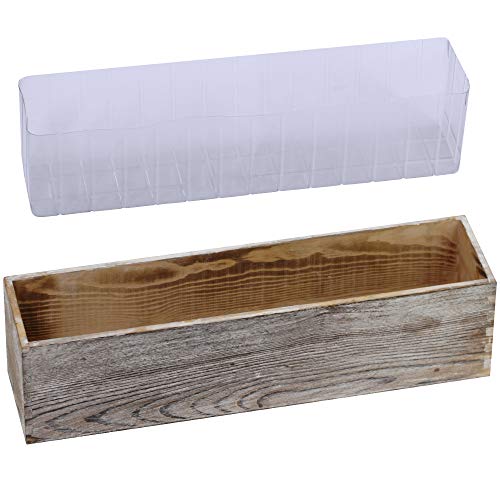
Quantity: Pack of 1 Rustic Rectangular Wood Planter Box Decorative Wooden Succulent Planter Window Box comes with a matching Removable Plastic Liner.
8. Sustainable Decor Options

Potted plants and living greenery have replaced the standard cut-flower centerpiece at a growing share of weddings, and the difference is practical, not just ethical. Guests take them home, so nothing hits the trash.
A cluster of three low arrangements at 6, 9, and 12 inches along a long table gives the same lush feel for less than a single tall piece, and terrariums or trailing greenery in lanterns keep the look alive without the florist’s markup.
Digital invitations cut paper waste to nearly zero, and the savings free budget for decor that shows up in person.
The same couple mailing thick cardstock suites can instead put those dollars toward ceremony florals that move to the reception and do double duty. That shift alone stretches a floral budget without anyone noticing the reuse.
Dried grasses, seasonal blooms, and vintage items borrowed or thrifted round out the look without the one-time-use waste that synthetic setups create. The result reads as intentional and elegant, not austere, because the materials themselves carry texture and warmth.

Gothic Wedding Style – Welcome sign with “Till Death” theme, ideal for gothic, Halloween, or alternative weddings. Adds a unique touch to your ceremony entrance.

Our wedding welcome sign is the perfect way to greet your guests as they arrive. This beautifully designed wedding decor will set the tone for your event and let everyone know they are in the right place. Whether you're looking for a rustic, elegant, or modern welcome sign, we have something to suit every taste. Our wedding signs are made of high-quality materials and are built to last. So please, come on in and enjoy the celebration!

Versatile Hanging Choices: our wedding welcome sign includes a 75 ft white ribbon and 2 retaining clips, which creates a versatile hanging solution; Easily fix it to anything, be it a tree, wall, or any other suitable place at your wedding venue
9. Budget Tips for Decor

The industry average for US weddings in 2026 lands at $3,500 to $6,500 for reception decor, a number that does not include catering, cake, or entertainment. Lock that figure in before calling a single florist or rental company.
Walking in without a total means vendors upsell constantly, and "no" becomes almost impossible to say.
High-impact areas deserve the largest slice: the ceremony backdrop, entrance, and sweetheart table. Greenery and foliage stretch dollars as filler where full floral arrangements would drain the budget.
Renting charger plates, candelabras, and arches beats buying outright, and in-season, locally grown flowers cut floral costs further. Moving arrangements from ceremony to reception lets them work twice.
Lighting, though, returns more visual weight per dollar than any other decor purchase. Poor lighting flattens even expensive florals and linens in photos, and leaves the room feeling cold in person.
Budget for it deliberately, not as whatever remains.

Energy efficient: comes with 500 leds but the total power is only 6W. No worry about energy waste.

6-Pack Ceiling Drapes for Weddings: 6 panels ivory ceiling drapes for weddings, each ceiling draping fabric measure for 5 feet width x 10 feet length. Come with curtains light string, turn any empty room into a party-ready venue is to decorate with beautiful, flowy layers of floor to ceiling drapes!
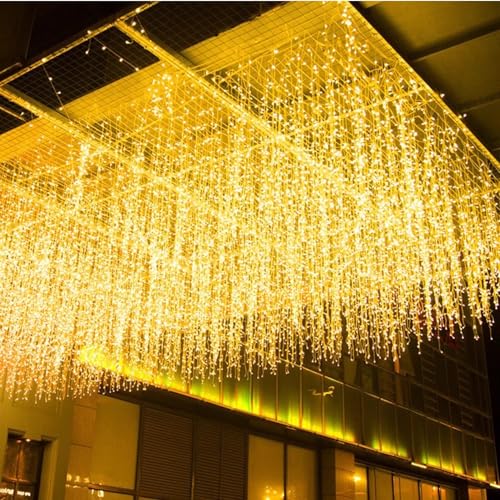
【Linkable Design】GYDING Window curtain icicle lights with tail plug ,be able to link many string light at the same time. (no more than connect 10 string light), you could custom the lights length you need, but can not be cut shorter.
What Technology-Driven Decor Looks Like Now

Interactive LED dance floors that respond to guest movement have moved from Vegas clubs to wedding receptions, and the shift makes more sense than it sounds.
The floor lights up underfoot as guests dance, turning the crowd itself into part of the decor. It is the one tech piece guests talk about afterward, more than projected visuals on walls or live-streamed messages on digital screens.
Digital seating charts with QR code navigation solve a quieter problem: guests wandering large venues with a paper card and no sense of scale.
A screen at the entrance updates in real time, and guests scan to see their table on a floor plan. No bottleneck at the escort card table, no reprinting when a cousin’s plus-one shifts to table nine.
The LED floor works best when the DJ booth is designed to match the wedding’s style, so the tech does not look dropped in from another event.
Smart lighting can then transform the mood from dinner to dancing without a decorator resetting the room. The cost runs high, and the floor needs a level surface and power access many historic venues lack.
The seating chart is cheaper to add and pays off most at 150 guests or more, where confusion actually costs time.

**Elegant Design**: Our Wedding Sign features a stunning white acrylic design, measuring 7 x 5 inches, perfect for elevating the ambiance of your reception, bridal shower, or any special event, ensuring it stands out as the best in memory.

【Includes Rotating Motor for Dynamic Light Effects】This 8-inch mirror disco ball comes with an electric hanging motor that slowly spins the ball to create moving reflections across your walls and ceiling—perfect for setting a dynamic party vibe.

【Includes Rotating Motor for Dynamic Light Effects】This 8-inch mirror disco ball comes with an electric hanging motor that slowly spins the ball to create moving reflections across your walls and ceiling—perfect for setting a dynamic party vibe.
Why Seasonal Flowers Save More Than Money

Eco-conscious wedding design has moved from a niche preference to a mainstream priority, and the decor choices are where couples actually see the difference.
Potted plants and living greenery as centerpieces do something cut florals cannot: they leave with guests at the end of the night, extending the life of your investment rather than feeding a dumpster.
The same logic applies to digital invitations and wedding websites, which cut paper waste entirely while carrying your color palette and theme forward into the physical space.
Blush and gold stationery signals warm, romantic decor; deep navy and white implies crisp and modern. Every decision, from linens to signage, should feel like it came from that same design family.
Repurposing ceremony florals at the reception stretches the floral budget further, and renting centerpieces rather than purchasing eliminates the one-time-use problem entirely.
Seasonal and dried arrangements add meaning while reducing waste, and vintage items carry history no synthetic setup can replicate. The look is ethical and elegant, but the real savings are in what does not get thrown away.
How I Budget Decor Against the Total

The industry average for US weddings in 2026 runs about $3,500 to $6,500 for reception decor alone, with that single category eating up 30 to 45 percent of the total budget.
That percentage is the largest line item after catering, which means the decor number can feel abstract until you map it against your actual ceiling.
I think of it as a pressure test. If your whole wedding budget is $25,000, that range puts you at roughly $7,500 to $11,250 for decor, which already overshoots the average.
Something has to bend: either the total budget climbs, or you land closer to 30 percent and get honest about which zones matter most. The five that pull weight are entrance, dining tables, dance floor, lighting rig, and signage.
Lighting upgrades deliver the best return of any decor category, so that is where I would allocate first if the percentage starts squeezing.
Luxury weddings run $15,000 to $50,000 on decor, but the average couple is not there. The mistake is talking to florists or rental companies before that total number is fixed.
Without it, vendors upsell constantly and every option feels possible until the invoice arrives.
Questions Couples Actually Ask Me

Questions about wedding planning ideas decor land in my inbox with the same rhythm every spring. Three of them come up often enough that I keep the answers ready.
- Unique decor ideas shape the whole mood. Custom wedding signs on fabric or printed PVC board anchor each zone and pull double duty as wayfinding and photo backdrops. Artistic shifts in 2025 and 2026 mean couples are transforming spaces more completely than before, not just dressing them up.
- Sustainable decor choices pair well with the DIY-versus-hire math. Below roughly 50 guests, thoughtful DIY can look stunning and cut waste; above that, professional hire almost always wins on quality and your sanity. Either path, start booking florists and rental firms 9-12 months out for peak dates. Good vendors fill fast.
- Best lighting ideas deliver the single highest ROI of any decor category. String lights, uplighting, and candles transform a space at relatively low cost, creating warmth and depth that expensive florals cannot compensate for under poor light. Budget accordingly here first; cold, flat lighting ruins even the best-laid tables in photos and in person.
What the Ranking Pages Get Wrong

The ranking pages spend their time on things this post will not.
They hand you detailed budget line items for charger plates and candelabras, or map out exactly how to audit ceiling height at your venue, or walk you through DIY signage step by step.
That information is useful until it is not.
What convinced me, reading through a dozen of these, is how often the advice assumes a specific kind of wedding: one with a single venue, a hired planner, and enough lead time to source in-season flowers locally.
The gaps are real. This post does not promise cost breakdowns for every element, because a welcome sign in Maine and a welcome sign in Texas run on different math.
It skips DIY step-by-step instructions; a paragraph on mirror seating charts will not teach you to letter one. It avoids venue-specific guides, because arched windows in a brewery need a different eye than floor-to-ceiling glass in a hotel ballroom.
The goal is narrower and, I think, more honest: give you the ideas that hold across spaces, then let your venue and your budget finish the job.
Frequently Asked Questions
What are some unique wedding decor ideas?
Custom cocktail stations, interactive LED dance floors that respond to guest movement, and digital seating charts with QR code navigation are the three setups gaining the most traction in 2026.
A cocktail built around a specific drink gives guests something to do while they talk; the LED floor amplifies energy once the crowd fills; the QR chart prevents bottlenecks at large venues, though it only works where cell signal holds.
Both the cocktail station and LED floor pull budget from traditional decor, so decide consciously rather than drifting into both.
How can I make my wedding decor sustainable?
Potted plants and living greenery replace cut-flower centerpieces and leave with guests at the end of the night, so nothing hits the trash.
Digital invitations cut paper waste to nearly zero and free budget for decor that shows up in person.
Repurposing ceremony florals at the reception stretches the floral budget without anyone noticing the reuse, while dried grasses, seasonal blooms, and vintage items borrowed or thrifted round out the look without one-time-use waste.
What are the best lighting ideas for weddings?
String lights, uplighting, and candles deliver the single highest return of any decor category.
A matrix of warm-white bulbs spaced 6–8 inches apart across the ceiling creates a starfield effect; birdcage-style chandeliers above individual tables add height without weighing the space down; and color-changing uplighting with custom monogram projections marks key moments in 2026.
The trick is layering two or three sources so the room has depth rather than a flat, uniform look. Poor lighting makes even expensive florals look flat in photos and feel cold in person.