Morilee wedding dresses are a mid-to-upper range bridal line built around five core silhouettes, with most gowns priced between $1,300 and $2,500. The catch is that the real cost often lands in alterations, not the tag, and the sample on the rack rarely runs in your size anyway. A satin sheath can look underdressed in a candlelit chapel while the same cut reads intentional on a beach, which is why Morilee tends to reserve that shape for outdoor and destination collections.
A-Line and Ball Gown Silhouettes
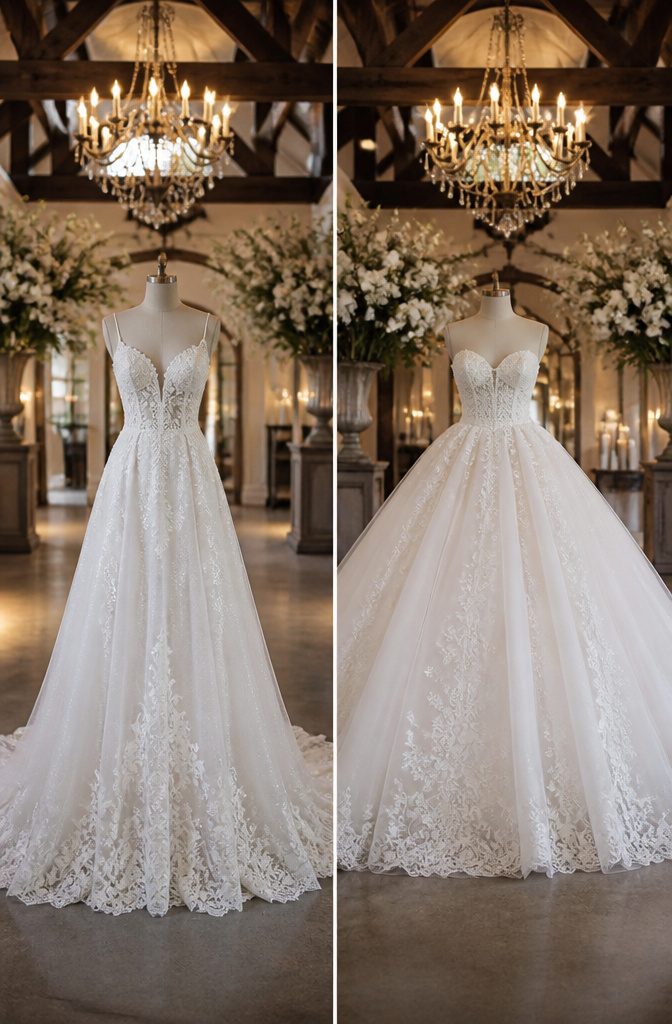
Morilee organizes its bridal collection around five core silhouettes, and the A-line and ball gown remain the two most traditional. An A-line dress skims outward from the waist in a gentle slope, giving structure without overwhelming a smaller frame. The ball gown pushes that volume further, building a full skirt that stands away from the body and reads more formal the bigger it gets.
Both shapes carry the lace and beading work Morilee is known for, but the ball gown’s expanse of fabric shows off embroidery and sequins at a scale the A-line cannot match. The A-line wins for venues with tighter quarters or brides who want to move through a crowd without managing tulle.
Size range runs 0–34 across these silhouettes, so the choice between them is not about whether the shape exists in your size. It is about how much presence you want the dress to carry. For a black-tie ballroom, the ball gown’s drama fits. For a garden ceremony or a reception where you will be on your feet, the A-line’s lighter sweep keeps the day easier without looking underdressed.

Soft Comfort: Crafted from 90% Nylon and 10% Elastane, this sleeveless lace dress offers a gentle, breathable fit. The lightweight lace drapes beautifully, keeping you comfortable for all-day wear at formal or casual events.


Fitted Reminder:Fitted sleeves; Recommended for Slim Builds;
Fit and Flare and Mermaid Shapes
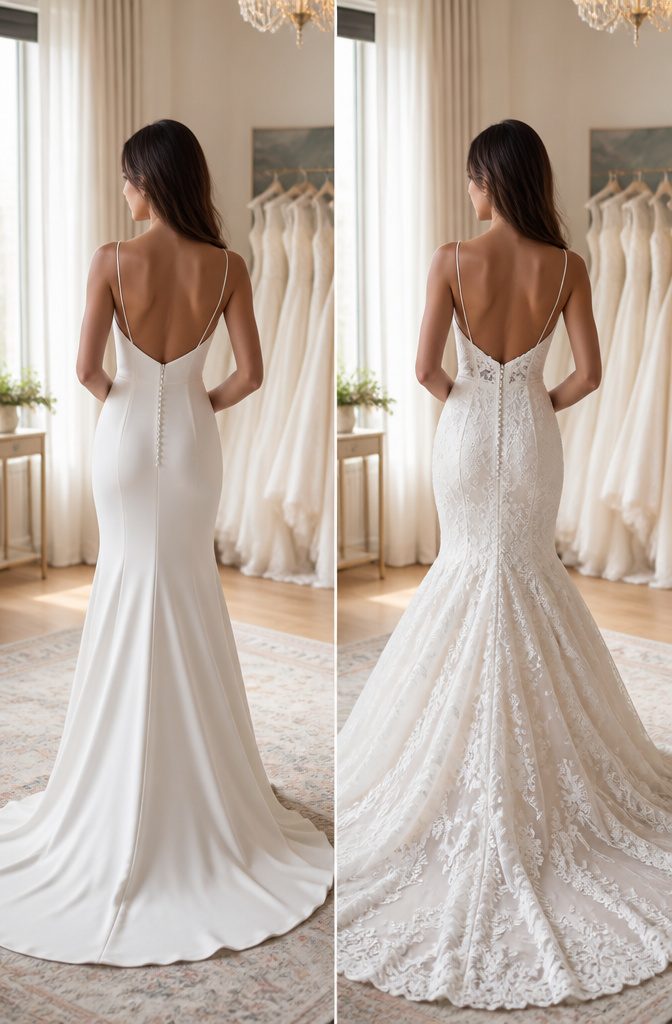
Morilee’s fitted silhouettes split into two camps that sound similar until you try them on. Fit and flare keeps the line snug through the hip, then relaxes somewhere below mid-thigh so you can sit and walk without thinking about the dress. The mermaid shape stays locked to the body longer, typically to the knee or lower, before it kicks out. That extra inches of fitted skirt changes everything about how you move and what undergarments you need.
In the five-shape Morilee lineup, these two sit opposite the freer A-line and ball gown cuts. The fit-and-flare forgives a bit more; the mermaid demands the shape you have that day, not the shape you planned for. I’ve watched brides light up at the drama of a mermaid flare, then realize 90 minutes into the appointment that they never stopped adjusting. The fit-and-flare eases that tension earlier in the leg.
Both cuts love structure, so boning and seam placement matter more than they do in looser shapes. Ask to see the same bodice treatment across both silhouettes if your heart is divided. The difference in real movement beats any mirror pose.

ELEGANT DESIGN: Stunning A-line wedding dress featuring a sweetheart neckline and beautifully detailed bodice with intricate embellishments

TIPS: Click the 'Size Chart' button, where you can find detailed size information. Always refer to the product’s size chart (not just age) and compare measurements to a well-fitting garment your child already owns (not body measurements). If unsure: size down for under 8Y or strictly follow the size chart for 8Y+; Girls holiday dress, girls pageant dress, A-line flower girls dresses, girls party dress, girls formal dress, pageant dresses for girls, jr bridesmaid dresses, girls elegant dresses
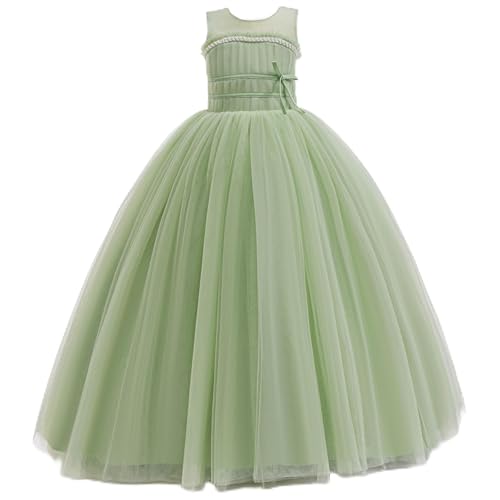
Elegant Princess Tulle Gown: This A-line flower girl dress boasts airy, flowy tulle fabric, delicate pearl trim, and a sweet side bow—transforming your little one into an elegant wedding flower girl or pageant princess for any formal occasion.
Sheath and Less Structured Options
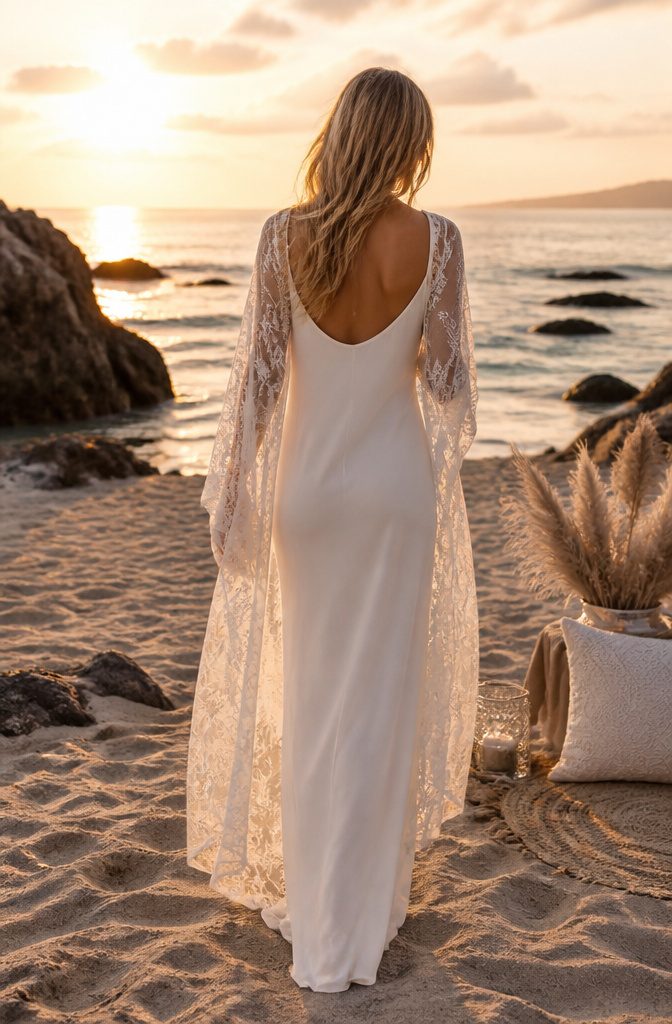
A sheath Morilee wedding dress drops straight from shoulder or bust to hem with almost no seaming, which puts it at the most casual end of the five silhouettes. Where a ball gown builds architecture and a mermaid sculpts the body, the sheath simply hangs and moves. That lack of structure makes it the shape most brides underestimate. Fabric choice becomes everything, because there is no skirt volume to hide a cheap drape or a clingy cut.
The formality gap matters when you are shopping. A satin sheath in a candlelit chapel can look underdressed next to an A-line in the same fabric, while a lace sheath on a beach reads intentional and free. Morilee tends to use this silhouette for their destination and outdoor lines, which tells you where the designers expect it to live.
What convinced me, reading through the collections, is how much the sheath depends on undergarments. Without boning or crinoline to do the work, the line of your body underneath shows through. Brides who want this shape should budget for a truly fitted foundation layer, not just the dress itself.

MATERIAL : 95%Polyester, 5%Spandex. Women's dresses is made from a lightweight and skin-touch, good quality stretchy fabric which don't wrinkle with a nice drape to it.

[1950s dress for women vintage] This vintage cocktail dress features with cap sleeve, sweetheart neckline, back center zipper, empire waist, knee length.

Style: Elegant Casual Party A Line Dress
Neckline Varieties
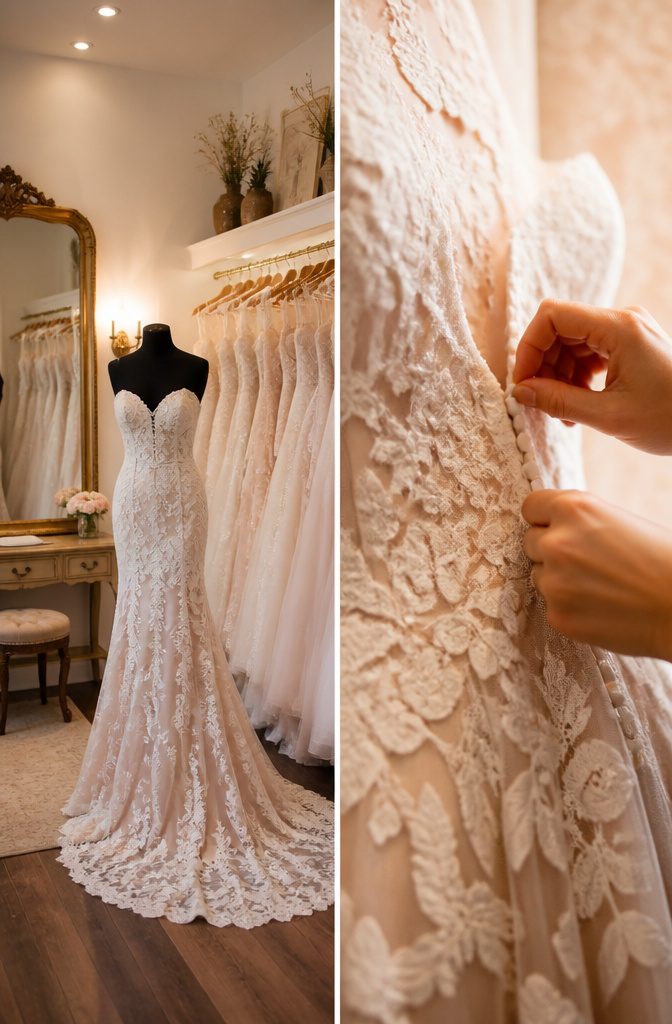
A sweetheart neckline sits in two clean curves across the bust, leaving the collarbones and shoulders open. Morilee uses this shape on a lot of their ball gowns because it frames the face without competing with heavy skirts below. The effect reads romantic and a little traditional, though the strapless cut still lets you move freely through the arms.
V-necks do something different. The downward point elongates the torso, which helps if you want to look taller or break up a fuller midsection. Morilee often deepens the V on their fit-and-flare styles so the line continues the eye toward the waist seam. Off-the-shoulder straps sit lower, exposing the shoulder line itself; this works well when the bride wants coverage that still feels bare. The trade is mobility: raising your arms fully can tug the whole bodice.
Higher necklines, the illusion styles and bateau cuts, show up in Morilee’s more covered collections. These read formal, sometimes vintage, and they shift attention upward to the face rather than the decolletage. What convinced me, looking through their range, is how much the neckline sets the mood before you even notice lace or beading. Pick it first, then let the rest follow.

Features: Satin wedding dress for bride, mermaid bridal dresses with cathedral train, beading appliques wedding gown, off the shoulder bride dresses, strapless bridal ball gown, sequin, crystal, rhinestone, sweetheart, laces up back, v-neck, wedding photography, bulit-in bra.

Size Attention: Please refer to the size chart on the pic before ordering

Unique Design:Fully embellished with shimmering sequins and intricate beading, this plus-size evening gown reflects light beautifully for a glamorous, high-end look.Chic square neckline with delicate spaghetti straps enhances the collarbone and creates a modern, elegant silhouette perfect for formal occasions.Fitted through the hips with a dramatic mermaid hem, highlighting curves while offering a stunning, red-carpet-worthy finish.
Sleeve Types
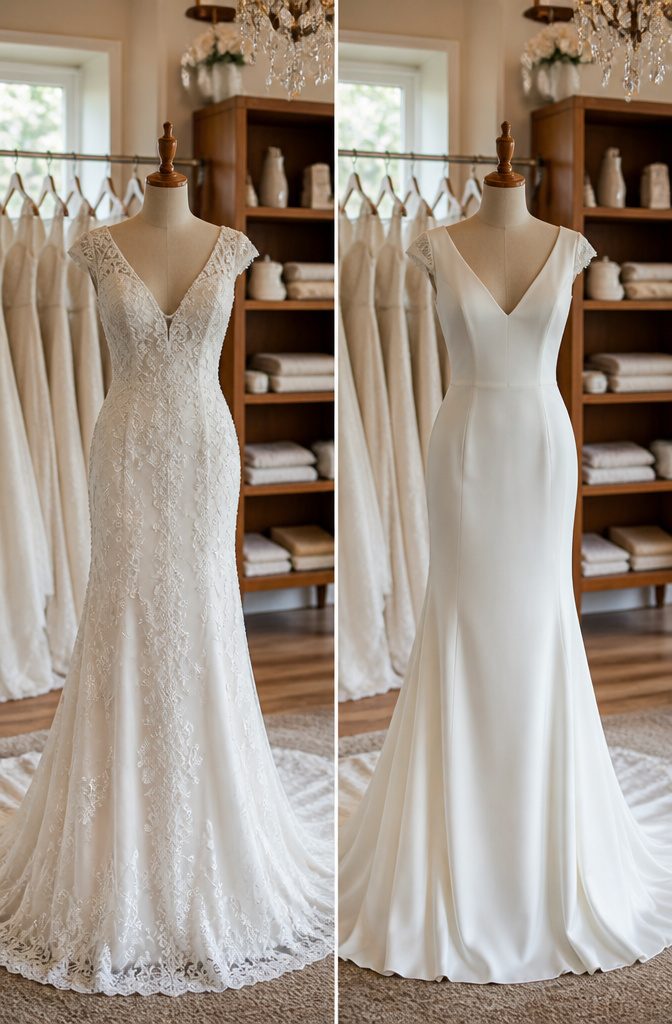
Sleeveless Morilee gowns carry most of the line, and for good reason. A bare arm photographs cleanly, stays cool under summer tent vinyl or chapel radiators alike, and leaves neckline and silhouette to do the talking. The mistake is assuming sleeveless means one look; the armscye shape, how high it rides toward the armpit, changes whether you can lift your arms for the first dance without tugging fabric.
Long sleeves read formal almost automatically, but the fabric weight matters more than the length itself. A fitted crepe sleeve through October works; the same coverage in dense lace during an August barn reception turns into a heat trap you cannot remove. Cap sleeves split the difference and often satisfy a church requirement without adding real warmth, though they can pinch at the front armhole if your shoulders are broad. Three-quarter lengths, the occasional flutter or bishop variation, these tend to appear in specific Morilee collections rather than across the board, so finding your sleeve means narrowing which line to shop first.
Personal comfort is the piece brides underrate during a twenty-minute fitting. You will wear this for hours of hugging, eating, reaching. Sleeves that stay put when you lift a champagne glass are worth more than sleeves that look perfect with your arms at your sides.

Designed to complement all body types, this bridal gown features a tailored bodice and flowing skirt that enhances your natural curves while providing gentle support. With a variety of styles including A-line, ball gown, and sheath, you can choose the perfect silhouette to highlight your best features.

☘Fabric ☘Polyester cowl neck dresses is made of 97%Polyester, soft & draped, More friendly to skin, Bring you silky touching experience.cool fabric is very suitable for summer, making this satin split dress more comfortable and stylish to wear

light blue cocktail dress t shirt dress with pockets plus size burgundy dress black funeral dress long fall dress womens summer beach dresses sexy white dress women party orange dresses white denim dress homecoming dresses pink black long sleeve dress formal black dresses for women cocktail mocha brown dress red white blue dress women white dress women short womens semi formal wedding guest dress t-shirt dress for women dress long sleeve for women green midi dress for women midi dresses for
What Morilee Dresses Cost
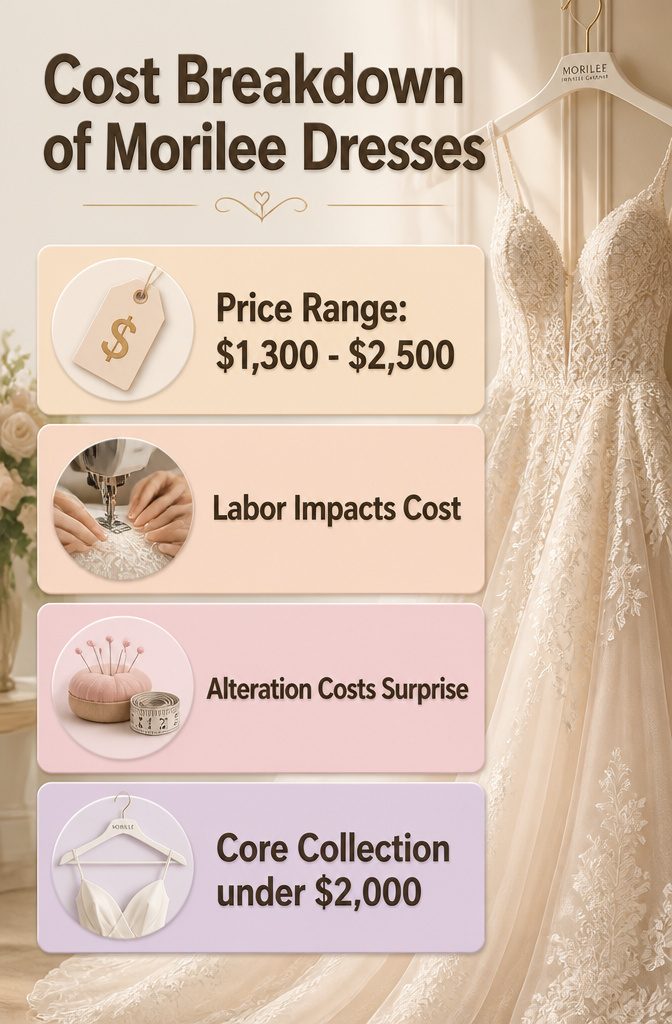
Most Morilee wedding dresses fall between $1,300 and $2,500, with some styles pushing toward $3,000. That spread lines up with what you’d expect from a mid-to-upper range designer: the simpler silhouettes in clean satin or lightweight chiffon sit at the lower end, while the heavily beaded gowns, the ones with layered lace appliqué or hand-sewn crystal work, climb toward that ceiling.
What separates a $1,400 gown from one nearing $2,800 tends to be labor hours, not just fabric quality. A dress with dense embroidery across the bodice and train takes more time at the production stage than a sleek crepe column with minimal seaming. Construction details matter too: built-in corsetry, multiple skirt layers, or specialty draping all add cost before the embellishments even enter the picture.
From what I’ve seen pricing out appointments with brides, the sticker shock usually hits on alterations, not the dress itself. Morilee gowns run fairly true to listed prices between authorized retailers, so the variation comes from what you choose, not where you shop. If your budget tops out around $2,000, you’ll find solid options in the core collection; the statement pieces with full sparkle or cathedral-length drama are where you cross into that $2,500–$3,000 band.

Size: Please check Our Size Chart before you placed the order.

Built-In Support & Streamlined Silhouette: This cocktail dresses for womnen features internal contouring panels that offer gentle waist definition, creating a smooth silhouette. The all-in-one design provides the seamless look of a shapewear dress without the need for extra undergarments

Lace, Satin, Tulle, and What the Beading Adds
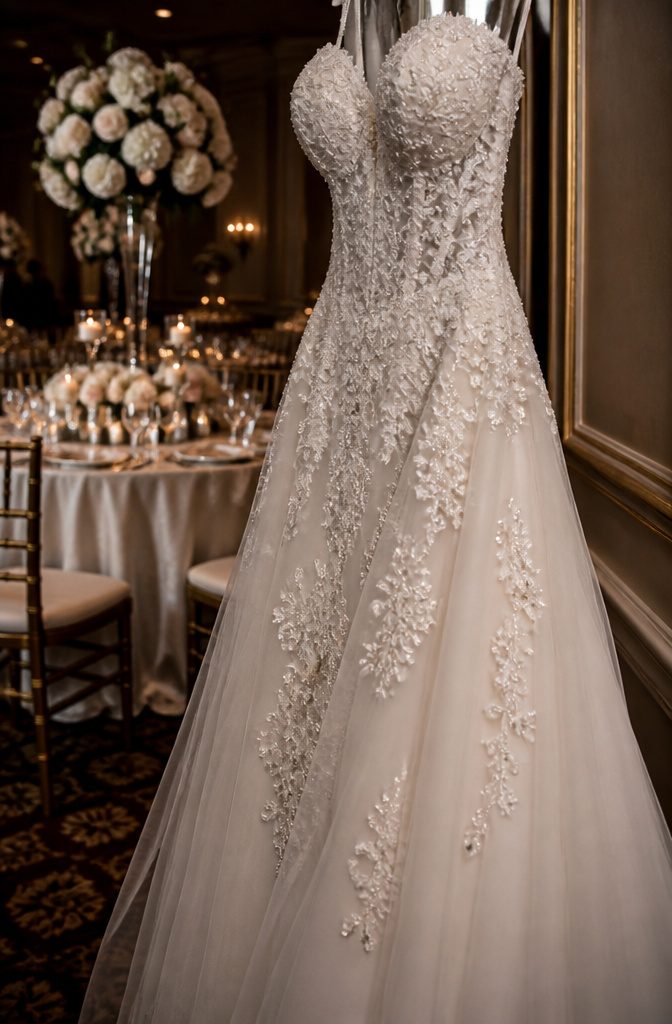
Lace on a Morilee gown tends to arrive already layered over a solid base, which means the romantic look is there without the scratch against bare shoulders that cheaper constructions leave you with. The brand leans into that pairing: open floral patterns over nude or ivory underlay, so the skin reads as part of the design. Satin surfaces run heavier, hold structure through the bodice, and cost more to cut well because any flaw in the drape shows immediately. Tulle builds volume without the same weight, though the difference between a stiff tulle that stands off the body and one that collapses matters more than most brides notice until they try both on.
Beading and embroidery are where Morilee’s pricing steps up in visible increments. Hand-finished crystal or pearlwork adds hours that machine application skips, and the weight changes how the skirt moves. A fully beaded bodice pulls downward; tulle skirts with scattered embroidery stay lighter for dancing. The beading is the detail that photographs carry across a dim reception hall, which is why so many of their signature styles build the drama there rather than in the silhouette alone. The romantic quality reviewers single out comes from that combination: lace that reads as soft, not costume, plus light-catching elements that register on camera without reading as costume jewelry.

This Regular Floor Length Elegant Black Dress for your Little Baby Girl to Ware Beautifully and Comfortably on Birthday, Wedding, First Communion, Ceremony, Baptism, Pageant and Holiday Parties.

❤Dear, please choose Kumeng and KWBCM,Kumeng and KWBCM has FBA stock,very fast,100% Polyester,Main material: Spandex+Organza. Two layers and three tiered organza with plenty of gathers to hold the dress's shape,plus one Layer of lining to prevent scratching gentle sensitive skin

Instructions for the Wedding Gown Photo Montage app:
Finding a Store and Booking the Appointment
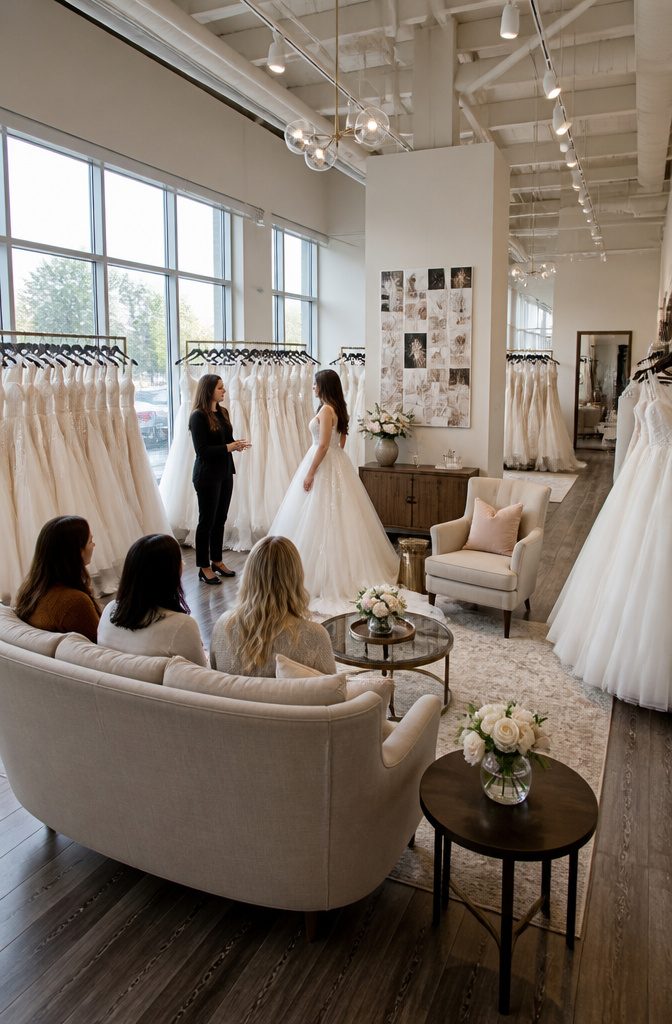
Most bridal shops that carry Morilee keep a rotating selection in-store, but not every style is available to try on the day you walk in. The stock changes with the season and with what brides before you have ordered, so the dress you spotted online might be hanging in a back room at another location or still at the warehouse.
Booking an appointment changes what you see. A consultant can pull gowns that match your silhouette and size, and if the store does not have the specific Morilee style in-house, they can special-order it in your size. That matters because Morilee cuts run from 0 through 34 in most lines, and the sample on the rack is rarely the sample that fits you. The same goes for the Julietta by Morilee collection or the Grace by Morilee line, where the proportions shift with the sizing.
I have watched brides assume a special order means months of waiting, but in practice the timeline depends on the gown and the season. What is consistent is that you will not even reach the special-order conversation without the appointment first. The shops that do take walk-ins still prioritize scheduled brides for the fitting rooms and the consultant’s full attention. If you are serious about Morilee, the appointment is not a formality. It is the step that gets you access to the full catalog instead of whatever happens to be on the rack that Tuesday.

midi length

Cocktail Dresses Women: Made from delicate lace fabric, the dress exudes a textured and luxurious feel; Intricate lace pattern overlay,with soft lining, giving it a sophisticated and elegant appearance.
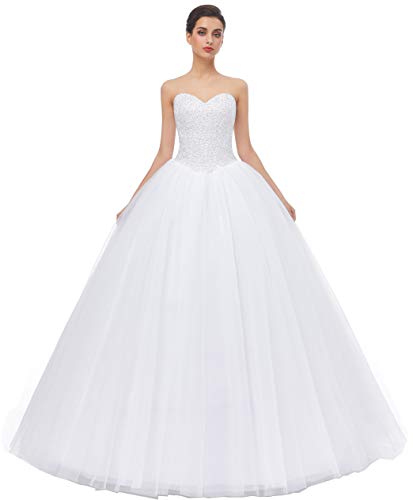
DESIGN: Elegant strapless ball gown silhouette featuring a romantic sweetheart neckline and voluminous tulle skirt perfect for a fairytale wedding
Frequently Asked Questions
What are the price ranges for Morilee wedding dresses?
Most Morilee wedding dresses run between $1,300 and $2,500, with some heavily beaded or crystal-covered styles reaching toward $3,000. The simpler satin or chiffon silhouettes sit at the lower end, while labor-intensive embroidery and built-in corsetry push prices higher. Alterations often surprise brides more than the gown itself, so factor that into the total budget.
What materials are used in Morilee wedding dresses?
Morilee uses lace layered over solid underlay, satin for structure through the bodice, and tulle to build skirt volume without adding weight. The lace avoids the scratch cheaper constructions leave against bare skin, while satin shows flaws easily so the cut has to be precise. Beading, crystal, and pearlwork are hand-finished on higher-priced styles and change how the skirt moves and photographs.
Where can I find Morilee wedding dresses to try on?
Authorized bridal retailers carry rotating Morilee stock, though not every style hangs in every store at every moment. Booking an appointment lets a consultant pull gowns in your size and opens the special-order path for styles they do not currently have on hand. Walk-ins get less attention and a narrower view of what is available, so the appointment is the practical first step.