These 8 ideas run from hay bales in the backyard to a full food truck dinner, and the one that fits your wedding depends on whether your guest list is still open or already cut.
A single food truck feeding sixty guests in shifts, or sixteen people gathered around a backyard bonfire: the same post covers both because the decision is size, not style.
1. Backyard Wedding
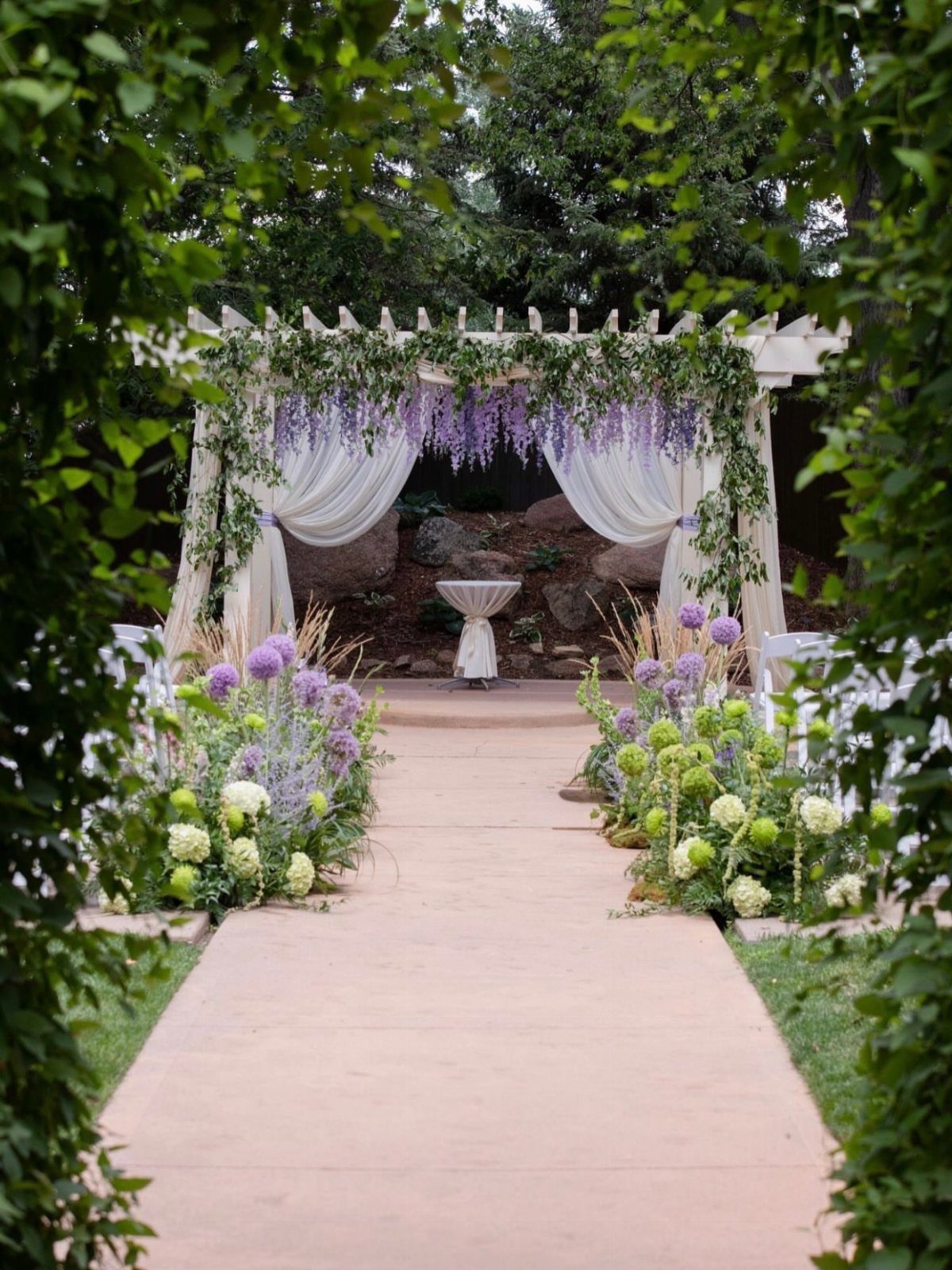
A backyard wedding shifts every rental onto your list.
Chairs, plates, the tent itself, even the bathroom situation: none of it comes with the space. For 50 to 70 guests, the couples who keep it under $10,000 plan the rentals first and build the rest around what is left.
The savings are real, but they arrive only when you treat the yard as an empty room rather than a finished venue.
I have seen the budget creep; it usually comes from treating infrastructure as decoration and finding too late that the pretty parts ate the necessary ones.
2. Signature Drinks
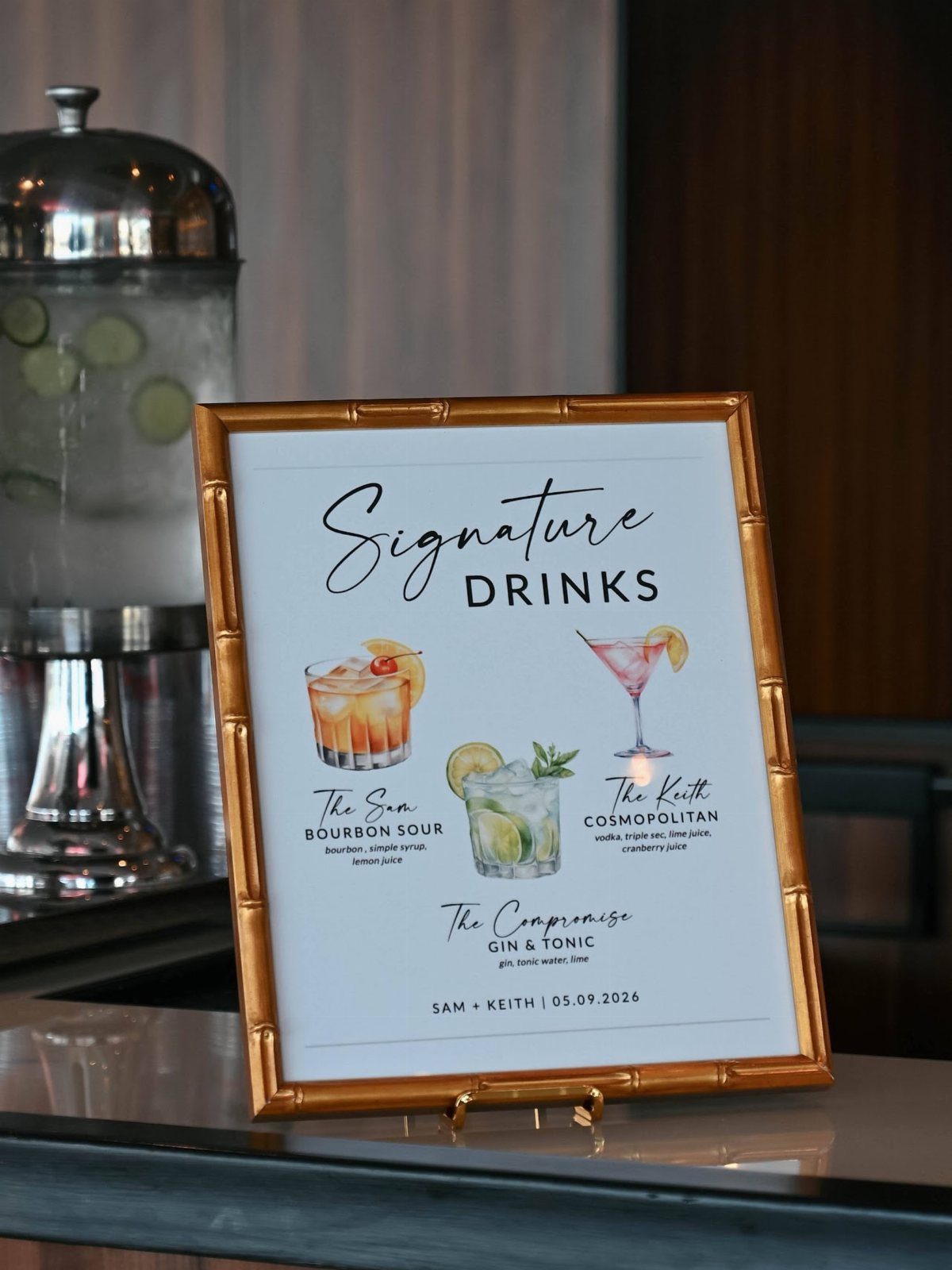
2 drinks with names that mean something to you replace a full open bar with a story guests remember.
One couple I photographed used a bourbon sour they mixed on their third date and a gin and tonic from the night they got engaged.
The bar needs only those 2 recipes in batch, plus beer and wine, and the framed menu becomes part of the decor.
Warm versions work for fall: mulled wine, hot chocolate with Bailey’s, spiked cider. The cost drops by half or more against standard bar service, and the line moves faster when the bartender repeats the same 2 builds.
3. Food Trucks
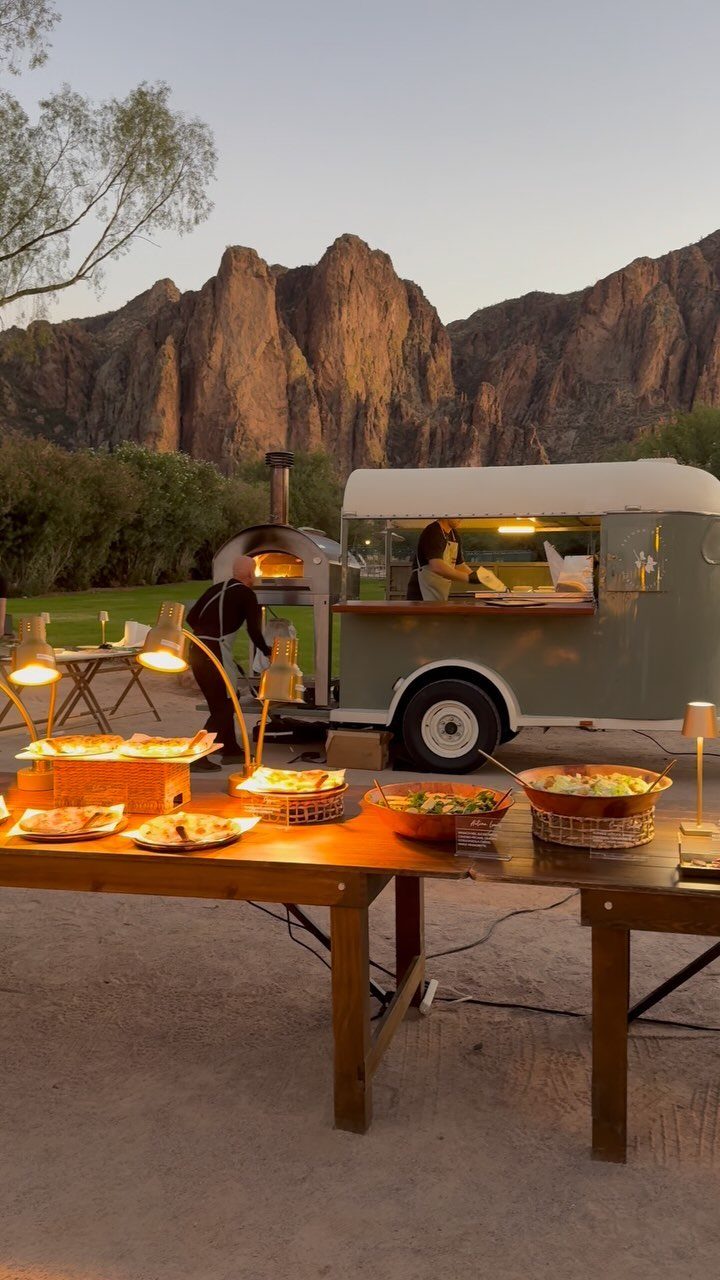
One food truck for 60 guests runs $1,200 to $2,200, and the truck itself becomes the kitchen, the power source, and part of the atmosphere.
Wood-fired pizza, tacos, BBQ, Korean fusion, or Cuban sandwiches all work; the truck handles its own setup and service. Timing is what makes or breaks this.
A single truck serves sequentially, not simultaneously, so guests eat in shifts or you accept a longer window. I have photographed weddings where the pizza truck was the most commented-on detail, and others where the wait stretched past an hour.
Budget for a second truck or a passed appetizer if your crowd is impatient or the ceremony ran long.
4. Candles and String Lights
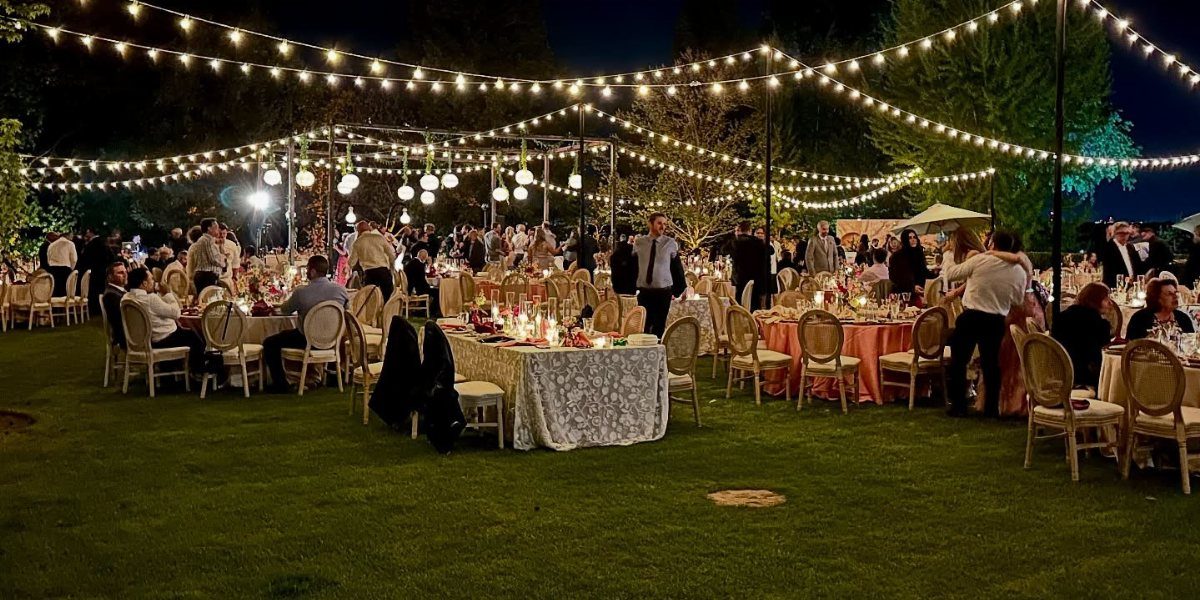
Warm white string lights, not the blue-white ones, photograph as actual magic. $100 to $200 of them, run through trees or across a tent ceiling, outperforms $500 of any other decor for atmosphere after dark.
Candles on tables finish what the overhead lights start. The combination works in backyards, barns, or any space where the ceiling is high or absent; in a finished venue it may compete with existing lighting rather than replace it.
I reach for this most often when the budget for florals is tight and the event runs into evening, which is most weddings I shoot from September through May.
5. Micro Wedding
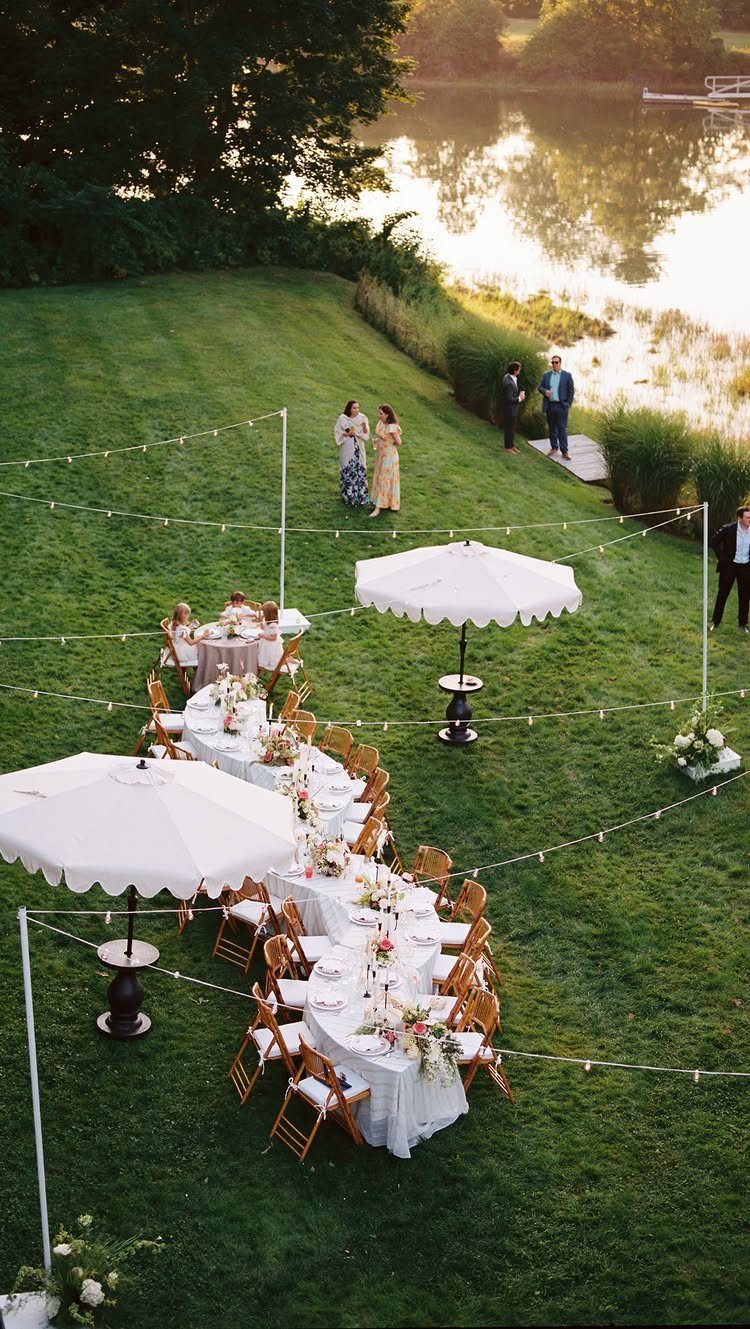
Thirty guests or fewer lets you hold the ceremony somewhere a hundred could not reach.
One couple I photographed hiked to a lake in the White Mountains with sixteen people, married on a flat rock, and ate at a single curved table where everyone spoke to everyone.
The cost drops, but the purpose is not savings; it is permission to design a day that would not scale. A micro wedding trades the performance of a large event for the intimacy of a dinner party with vows.
The guest list is the hardest part, and the decision belongs early in planning, before deposits lock you into a space sized for more.
6. Bonfire and S’mores Bar
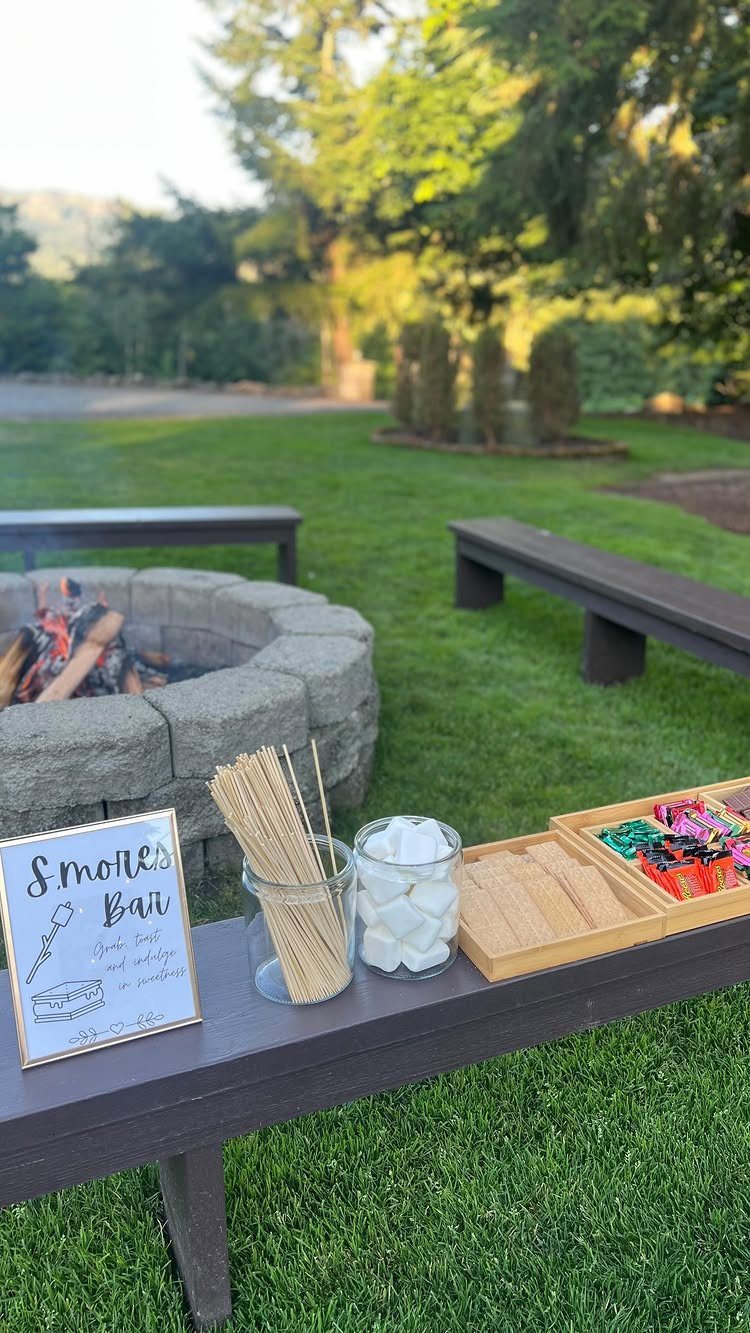
A fire pit with benches, a wooden table laid with marshmallows, skewers, graham crackers, and chocolate bars, and a small framed sign reading "S’mores Bar" gives guests a place to drift after dinner.
Add blankets if the night cools. The ingredients cost little; the activity and the dessert are the same thing.
This holds guests longer than the dance floor at weddings where both were offered. It suits any outdoor venue that allows open flame, and the time to check that allowance is before you book, not after you buy the chocolate.
7. Mix and Match Outfits
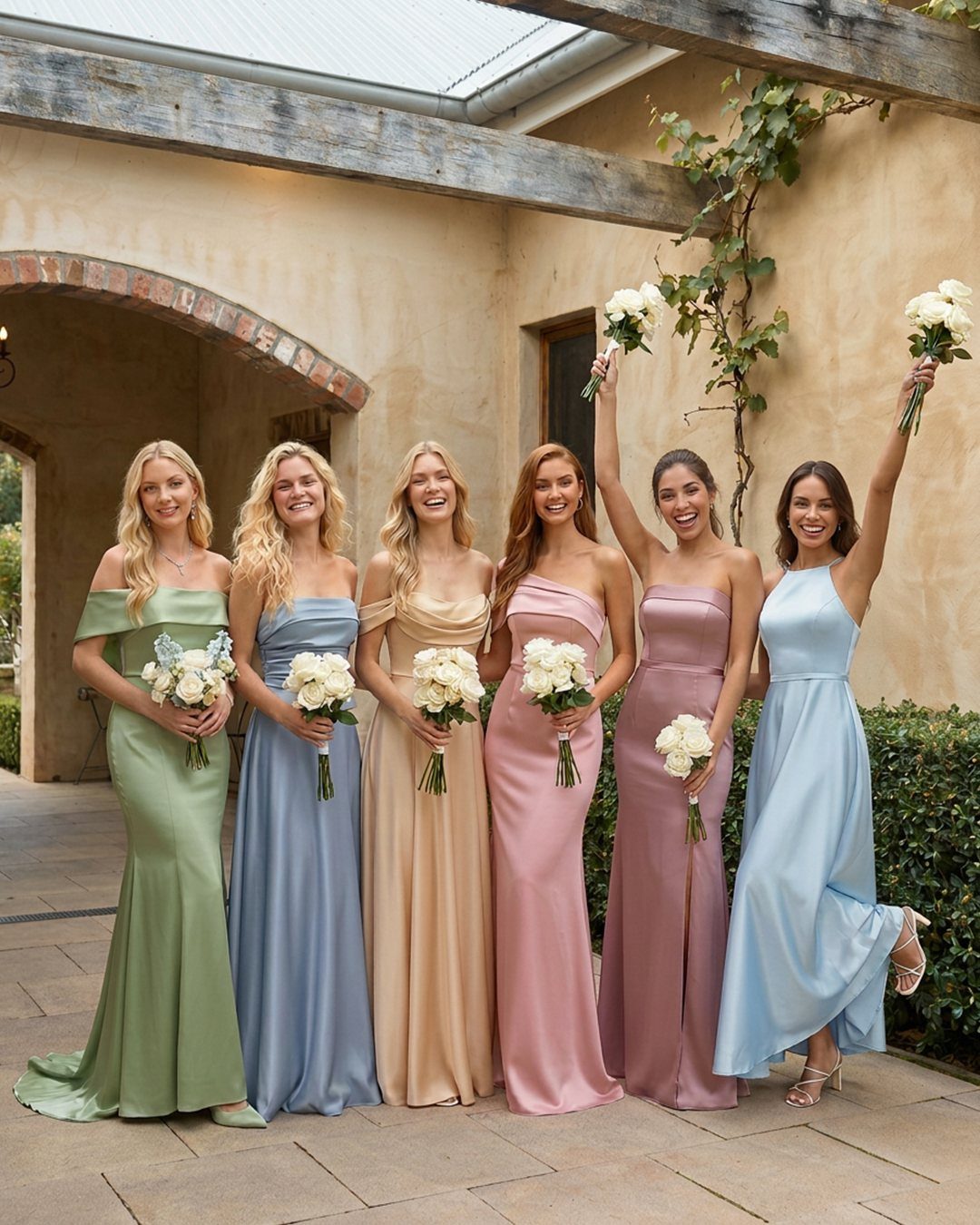
Letting each bridesmaid choose her own dress in satin, velvet, or silk means no one pays for a color she cannot wear again.
The group still reads as unified when you limit the palette, soft pastels like blush, lavender, or sage for spring.
Giving bridesmaids three colors and two fabrics to sort among themselves keeps the look unified without forcing everyone into the same dress.
The groom can join in with leather suspenders or a boutonniere that picks up one of the dress tones. Ordering separately means staggered arrivals and possible returns, so build in extra lead time beyond what one bulk order would need.
8. Hay Bale Bench Seating
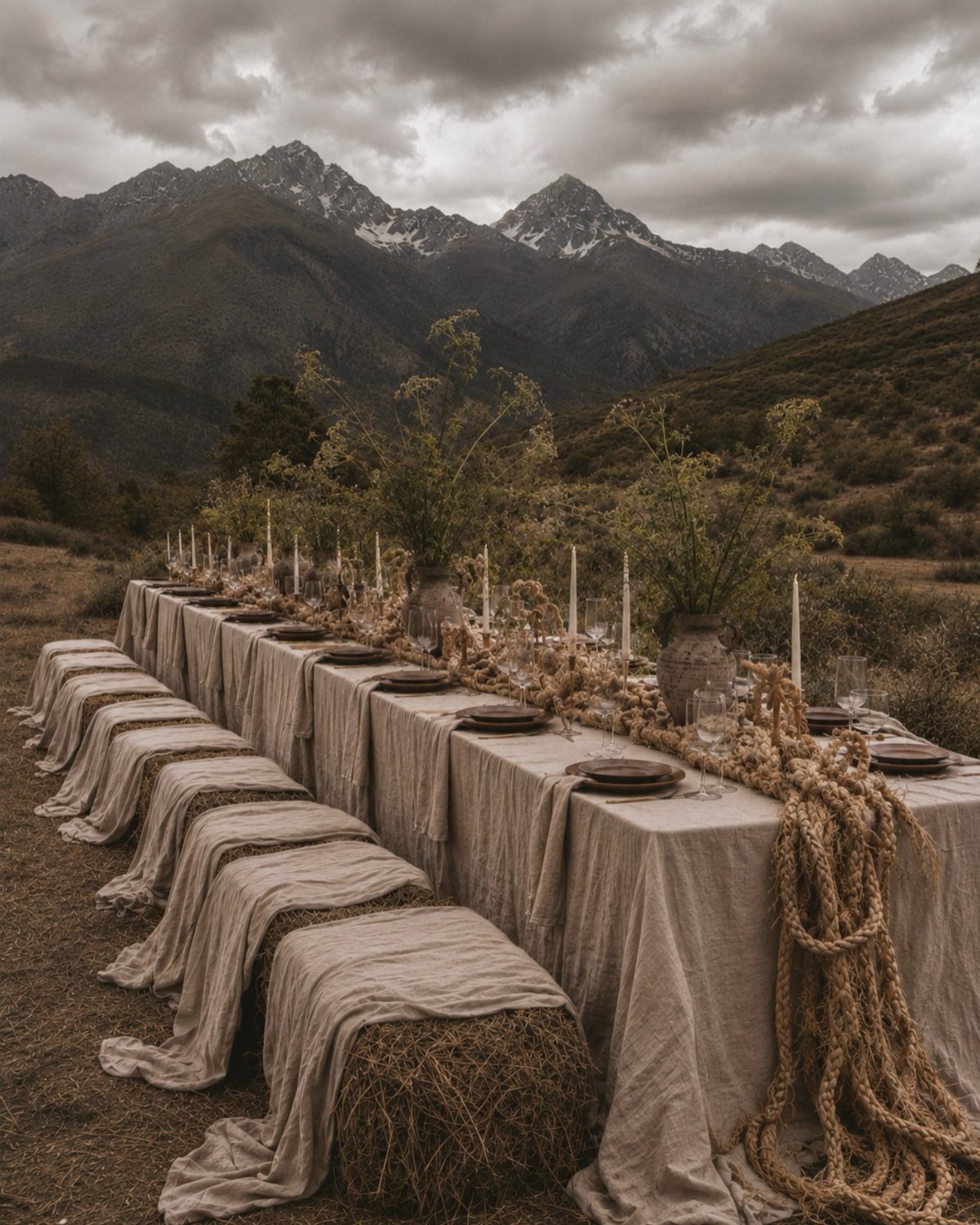
Hay bales wrapped in linen or canvas and set along a farm table give guests a place to sit that costs less than half chair rental.
The fabric matters; bare straw stains clothing and scratches bare legs, so cover every surface that touches a guest. Check the bale source for freshness and dryness, moldy or damp bales trigger allergies and smell.
This works where the ground is firm and level; on slope or soft turf the benches shift and the table ends up at odd angles.
Hay bales read rustic anywhere with open land; the surrounding scenery matters less than the seating itself.
Frequently Asked Questions
How to do a cheap easy wedding?
Rentals eat the budget fastest at a backyard wedding: lock in tables, chairs, and tent costs before you spend on anything else.
A yard under $10,000 works best for 50 to 70 guests when you stop treating it like a venue and start treating it like a blank space you furnish yourself.
The danger is letting the pretty parts eat the necessary ones: infrastructure like chairs, plates, tent, and bathrooms must come before decoration.
What is the 50/20/30 rule for weddings?
The 50/20/30 rule splits money three ways: half to the big stuff like venue and food, 20 percent to savings, and 30 percent to whatever makes the day feel like yours.
The budgeting approach described instead involves planning rentals first in a backyard wedding, or choosing signature drinks and food trucks to cut specific line items by half or more.