
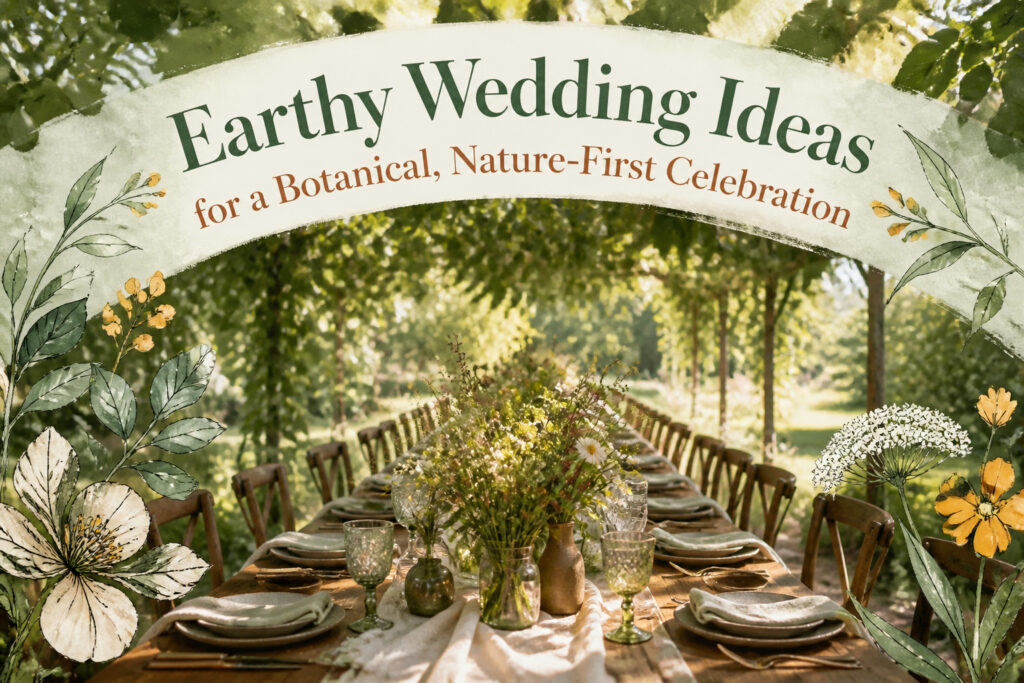
An earthy wedding aesthetic runs from eighty dollars in smilax vine to two thousand in custom illustration, and the only thing that decides your line is whether you care more about the photograph or the memory guests take home. The cost is rarely the flowers; it is the labor to make them look unarranged. Seed paper that sprouts wildflowers after the invitation arrives costs less than letterpress but signals more. The mistake is assuming nature does the work for you.
1. Enchanting Invitations

A wedding invitation arrives in the mail weeks before the day itself, and that first impression either whispers "this will be different" or it doesn’t. For an earthy wedding aesthetic, the paper itself does half the work. Recycled kraft paper, seed paper, or handmade stock carries a weight and texture that standard cardstock never matches. Layer in botanical illustrations, pressed flowers, or watercolor leaves, and guests know before they finish reading that the celebration lives outside the ballroom.
Typography matters more than couples expect. Handwritten or calligraphy-style fonts carry the organic feel without clutter; minimal, elegant lettering keeps the eye on the natural motifs rather than fighting them. Twine, burlap, or lace layered into the design adds dimension you can feel with a thumb.
Digital invitations are one eco-friendly option to reduce environmental impact, and they have improved far past the flat e-cards of a decade ago. Modern designs carry the same botanical artwork and custom typography, and the environmental savings extend beyond the paper itself to the shipping and transport that paper requires. The tradeoff is tactile presence, which matters for some guest lists more than others.
The invitation sets the tone, but it also sets the standard. Guests who hold a seed-paper card that will later sprout wildflowers understand exactly what kind of day they are being asked to attend.

Unique handmade plantable envelopes featuring a mixture of flower seeds (see description for details)

Print at home invitation kits - 4.5" x 6" inch flat panel style

Package Include: you will receive 50 pieces handmade papers are made with various flower petals, including roses, pink zinnia, blue cornflowers, purple zinnia, and chrysanthemums, with 10 pieces of each design, it satisfies a wide range of preferences
2. Ceremony in Nature

An earthy wedding aesthetic starts with where you actually say the vows. Botanical gardens give you curated blooms without the planting, rustic farms bring weathered barn wood and open pasture, and forest clearings trade manicured beds for moss underfoot and branches overhead. Each reads as nature-first, but the experience shifts: gardens keep guests on level paths, farm ceremonies might mean a walk from gravel parking, and forest sites can narrow your guest list to the people willing to hike in dress shoes.
Weather contingency is the detail that separates a ceremony from a story about a ceremony. Farms and gardens usually have a barn or pavilion to duck into; forest clearings rarely do, so a tent becomes non-negotiable. Accessibility shapes your guest list more than the invitation does. I have seen couples assume everyone they love can manage uneven ground, then field panicked calls about wheelchairs and stilettos the week before. Check the terrain yourself, in the shoes you are asking guests to wear, and book the shuttle or the boardwalk if the site lacks it.

DECORATIVE NATURAL TWINE: Each spool features genuine, rustic jute twine adorned with a charming artificial green leaf. This combination brings a touch of nature's simplicity and elegance to any project, making your gifts and crafts visually stunning

NATURAL JUTE - Made of jute fiber, this twine string is biodegradable, soft and easy to work with. Whether you're tying gift tags on package or wrapping the twine around jars to add a rustic touch, the natural twine is an easy go-to

The information below is per-pack only
3. Floral Arch

A floral arch anchors the ceremony space without fighting the setting around it. Wildflowers, eucalyptus, and whatever is growing that month build the arrangement outward from a simple wooden frame, so the structure looks like it was gathered rather than installed. Eucalyptus garlands drape well and hold up through long days, which matters more than it sounds when the ceremony runs late. The hand-tied, slightly untamed shape of these arrangements reads as intentional, not messy, especially against raw wood or weathered metal supports. Seasonal blooms keep the palette from turning generic; a July arch and an October arch should look like they belong to different weddings. Mason jars tucked into the base or hung from lower branches add points of light without requiring a lighting designer. No fixed dimensions exist for these builds, so the arch scales to the site rather than forcing the site to accommodate a rental standard.
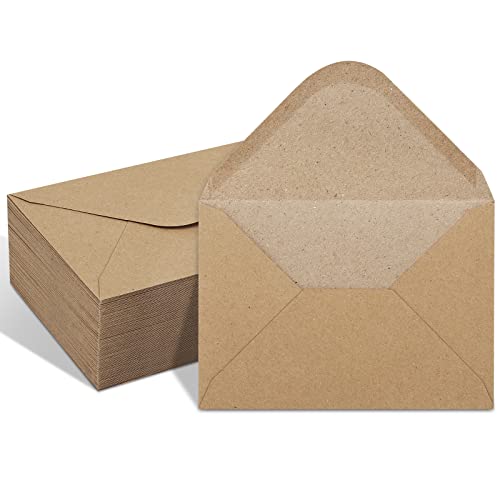
Kraft invitation envelopes: These 4x6 envelopes feature classic Kraft colors; the A4 V-flap envelopes are perfect for your social and invitation purposes

More Value for Money: Everyone agrees a set of 100 Kraft Brown A2 Envelopes is great value. But when they’re shrink wrapped and become tattered and lost over time, that value obviously diminishes. But not Sweetzer & Orange A2 Envelopes! These thick self seal invitation envelopes come nestled in their own sturdy box. The ‘value for money’ you expect, is now the value you get – right to the last one!

【✅ 120gsm Premium Weight – No Bleed-Through】Thicker than standard 100gsm envelopes. The heavyweight stock prevents ink from bleeding through when addressing with gel pens, fountain pens, or markers—keeping your invitations crisp and professional.
4. Botanical Crowns

Fresh flowers pinned into the hair read as an afterthought. A true botanical crown, wired or woven so the stems disappear into greenery, sits like it grew there. I have seen brides spend two hundred dollars on a crown that wilted by cocktail hour because the florist used hydrangea in July heat, and I have seen a sixty-dollar crown of rosemary and spray roses last the whole weekend because the maker knew to leave the woody herbs as a base.
The crown works best when the rest of the look steps back. Natural fabrics, linen or silk or a chiffon that moves like water, carry the same unforced feeling. Relaxed silhouettes, an A-line or a slip cut that does not fight the body, let the crown be the gesture instead of competing with it. Jewelry stays minimal: a thin chain, a single pearl stud, nothing that catches light the way petals do. Bridesmaids can wear smaller versions, matching in tone rather than identical in bloom, so the group looks gathered rather than uniform.
Grooms and groomsmen fit in through the boutonniere. A sprig of the same rosemary or lavender from the crown ties the wedding party together without anyone wearing a matching tie.

Embedded with wildflower seeds

Use the rough side of the germination paper! Otherwise, water absorption will be affected. This is newsprint specially for microgreens, clean and hygienic, non-polluting.Do not fully cover the bottom of the tray. The paper should be slightly smaller than the tray base, so excess water can drain easily and avoid standing water that causes seed rot.

Made from recycled Cotton Waste
5. Bridesmaids in Leafy Prints

Solid earthy wedding aesthetic color choices for bridesmaid dresses start with terracotta, sage green, and burnt sienna as your foundation. These tones carry warmth without looking forced, and they let you build mismatched groups that still feel intentional. One approach that keeps the palette grounded: pair rust or olive gowns with amber accents through sashes or jewelry, then soften the lineup with ivory or sand-toned shoes so the overall effect stays harmonious rather than busy.
Leafy prints work best when the scale matches the venue. Large botanical patterns read well in open outdoor spaces where guests see the bridal party from a distance; smaller, denser florals suit intimate garden ceremonies. I have seen too many weddings where the print size fought the setting, and the photos flatten everything into visual noise.
The real test is cohesion without uniformity. Let each bridesmaid choose her dress cut within the same fabric and palette, or keep the silhouettes matching and vary the prints. Either path works; mixing both at once rarely does.

Wildflower Seed Paper Cardstock
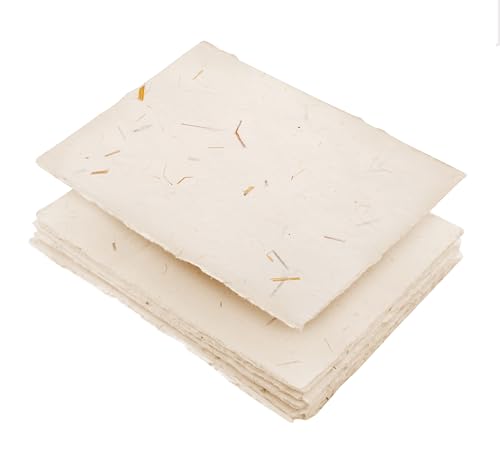
[Artisan Crafted]: Each sheet in this 50-pack is handmade one at a time by skilled artisans using techniques passed down since 14th-century India. Sun-dried and cold-pressed, this 150 GSM cotton paper is externally treated with a plant-based sizing solution—making it beautifully suited for watercolor, acrylics, ink, charcoal, and colored pencils, as well as writing, calligraphy, and printing.

[Artisan Crafted]: Each sheet in this 50-pack is handmade one at a time by skilled artisans using techniques passed down since 14th-century India. Sun-dried and cold-pressed, this 150 GSM cotton paper is externally treated with a plant-based sizing solution—making it beautifully suited for watercolor, acrylics, ink, charcoal, and colored pencils, as well as writing, calligraphy, and printing.
6. Natural Wood Seating Cards

Thin slices of wood turned into seating cards hit that sweet spot between place marker and keepsake. Engraving gives you a polished, almost formal look, while hand-painted names lean looser and more rustic. Both sit naturally against linen, moss, or bare tables, and guests tend to pocket them at the end of the night.
Sourcing matters if sustainability is part of your earthy wedding aesthetic. Sustainable wood suppliers carry pre-cut rounds in whatever diameter you need, or you can work with fallen branches for something more personal. The bark edge, the grain variation, the slight warp from drying: those imperfections are exactly what keeps the whole thing from looking like a craft-store kit.
Wood slices pair with stone, foliage, or raw linen without fighting for attention. That quiet compatibility is what makes them work. Paper cards would read as an interruption; these read as part of the landscape you’re already building.


PREMIUM QUALITY: Each burlap leaf ribbon consists of biodegradable jute twine and artificial vine to create a natural environment

[LUXURY 300GSM THICKNESS] Premium 14pt heavyweight paper stands upright on its own. The smooth, acid-free finish resists ink bleed-through, making it perfect for most everyday pens and markers.
7. Plantable Wedding Favors

Plantable wedding favors fold naturally into an earthy wedding aesthetic because they keep giving after the guests go home. Seed packets cost little, tuck into any table setting, and let people grow wildflowers or herbs from the same celebration. Small potted succulents or seedlings work too, though they need a sturdier container and a ride home that won’t tip over in the car.
This idea pairs cleanly with other sustainable choices. Locally sourced flowers cut the carbon footprint of blooms trucked across states. Biodegradable confetti, whether dried petals or hole-punched leaves, disappears into the ground instead of the landfill. The best favors are ones guests actually take, and plants beat trinkets that gather dust.
Paper choices matter if you go the seed packet route. Standard printing paper won’t plant; you need seed-embedded stock that guests can soak and sow. Some couples skip the envelope entirely and press seeds into handmade paper place cards, which doubles as a favor and a seat marker. Either way, label what the seeds are. Guests who receive a mystery packet often toss it in a drawer and forget it, while someone handed a packet of lavender or zinnia knows exactly where in the garden it belongs.

MORE VALUE FOR MONEY: Everyone agrees a set of 100 White 5x7 Envelopes is great value. But when they’re shrink wrapped and become tattered and lost over time, that value obviously diminishes. But not Sweetzer & Orange 5 x 7 Envelopes. These thick self seal invitation envelopes come nestled in their own sturdy box. So, that ‘value for money’ you expect, is now the value you get, until the very last one.

Wedding photo book--containing 2 blank kraft paper for you to write vows on each booklet,wedding vows

8. Nature-Inspired Tablescapes

Natural linens set the foundation for a tablescape that actually feels grounded rather than staged. I reach for cotton or burlap in warm neutrals, then layer in greenery like eucalyptus or ivy with whatever flowers are in season locally. The earthy wedding aesthetic comes alive when you stop fighting the venue and start borrowing from it: wood chargers or thin log slices under plates, marble table numbers, maybe a strip of leather threaded through a menu card. One planner whose work I studied pairs hammered metal candleholders with cement bases against rough wood tables, and the contrast does more work than any matched set could. Candles help at dusk, but keep them low; tall tapers fight the sightlines across a table meant for conversation. The mistake I see most is overloading every surface. Leave a few seats with just linen and a single stem. The eye needs somewhere to rest, and your guests need elbow room.

1 set of 24 large butterfly shaped paper. Made from 100% tree free cotton fiber. Paper is embedded with wildflower seeds. Will sprout flowers if planted!

Floral Printed Heart Gift Wrap Tags: Each handmade floral printed heart tag is crafted with wildflower seeds which is ready to be planted and bloom into beautiful flowers. Whether you're honoring someone special or celebrating life’s sweetest moments, these seed paper offer a thoughtful, lasting touch.
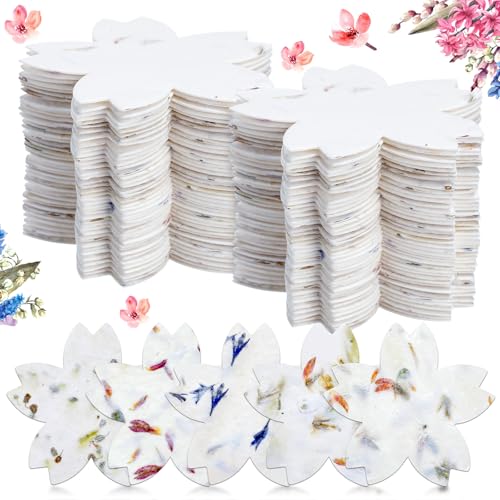
Package Include: you will receive 50 pieces handmade papers are made with various flower petals, including roses, pink zinnia, blue cornflowers, purple zinnia, and chrysanthemums, with 10 pieces of each design, it satisfies a wide range of preferences
9. Hanging Greenery

Hanging greenery turns the ceiling into part of the landscape instead of dead space. At a barn wedding I shot outside Asheville, the couple ran smilax vine and seeded eucalyptus between the rafters with zero wiring, just looped over nails the venue already had. It took two hours, cost maybe $80 in greens, and the whole room felt like a clearing in the woods.
The mistake is overbuilding. Floral chandeliers with foam bases and wired stems look dramatic in Pinterest photos, but they block sightlines, need a rigger, and often spin or sag. Loose, trailing greenery hung in swags moves in the air, catches light differently through the evening, and comes down in minutes.
Wood and stone already in the venue do the heavy lifting. The greenery connects them: a stone fireplace with jasmine vine drifting down from the mantel, or a wooden beam with simple garlands of lemon leaf and Italian ruscus. These are cheap, sturdy greens that last out of water for a full day.
For a tent or blank room, the same principle works with a wooden ladder suspended overhead, greens woven through the rungs. It gives the eye something natural to rest on without the fuss of a full installation.

[Artisan Crafted]: Each sheet in this 50-pack is handmade one at a time by skilled artisans using techniques passed down since 14th-century India. Sun-dried and cold-pressed, this 150 GSM cotton paper is externally treated with a plant-based sizing solution—making it beautifully suited for watercolor, acrylics, ink, charcoal, and colored pencils, as well as writing, calligraphy, and printing.

Package Include -- You will receive 50 pieces wedding invitations seed papers. The seeds inside are random. You don't know what the flower it is, you will look forward to it from planting to flowering.
Wildflower Seed Paper Cardstock
10. Botanical Signature Cocktails

A gin and tonic tastes different when the tonic was made that morning from cinchona bark and the gin was distilled forty miles from the venue. That difference is what botanical signature cocktails bring to an earthy wedding aesthetic. Herbs and flowers from the same farm supplying your dinner can steep into syrups, infuse spirits, or float as garnishes. Lavender, rosemary, elderflower, and basil each carry a season; asking your bar team to build drinks around what is freshly cut keeps the menu honest. The connection to a farm-to-table dinner is direct here: the same soil produces the basil in the cocktail and the basil on the plate. One risk is sweetness. Floral syrups can turn cloying fast, so the better move is to let the botanicals stay bitter or green, balanced by citrus rather than sugar. A thyme-infused vodka with grapefruit juice and a sprig of raw thyme works harder than a rose-petal confection. If your venue allows it, batching a single signature drink per hour of cocktail service keeps the bar moving and the ingredients traceable.
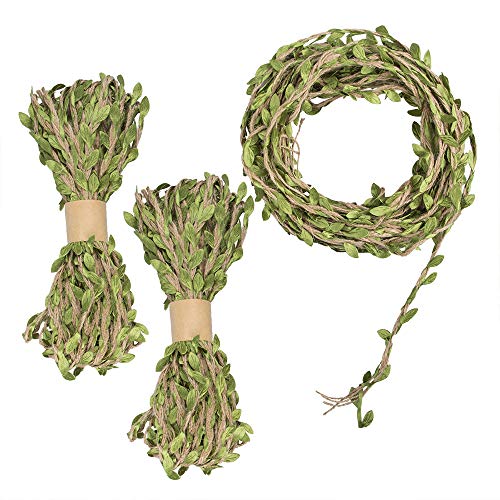
HIGH QUALITY:The burlap leaf ribbon are made of jute fabric materials and artificial leaf,easy to use,adds a beautiful touch of outdoors/indoors to the simple designs.

MULTI-PURPOSE JUTE TWINE: Great for gardening, crafts, gift wrapping, DIY decor, rustic wedding decorations, plant support, mason jar accents, and everyday tying tasks.

Natural jute vine twine with artificial leaves, 2 rolls, 33 feet/10m for each roll, the width of the twine is 0.2 inch/5mm.
11. Cake with Edible Flowers

A cake covered in edible flowers sits at the center of the dessert table like something you stumbled on in a garden rather than ordered from a bakery. Violets, nasturtiums, marigolds, and pansies are the usual suspects, each one safe to eat and distinct enough in color that you can build real patterning across the tiers. I have seen these go two ways: a careful border of single blooms that reads as formal, or a looser cascade where stems trail down the cake like the flowers grew there overnight. The second route costs nothing extra and reads far more nature-first. What does not work is mixing real edible flowers with non-edible decorative ones on the same cake. Guests cannot tell the difference once they are both sugared, and you will spend the reception answering "can I eat this?" instead of dancing. If your baker has not worked with fresh flowers before, ask them to do a test tier two weeks out. The moisture in real petals can wilt buttercream faster than sugar paste, and you want to see how a full day at room temperature treats the finish.
12. Eco-Friendly Confetti

The exit toss is where the earthy wedding aesthetic either holds up or falls apart. Plastic sequins and metallic foil will sit in the soil for years. Biodegradable confetti made from dried petals or leaves breaks down on its own, sometimes within days if the weather cooperates. I have seen photographers scramble when a couple’s "eco" confetti turned out to be tissue paper that soaked into the lawn like wet toilet paper, leaving gray lumps in every photo. Petals hold their color and shape long enough for the shot, then disappear.
Pair the confetti with locally sourced flowers for the aisle and tables, and the reduction in environmental impact becomes real. Local blooms skip the refrigerated trucks and jets that move imports across continents. The same farms supplying your petals can often supply the ceremony flowers if you ask early enough. One detail to watch: dried leaf confetti cracks if it is too brittle. Store it in a cool, dry place, not a hot car.
13. Botanical Photo Booth

A freestanding photo booth with a pressed-herb or botanical-print backdrop ties the earthy wedding aesthetic into something guests actually use. The same illustrations running through your invitations and table numbers can repeat here at scale, printed on fabric or paper panels that frame the camera line. I have seen this done with oversized vintage fern prints, with the couple’s own wedding monogram tucked into the corner like a museum label.
Lighting matters more than the backdrop itself. A ring light or two soft boxes behind the camera keeps the botanical colors accurate and prevents the greenery from going muddy in phone photos. Without it, guests get dim, brownish images that work against the fresh palette you chose.
The prints or digital files become an accidental favor, better than the trinkets people leave on tables. For setup, allow about six feet of depth behind the backdrop for group shots, and weight the stand legs if your venue has any breeze coming through open doors.
14. Nature-Inspired Lighting

Lanterns and candles do the heavy lifting for an earthy wedding aesthetic once the sun drops. At a vineyard reception last October, the couple hung brass lanterns at staggered heights above the long tables and set votives in terracotta saucers every eighteen inches. The light read as amber, rust, and burnt sienna, which pulled directly from the earthy color palette running through their invitations and bridesmaids’ dresses. The warmth comes from the flame itself, not the fixture, so even inexpensive glass hurricanes work if you cluster them tight enough to pool light.
String lights across the ceiling or wrapped around branches extend the same glow upward, though they need the candles below to keep the tone from turning cold. For pathways, solar-powered lights shaped like leaves or flowers keep the botanical thread going without cords. Skip anything bluish or stark white; it fights the terracotta and sage you have already committed to elsewhere.
15. Botanical Illustrations

Botanical illustrations thread through an earthy wedding aesthetic in ways that feel intentional rather than scattered. The invitation sets the first impression with watercolor leaves, wildflowers, or branch motifs, but the same artwork reappears on menu cards, table numbers, and even directional signage so guests sense continuity rather than repetition. Hand-pressed botanicals or original illustrations on recycled kraft paper carry weight that digital printing rarely matches.
I have seen this done two ways: one couple commissioned a single illustrator to render the native plants of their venue, then printed the suite on seed paper guests could later plant. Another used the same eucalyptus and fern drawings from their invitation across hand-painted acrylic welcome signs and etched glassware at each place setting. Both approaches worked because the illustration style stayed consistent, not because the budget was large.
For texture, layered papers with twine or lace paired with botanical prints create the dimensional, tactile quality that flat design cannot achieve. The same natural motifs translate easily to chalkboard signs, wooden program boards, or even projected onto walls during the reception, so the visual language extends rather than duplicates.
Earthy Color Palette

Terracotta, sage green, mustard yellow, and burnt sienna form the backbone of any earthy wedding aesthetic. These four shades pull directly from soil, clay, and dried grasses, which is exactly why they read as warm rather than trendy. The best earth tone wedding colors are the ones that look like they could have existed in the landscape around your venue for centuries.
Earth tone colors are shades inspired by nature: browns, greens, beiges, tans, muted blues, and soft blush tones. They tend to be warm, calming, and versatile because they borrow from the ground beneath us rather than the synthetic world.
In practice, these colors layer beautifully through three main channels. Bridesmaids in mismatched rust, olive, and amber gowns create movement without clashing. Floral arrangements built on wildflowers, pampas grass, and eucalyptus carry the palette organically. Table settings with linen napkins in muted earth tones ground the room without feeling staged.
Soft neutrals like ivory, taupe, and sand balance the heavier shades and keep the palette from turning muddy. Brown and cream wedding colors feel timeless; green and brown wedding palettes highlight nature directly. For contrast, a touch of blush pink or dusty blue adds lift without breaking the earthy contract.
Venue Selection

A garden, forest clearing, or rustic barn gives you the earthy wedding aesthetic without trying to manufacture it. Botanical gardens and working farms already carry the texture you want: weathered wood, living soil, canopy shade. The backdrop does half the work.
Outdoor venues carry two hard realities. Weather contingency is not optional; rain plans need to be concrete, not hopeful. Accessibility matters just as much, especially for older guests crossing uneven ground to reach a forest ceremony site. I have seen beautiful clearings abandoned at the last minute because the cart path turned to mud, or because there was no practical way to get a grandparent to the front row.
Barns and historic estates split the difference. They keep the rustic connection while giving you a roof and level floors. Vineyards do the same, with rows of growth framing the space. The choice between full outdoor immersion and protected rustic character is the first real decision you make, and it shapes every detail that follows.
Earthy Wedding Attire

Lace, chiffon, and silk move differently than polyester under open sky, and that difference matters more than most couples expect when they choose an earthy wedding aesthetic. I have watched brides in structured satin gowns struggle through meadow grass while others in fluid silhouettes barely notice the terrain. The latter is the point: relaxed shapes in natural fabrics let the setting do half the work.
For brides, lace with leaf or floral patterns reads botanical without trying too hard. Grooms in earthy tones, linen shirts under tailored jackets, keep the palette grounded. Flower crowns and minimal jewelry finish the look without competing with it. Guests asking whether earth tone dresses work should know they absolutely do; muted blush, sage, taupe, or dusty blue fit the scene rather than clash with it. The only misstep is showing up in something that fights the softness of the day.
Sustainable Practices

Biodegradable confetti, seasonal flowers grown within driving distance, and digital invitations all cut waste without asking guests to notice the sacrifice. Seasonal and locally sourced flowers skip the refrigerated cargo flights that keep out-of-season stems alive, and they tend to hold up better through a long day because they were cut closer to when they bloomed. Digital invitations or recycled paper stationery extend the same logic to what guests handle first. The earthy wedding aesthetic works best when the choices feel effortless rather than virtuous, so I look for options that match or beat their conventional equivalents on looks alone. Recycled kraft paper, seed paper, and handmade paper carry texture that standard cardstock often imitates badly; pressed flower details or watercolor botanicals on those surfaces signal the theme before anyone reads a word. Where vendors specialize in one of these practices, their stock already fits the visual story, which saves the trouble of explaining the mismatch later.
Natural Decor Materials

Natural materials do the heavy lifting in an earthy wedding aesthetic, and the trick is letting each one show its texture instead of polishing it away. Wood, stone, and foliage belong at center stage: log slices or wooden chargers underfoot of each place setting, river stones as card holders, eucalyptus or ferns spilling from vessels rather than crowding them out. The sources point toward layering textures that feel gathered rather than manufactured, which is where marble veining, leather menu ties, or raw-edged wood signage add depth without drifting into rustic cliché.
Table settings gain their outdoor connection through restraint. Ceramic dishware on woven placemats, linen napkins left slightly rumpled, mixed-metal flatware that does not match too precisely. Signage carved or burned into wood reads more honest than vinyl on acrylic. What separates a nature-first approach from generic rustic is the willingness to leave materials a little unfinished: bark still on, stone unpolished, leather unembossed. The eye catches the variation, and the setting feels like it grew there rather than being trucked in from a rental warehouse.
Frequently Asked Questions
What is considered an earth tone color?
Earth tone colors are shades inspired by nature such as browns, greens, beiges, tans, muted blues, and soft blush tones. They tend to be warm, calming, and versatile because they borrow from the ground beneath us rather than the synthetic world.
What are the best earth tone wedding colors?
The best earth tone wedding colors are terracotta, sage green, mustard yellow, and burnt sienna, which pull directly from soil, clay, and dried grasses. Soft neutrals like ivory, taupe, and sand balance the heavier shades, while a touch of blush pink or dusty blue adds lift without breaking the earthy contract.
Can I wear an earth tone dress to a wedding?
Yes. Earth tone dresses for wedding guests are elegant and versatile, whether in muted blush, taupe, sage green, or dusty blue. These shades fit the scene rather than clash with it, and they complement a wide range of skin tones while photographing beautifully in both indoor and outdoor settings.