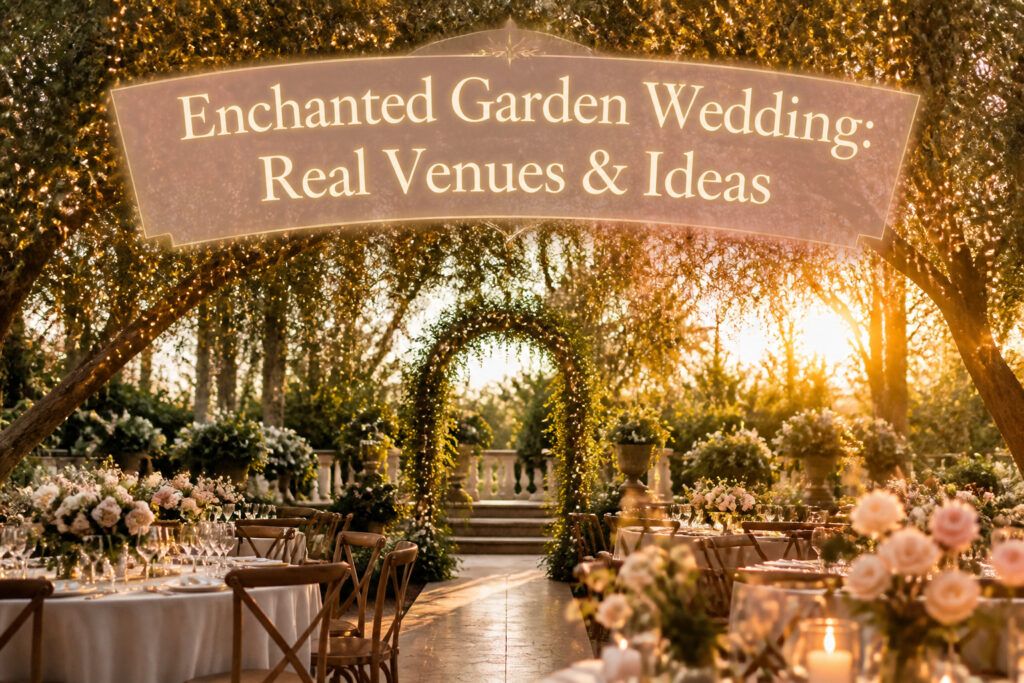
An enchanted garden wedding treats the whole property as the experience, not just the backdrop for vows. The catch is that the magic depends on timing and light: a twenty-four-foot hanging installation of greenery and fairy lights reads as architecture only when the photographer knows which layer to shoot through, and venues that charge $750 for outside shooters can turn found moments into forced ones. The Grove in Las Vegas allows external photographers outright, a rarity in that market, while its almond-tree fairy lights demand exposure decisions most outdoor weddings never face.
What an Enchanted Garden Wedding Actually Looks Like
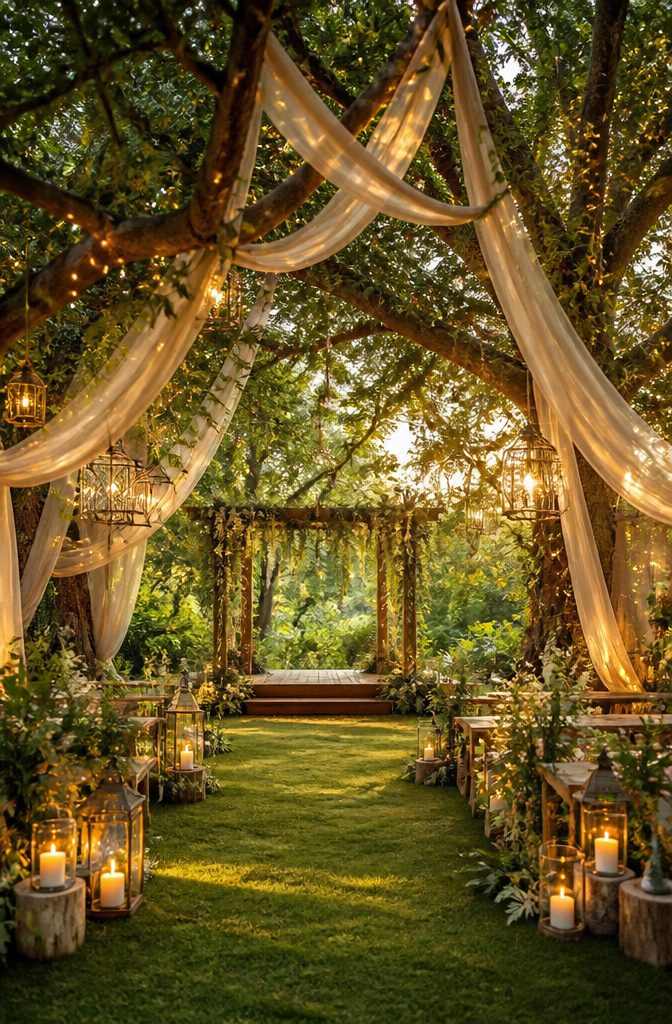
An enchanted garden wedding is what happens when a couple decides the setting itself should feel like it grew there. The photographer’s job shifts from finding pretty backgrounds to choosing which layer of magic to shoot through: twenty-four-foot hanging installations of greenery and fairy lights, sheer fabric catching wind, candles pooled in glass, all of it working as architecture rather than decoration.
A standard outdoor wedding uses a lawn or terrace as stage. An enchanted garden wedding treats the whole property as the experience, with guests discovering portrait backdrops along winding paths and vows exchanged under mature greenery that already existed. The lighting is the giveaway. Fairy lights wrapped through almond trees or a greenhouse reception glowing against garden darkness turn the same hour into something a plain tent or patio cannot replicate.
The difference shows up in what couples actually prioritize. Where a standard outdoor wedding might fight the setting with heavy rentals, the enchanted approach lets the venue do the work. Some garden venues allow outside photographers with no extra fee, while others charge $750 for the same freedom; that choice alone shapes whether the images feel found or forced. The best venues keep interiors minimal, white walls and string lights that step back so the garden stays the story.

【USB Plug in Fairy Lights】This string light consists of a 33 feet flexible silver wire, a 6.7 feet power cord, and 100 energy-efficient LED bulbs. USB powered, it emits a soft, warm glow suitable for both indoor and outdoor use. With the remote control, you can easily turn the lights on and off, adjust the brightness, and switch lighting modes, making it the perfect accent to your home decorations
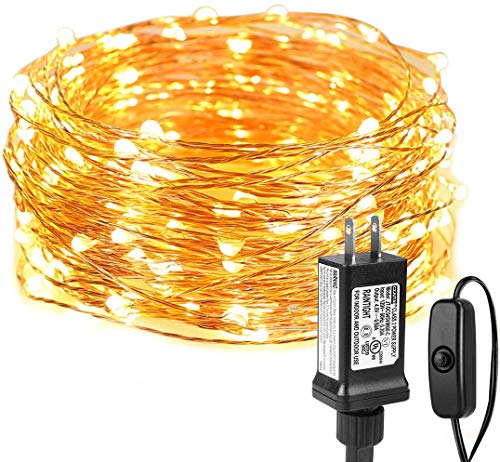
Versatile Fairy lights: String with 100 durable LEDs creates a warm, joyful, and festive ambience, ideal decorations for Christmas, holiday, party, wedding, etc.
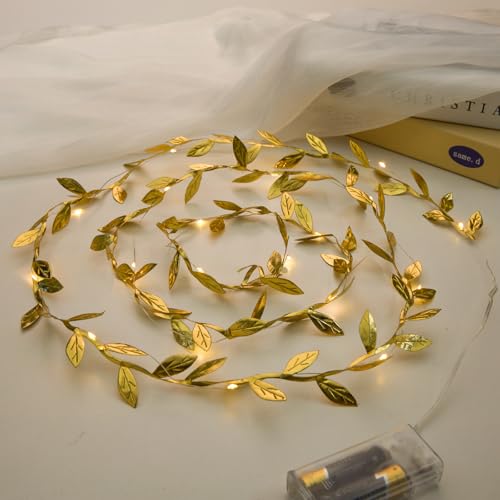
Package: you will receive 2pcs gold fairy lights, each vine Lights about 2 m/6.56 ft length, the golden leaf size about 1.10(L)*0.47(W) inch.
1. Enchanted Gardens Florida
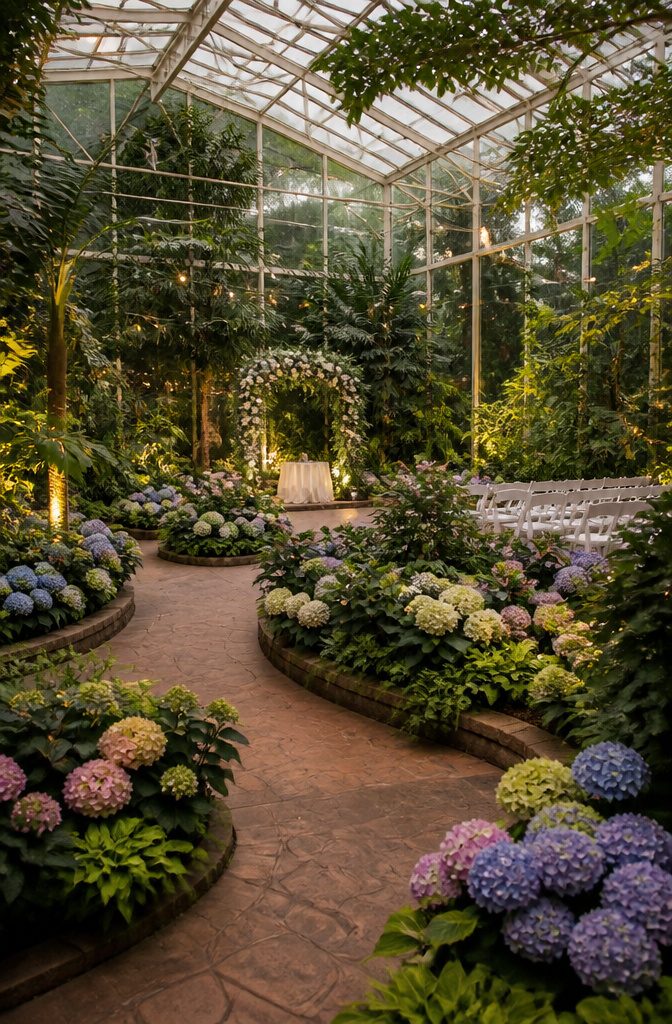
A covered greenhouse in Florida sounds like a contradiction until you stand inside it. The roof diffuses the midday sun into something a photographer can actually work with, no harsh shadows cutting across the aisle. Wedding packages start at $12,500 for up to 150 guests, which is the threshold where most couples start looking at garden venues seriously.
The ceremony typically happens among the mature greenery, vow exchanges framed by forty years of growth that no florist could replicate on short notice. Then the reception moves under that greenhouse roof, a practical hedge against afternoon storms that would torch a tent wedding. Guests wander the winding paths between, finding their own portrait backdrops. As a photographer, the light is the story here: soft, even, forgiving on skin tones, with the garden visible through the open sides so you do not lose the setting even when you are technically indoors.
The mistake I have seen is timing the couple’s portraits too late. That diffused greenhouse light flattens beautifully until about an hour before sunset, then the garden outside goes golden while the interior stays cool, and the color balance becomes a problem you do not need on a wedding day. Shoot the formals early, let the guests enjoy the paths during cocktail hour, and trust that the garden already did the decorating.

4 Packs 24FT Artificial Eucalyptus Flower Garland with White Camellias, Faux Greenery Garland Wedding Decor Fake Flower Rose Hanging Vine for Home Yard Table Party Wedding Decoration
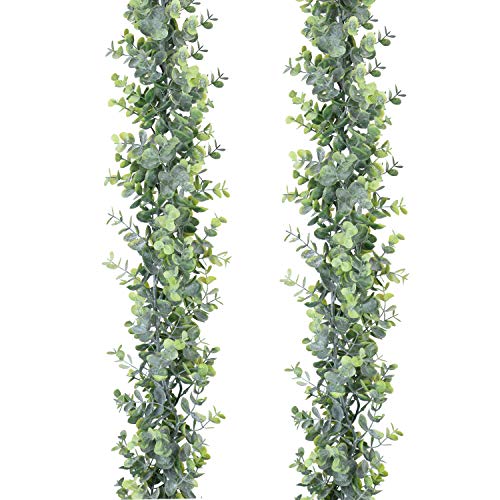
Quantity:2 Pack Faux eucalyptus garland , Each pack with 134 Pcs large fake eucalyptus leaves, total 268 Pcs Eucalyptus Leaves,This eucalyptus garland has many branches,Looks very realistic and Three-dimensional.

WORTHY BATCH DECORATION APPLICATION] There are totally 168 feet artificial ivy vines、100*green cable ties included in one bag (Each ivy hanging vine approx 7ft long,leaves diameter approx 1.4-1.8inch.comes with 24 Strands artificial ivy vine,plastic vine silk leaves.). Batch application is more cost-effective, such as wedding, garden, and shopping malls.
2. Enchanted Gardens Oklahoma
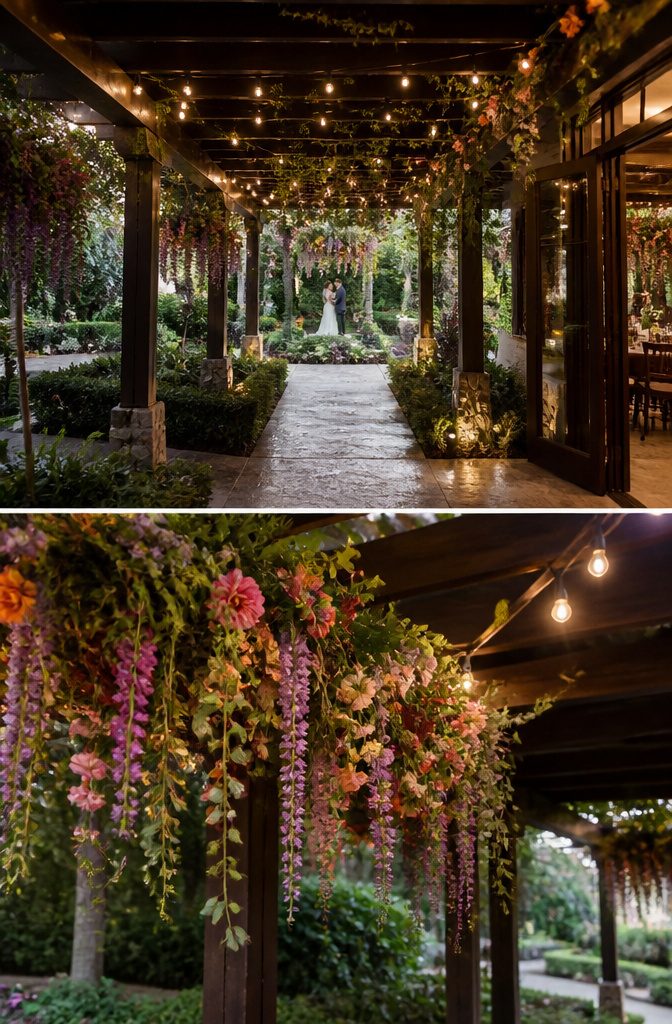
Enchanted Gardens Oklahoma runs full-day weddings with up to 200 guests and 10 hours of venue access, with packages starting around $11,000. The indoor-outdoor setup matters more than most couples realize until the morning forecast changes.
The real advantage sits in how the spaces talk to each other. Covered walkways and open transition areas let guests drift between the garden ceremony and the interior without a hard break in the day. For photographers, that continuity is practical: you can shoot the couple stepping from shade into late-afternoon light without losing the party to a separate building across a parking lot.
The indoor backup space keeps the timeline intact if weather turns. That same flexibility shapes how I pack. A venue with true indoor-outdoor flow means hauling lighting gear for both color temperatures, sometimes running two setups simultaneously, but it beats discovering at 2 PM that a tent sidewall has turned the reception into a cave. The covered zones between spaces buy time to adjust strobes or move a portrait session without interrupting cocktail hour.
Guest count at 200 fills the garden comfortably without crowding the transitions. Under that number, the spaces feel generous; much over, and the indoor backup gets tight for a seated dinner.

Master your limitless indoor gardening setup with high versatility and flexibility. This kit includes 2 bulbs and 3 feet of growing power! Durable rubber cord and polarized...
3. Como Zoo Conservatory
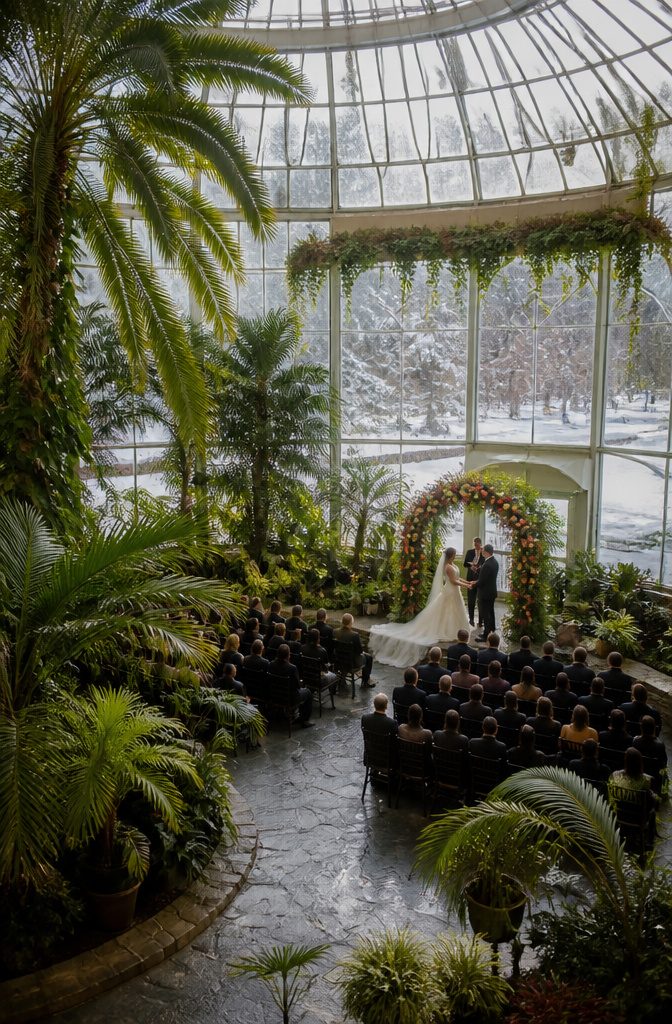
The Como Zoo Conservatory sits just across the street from a garden that can seat up to 250 guests, which puts it in a different league than most conservatory-adjacent sites. That rental block runs four hours for setup and ceremony, so the timeline is tight and the logistics need to be sharp.
Inside, the conservatory structure itself throws a specific kind of light: glass overhead, glass on the walls, and the green density of tropical plants between your subjects and the sky. In June that combination reads lush and even, with the foliage acting as a natural fill. In February the same glass turns the low sun into something harder and more directional, and the snow outside bounces cool light back through the panes while the interior stays humid and warm. The garden photographs differently in each season not because the layout changes, but because the relationship between interior and exterior light shifts that dramatically.
Minnesota winter weddings here mean planning for guests moving between heated spaces and the garden, and the photographs will carry that contrast whether you plan for it or not.

Material: Soft, wrinkle-free, silky and high quality fabric.

【Wedding Arch Draping Fabric】Package includes 1 panel ivory sheer drapes, each panel is 28.7 inches wide and 20 ft long. The length of wedding arch draping fabric is long enough to fit different size arch decoration. This polyester sheer drapery backdrop can create a romantic and elegant atmosphere on your party.

Premium Material & Effortless Elegance: Crafted from premium wrinkle-resistant chiffon fabric, this wedding arch draping fabric provides a substantial weight and fluidity for an easy and romantic decor. The silky-smooth texture allows it to drape into flowing folds, suitable for creating an elegant atmosphere at formal events
4. The Grove Las Vegas
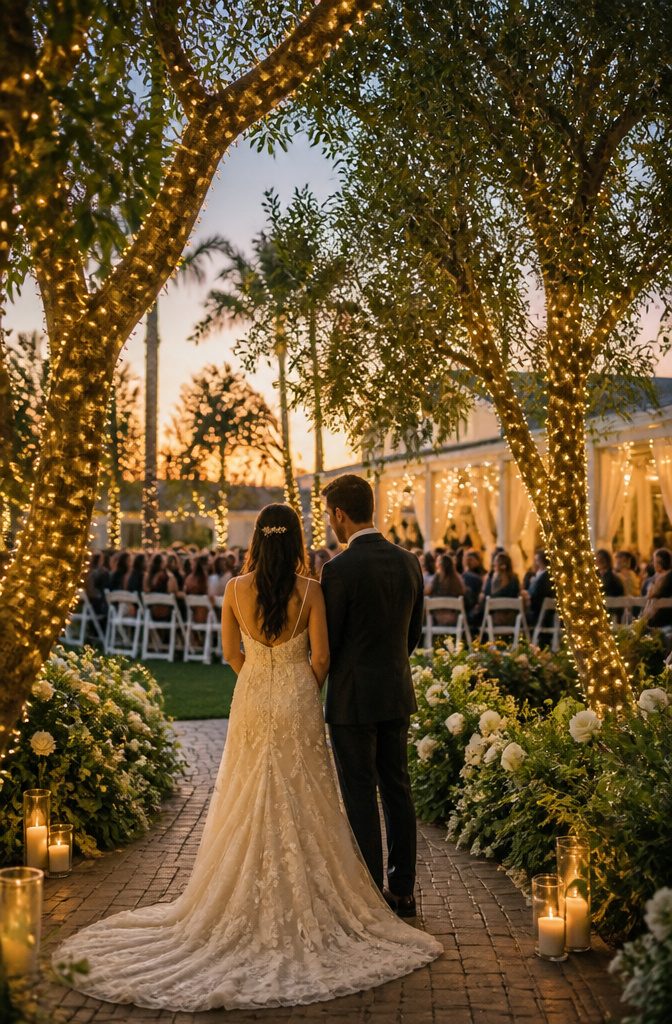
The Grove in Las Vegas bills itself as an enchanted garden wedding venue, and the description holds up once you pass the gate. Almond trees line the ceremony walkway, each trunk wrapped in fairy lights that stay up year-round. That built-in lighting is the first thing a photographer has to account for, because those fixtures are not subtle accents; they are the dominant light source from late afternoon onward.
Exposure decisions shift significantly in a space like this. The fairy lights read warm on camera, usually landing around 2700 K, while open sky in the background pushes toward 5600 K or higher. Shooting the couple under the canopy with sky behind them means choosing which source to balance for. Expose for the lights and the background blows out to pale blue; expose for the sky and the subjects drop to silhouette. Most photographers I have watched work this venue settle on a middle exposure, then recover shadow detail in post, or they wait for the ten-minute window when the sky has darkened enough to match the fixture output.
Supplemental lighting either complements or competates depending on placement. A soft source from the same direction as the existing string lights extends their reach without changing the character of the scene. An on-camera flash or a hard strobe from a new angle shatters the effect entirely. The Grove’s interior reception room carries the same logic: white walls, white ceiling, more string lights. A photographer bringing in a monolight here would aim it at the ceiling and bounce, not direct, to keep the glow continuous rather than layered.
The venue charges no outside-photographer fee, which in this market is unusual enough to factor into budget planning directly. Some Las Vegas venues add $750 to bring your own shooter; here, that line item stays at zero.
Versatile Decoration:Includes 16 exquisitely designed glass votive candle holders for creating a charming and romantic atmosphere.

Charming Polka Dot Texture – Warm Holiday Glow Each holder features a distinctive polka dot textured surface that captures candlelight, casting soft, patterned shadows across your Thanksgiving table or Christmas mantel. The olive green glass adds a fresh yet festive touch, complementing rich autumn hues and classic holiday reds – a stunning accent even when unlit

FALL, HOLIDAY & WINTER EVENT SET: This 36-piece collection includes 18 large holders (2.16" x 2.55") and 18 small holders (2.16" x 1.37") with a diamond facet clear glass design. Provides extra-large quantity for long banquet tables, Thanksgiving dinners, Christmas parties, and multiple wedding centerpieces without needing additional purchases. The mixed-height design creates a sophisticated autumn and winter atmosphere
5. Mint Springs Farm
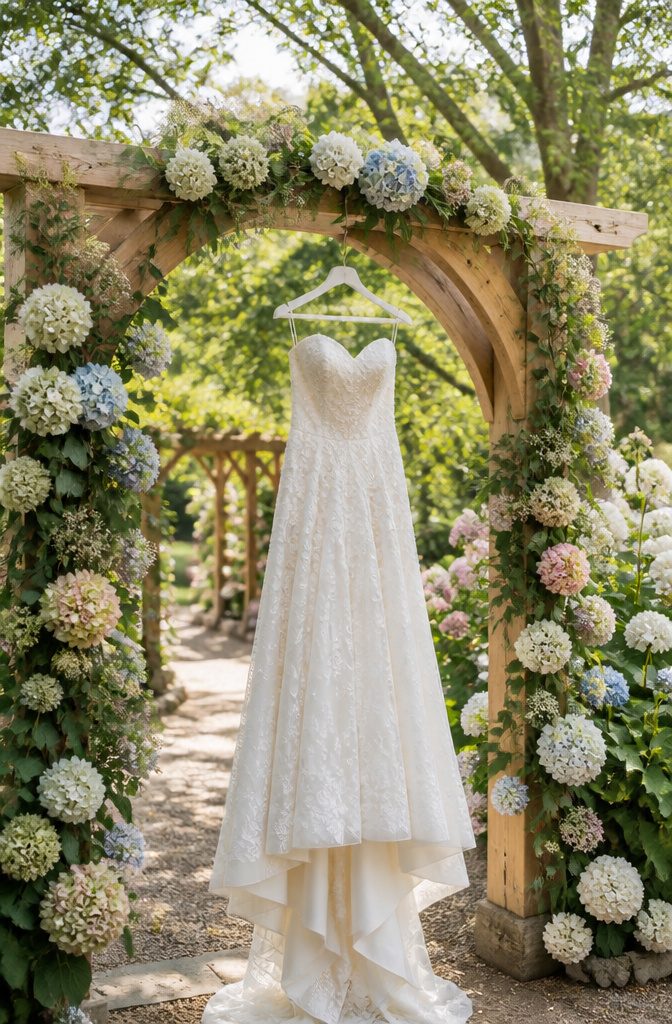
Mint Springs Farm sits on rolling Tennessee land where the gardens do most of the decorating themselves. Hydrangea borders, mature trees, and seasonal color change throughout the year, which means the floral budget shifts from "build a garden" to "fill the gaps." Couples who tour in late spring often cut their arch flowers by half once they see the peony hedges already in bloom.
The working farm setting brings a specific risk: equipment lives outside, and weather moves fast across open acreage. A tent backup for the ceremony space is not optional here, and lighting rigs need rain covers rated for actual storms, not just drizzle. Ground that looks firm in June can soften after a July thunderstorm, so aisle flooring or heel guards belong on the rental list.
What surprised me, reading through accounts from events here, is how many couples brought in hanging installations or dense table garlands that competed with rather than complemented what grew on site. The venue’s own plantings already create layers of height and texture. A lighter hand with centerpieces, maybe bud vases or single stems in brass holders, reads more intentional against that backdrop than an imported floral wall ever would.
Built-In Venue Features That Do the Work
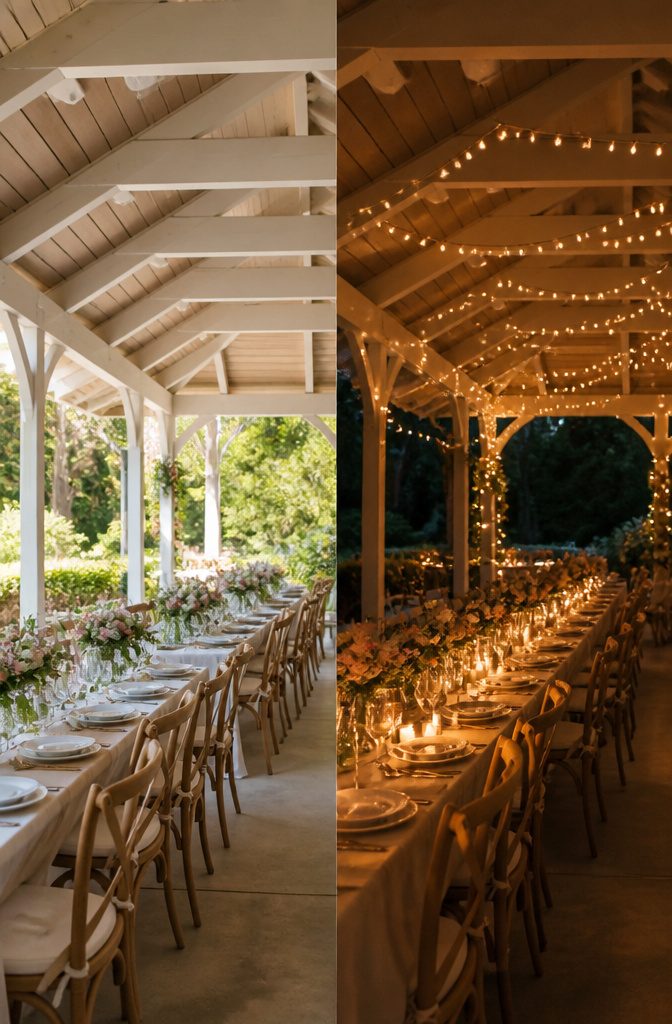
Covered pavilions and string-light canopies get couples excited, but the features that actually carry a photograph are directional light and a clean backdrop. The Grove in Las Vegas wraps almond trees with fairy lights along the ceremony walkway, and that lighting is what creates the "enchanted" effect in images, not the trees themselves. Without the last bits of golden hour that followed, those same lights would have looked like afterthoughts against flat afternoon sun.
Water features and outdoor fireplaces tend to be overvalued during planning. They read as atmosphere in person but often split the visual focus in photographs, especially when placed behind a ceremony arch where flare and reflection fight the couple for attention. Couples regularly request seating nooks with vintage settees for "candid guest moments," yet these vignettes sit empty during peak dancing hours and become dead weight in the frame.
What earns its keep: a dedicated indoor-outdoor reception option. The Grove’s minimalist white-walled room with string lights lets the garden aesthetic continue without weather risk. Como Zoo Conservatory builds in four-hour rental blocks that cover setup through takedown, plus designated backup space inside the Visitor Center if rain arrives. That contingency matters more than any fountain. Open layouts with surrounding views, like those at the Conservatory, give ceremony design flexibility without demanding additional décor to manufacture depth.
Floral Decor as Architecture
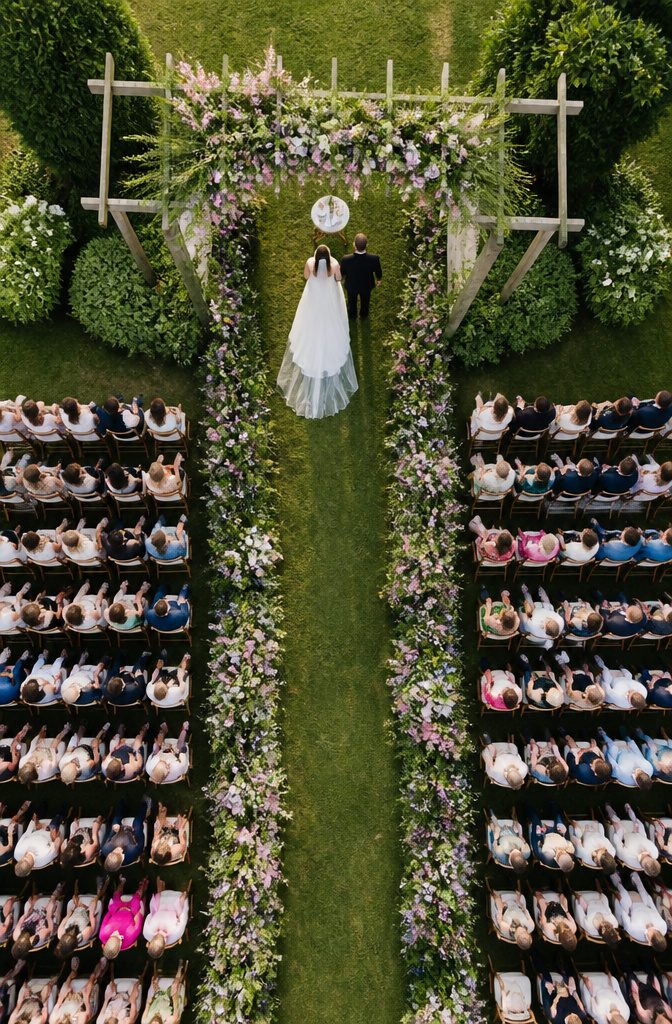
Flowers do the architectural work in an enchanted garden wedding, turning open space into rooms you walk through. At one Mint Springs Farm ceremony, Angela of The Bloom House built the whole atmosphere from abundant fresh blooms and greenery: all-white bridal bouquets, whimsical pew markers, and a massive flower-covered swag suspended above the couple. The aisle itself becomes a structure, lined with boxes of pink, white, and purple flowers accented with greenery, so guests process through the arrangement rather than around it.
That density changes how a photographer moves. Floral-lined aisles and overhead installations like a lush ceremony arch or suspended candles in cherry blossom globes create natural frames, but they also block sightlines. Shooting positions shrink to narrow channels between bloom boxes, and the arch that looks romantic from the front reads as a wall from the side. I plan coverage knowing the arbor limits my angles; guests seated behind thick arrangements will see the couple only in glimpses, so I scout where the flowers thin enough for a clear view. The bride who wanted flowers everywhere got them, and the result was stunning, but the same installations that made guests gasp on entry asked me to work within tighter physical margins than a bare venue would have allowed.
Color Palettes That Read on Camera
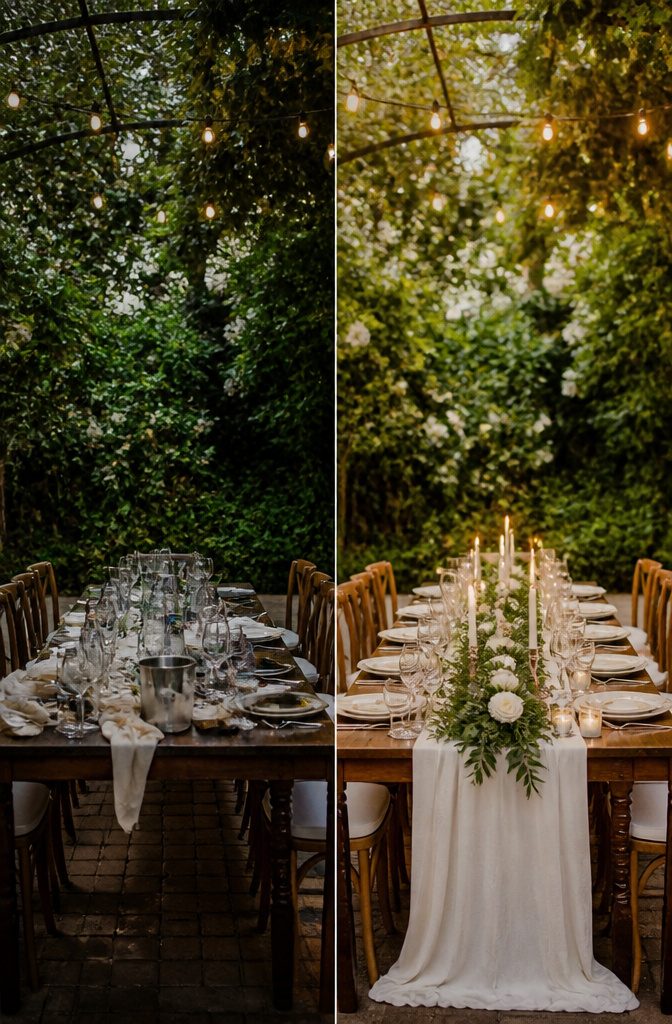
Ivory and champagne read as quiet elegance on camera, especially when the sun drops and the garden shifts into that blue-hour haze. The warmth in those neutrals picks up what little light remains and keeps the couple visible against deep green without fighting it.
Brighter colors, a coral or a saturated violet, behave almost the opposite. They hold their own in full afternoon sun but can turn garish once the sky cools, and they compete with the venue’s own foliage instead of settling into it.
The sources lean into this split: soft neutrals signal natural grace, while bold choices read playful, even whimsical. What convinced me, reading through a dozen of these garden shoots, is that the palette you choose should borrow from the greenery, not ignore it. A venue heavy on oak and ivy already carries a muted earth tone; loud linens against that can look like an interruption. At Mint Springs Farm, the ivory base let a twenty-four-foot hanging installation of greenery and fairy lights become the photograph, not the background noise.
Ethereal Details with Physical Form
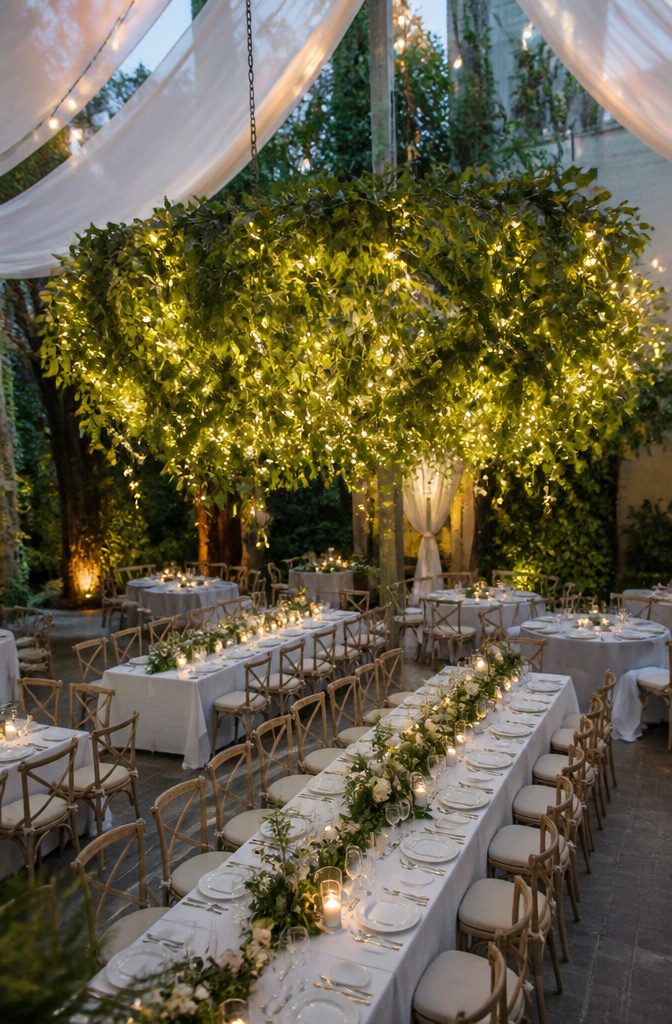
Fairy lights photograph as soft pinpricks after dusk but read as thin wires under hard noon sun; golden hour gives them dimension your guests will actually see. The twenty-four-foot hanging installation at Mint Springs Farm, greenery and lights together, worked because it faced the tent’s open side so the glow had somewhere to go instead of flattening against white ceiling fabric. Sheer drapery moves in wind, which looks romantic in stills but can coil around a guest’s wrist at cocktail hour or whip a candle out; weight the hems or anchor with discreet stakes, and position so the breeze carries it away from walkways, not across them.
Installations frame what sits beneath them and block what sits behind. That same overhead greenery-and-light piece drew eyes to the dance floor while politely erasing the catering tent’s sightline from the tables below. White linens and candles underneath muted the competing color so the green stayed dominant, using the garden’s own logic: green recedes, blooms advance. Guests standing beneath the installation felt enclosed, almost room-like, while guests thirty feet away saw it as a floating threshold they had not yet crossed. The photograph collapses that two-stage experience into a single frame, which is why couples later say the event felt bigger than it looked; the camera missed the approach. Book your photographer through the venue’s approved list or confirm no outside fee applies; some Las Vegas garden venues charge $750 for external shooters, others like The Grove allow them outright, and that distinction matters more for documenting timed lighting than for any other element of the day.
Personal Touches That Survive the Aesthetic
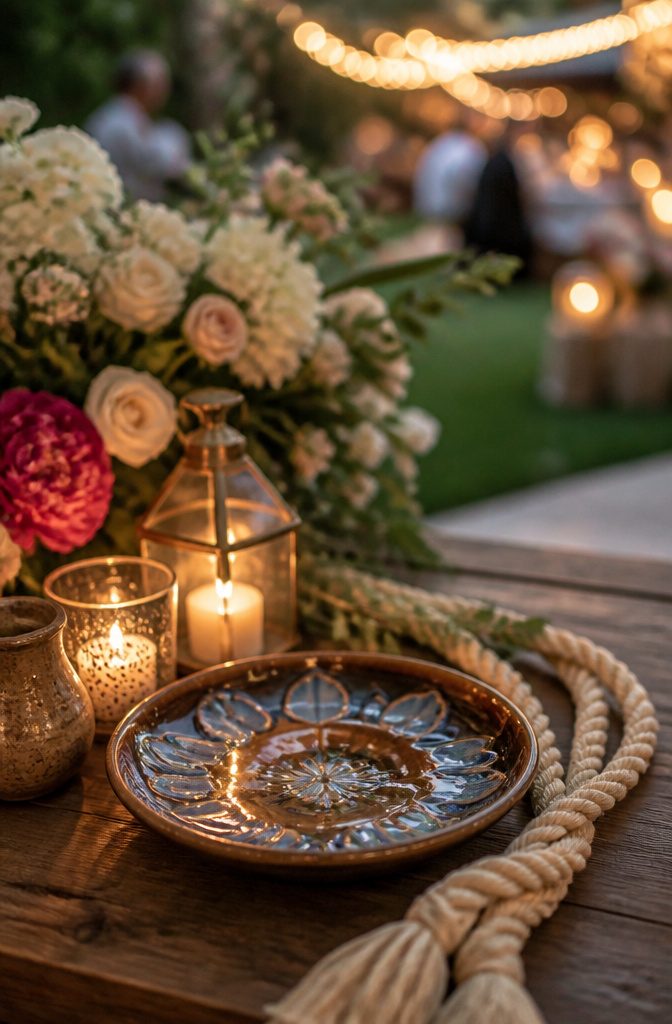
A hand-painted ceramic dish from your grandmother reads in a photograph because the glaze catches light differently than the petals around it. The same image will lose a handwritten vow on translucent paper; pale ink against green foliage turns to gray mush in every shot I have tried to print. Your objects need a physical edge, a weight, or a surface that reflects if you want them to survive the garden’s own storytelling.
Cultural traditions work the same way. A red sari against moss reads immediately. A ring-warming ceremony with woven cord does not, not unless the cord is thick enough to cast shadow and the hands holding it are still for more than a breath. I have watched couples bury bourbon bottles at southern garden ceremonies, and the shovel, the dark glass, the turned earth all photograph as clearly as the kiss that follows. The intention behind the act does not record; the material reality of the act does.
Micro-weddings at garden venues risk losing atmosphere because twenty guests do not fill the frame the way eighty do. The fix is not more flowers, which only thicken the background noise. The couples who pull it off move the ceremony to the site’s smallest defined space, a walled herb garden or a gazebo corner, and let the architecture do the work of focus. The personal detail, placed against that smaller stage, finally has somewhere to land.
Frequently Asked Questions
What is an enchanted garden wedding?
An enchanted garden wedding treats the entire property as the experience rather than using a lawn or terrace as a simple stage. Guests come across portrait backdrops along winding paths while vows happen under mature greenery that already existed, and the lighting, whether fairy lights in almond trees or a glowing greenhouse reception, turns the same hour into something a plain tent cannot match. The best venues keep interiors minimal so the garden remains the main story.
How do I plan an enchanted garden wedding?
Start by choosing a venue whose existing greenery and architecture do the decorating for you, such as a greenhouse, conservatory, or mature garden with covered walkways. Let the landscape guide your floral budget so you are filling gaps rather than building a garden from scratch, and pick a color palette of soft neutrals that borrows from the surrounding foliage instead of competing with it. Build in weather backups like indoor-outdoor flow or tent coverage, and confirm whether the venue charges an outside photographer fee before you book your shooter.
What are some design elements for an enchanted garden wedding?
Flowers should do architectural work, with aisle arrangements and overhead installations creating rooms guests walk through rather than simple table accents. Ivory and champagne read as quiet elegance on camera and settle into the garden without fighting the greenery, while fairy lights and sheer drapery add atmosphere if you weight the hems so fabric stays clear of walkways. Personal touches survive best when they carry physical weight or a reflective surface, like hand-painted ceramic or dark glass, rather than faint script that fades into the leaves.