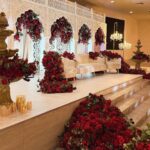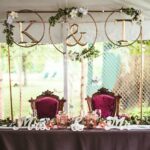
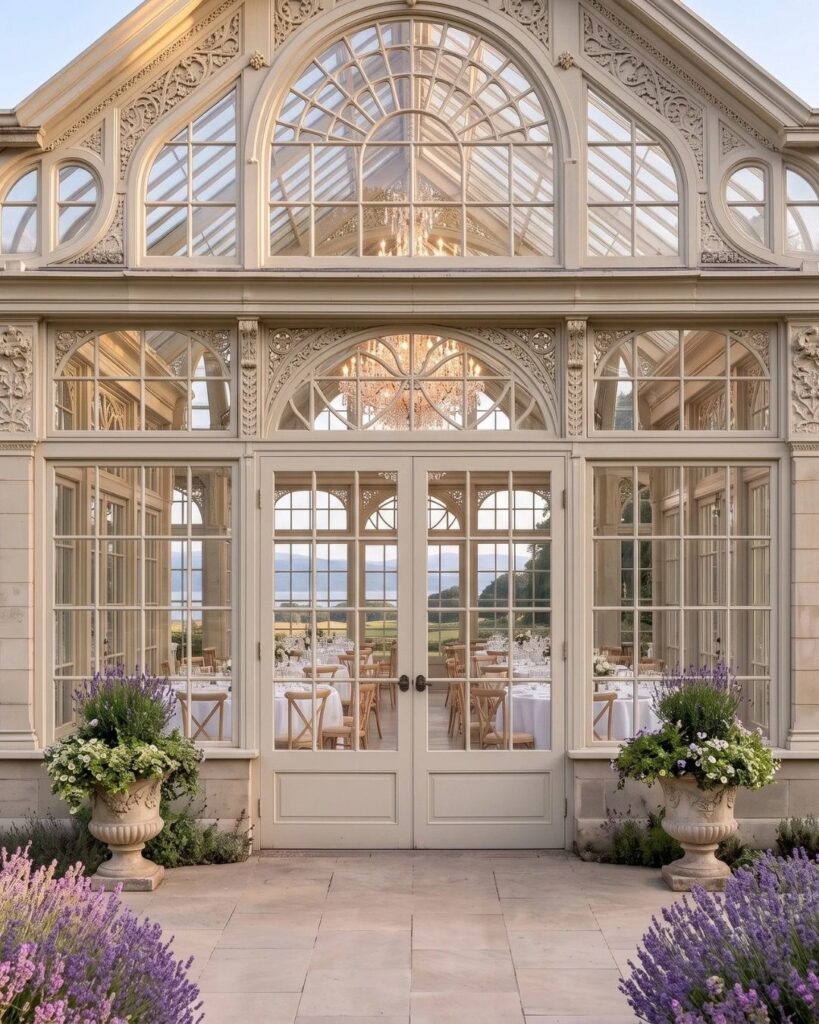
Classic wedding venue ideas stretch from $195 hourly hire at a preserved Boston mansion to $50,000 for a full three-day estate buyout, and the right choice depends on whether your priority is the architecture itself or the infrastructure that makes it comfortable for guests.
A glass conservatory with arched windows needs no added decoration, while a rustic barn requires you to rent every table, light, and climate unit yourself.
1. Historic Estates
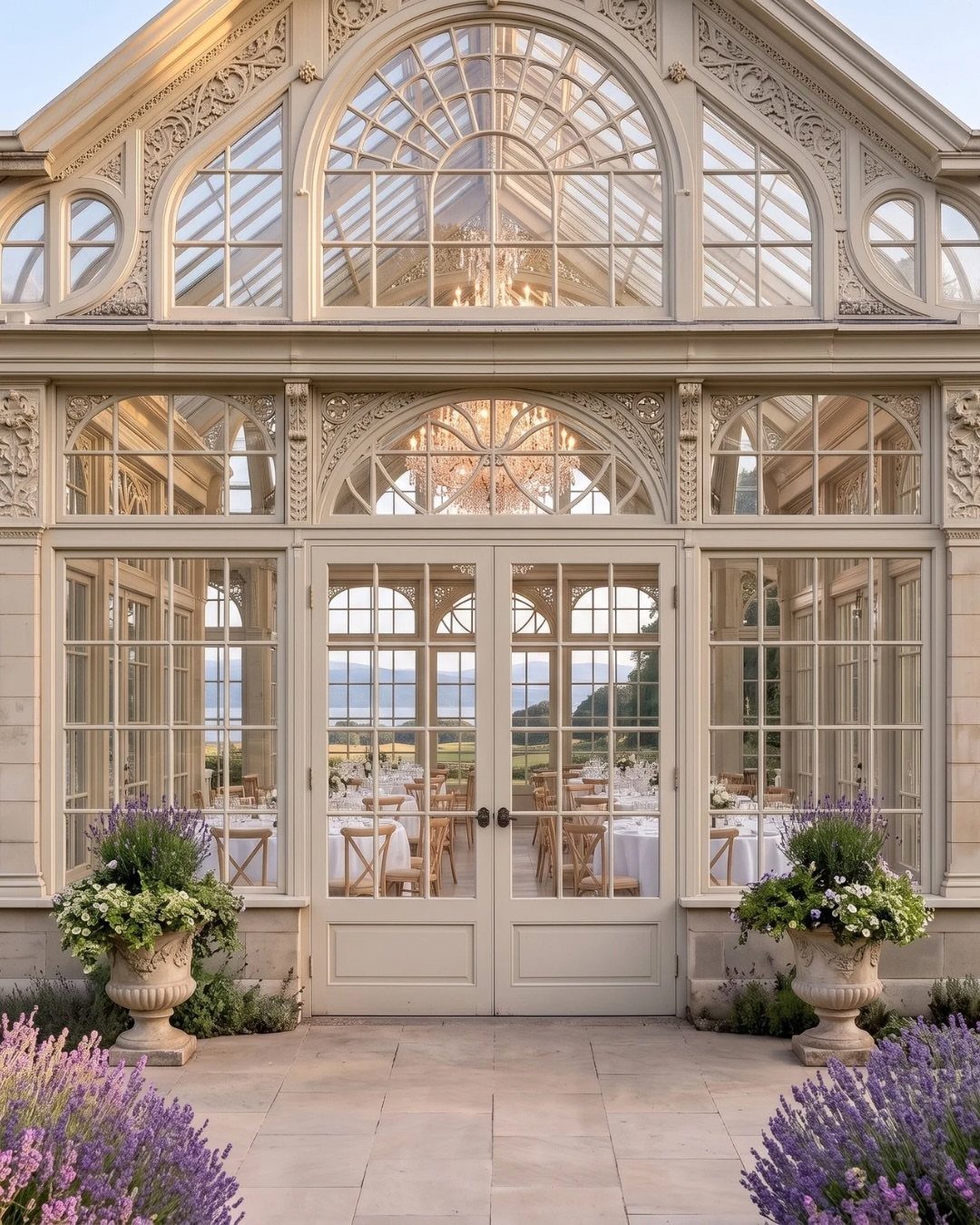
A historic estate gives you architecture that has already lasted a century and will outlast your wedding photos.
A glass conservatory with arched windows and crystal chandeliers inside a stone framework does not need extra decoration; the landscape beyond the glass becomes your backdrop without rental cost.
These venues charge for the formality they assume you want.
Ask whether their gardens are included in the base rate or priced separately for ceremony use, and check if catering must come from their approved list. The history is genuine, but the pricing is modern.
2. Botanical Gardens
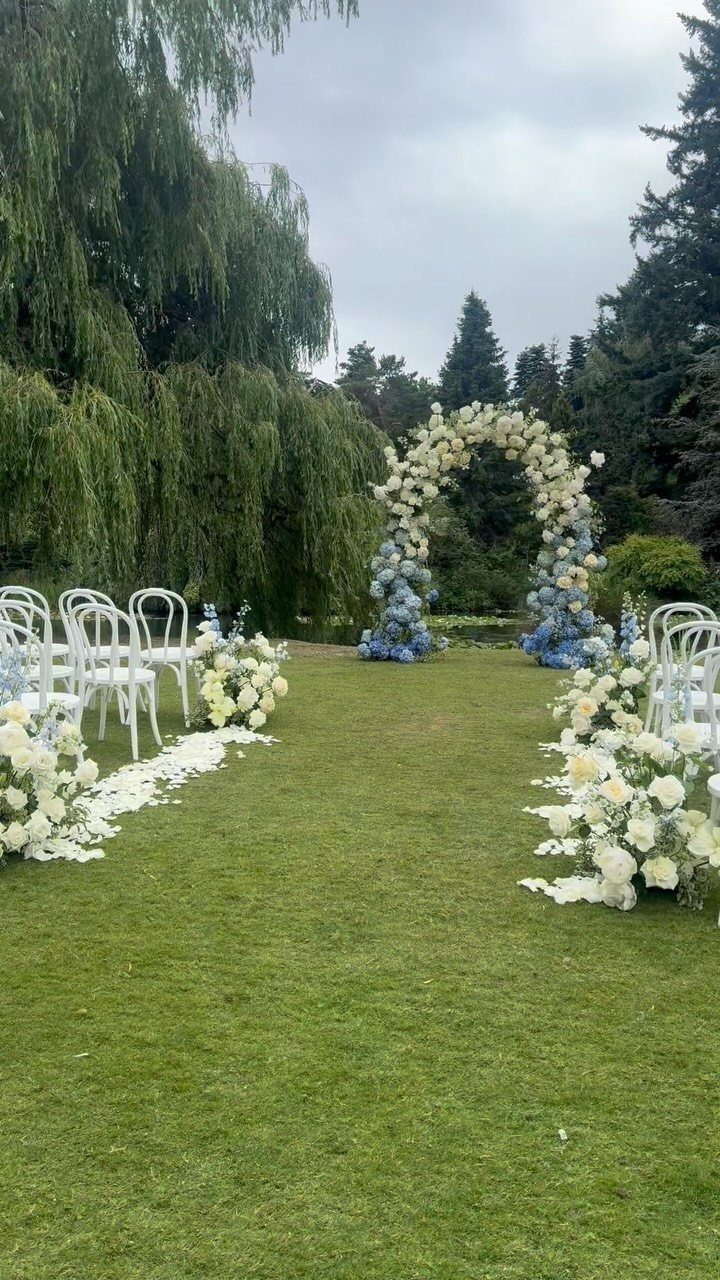
Botanical gardens hand you color and scent at a season when florists would charge thousands to replicate even a fraction of it.
The Denver Botanic Gardens runs ceremonies among its permanent plantings, which means your "decor" is alive and maintained by staff you are not paying directly.
Rain plans matter more here than at almost any other outdoor venue. Ask where guests move if weather turns, and whether that indoor space has the same views or becomes a backup room you would not choose first.
The fragrance is strongest in morning and late afternoon; midday heat can flatten it and send guests toward the shade.
3. Rustic Barns
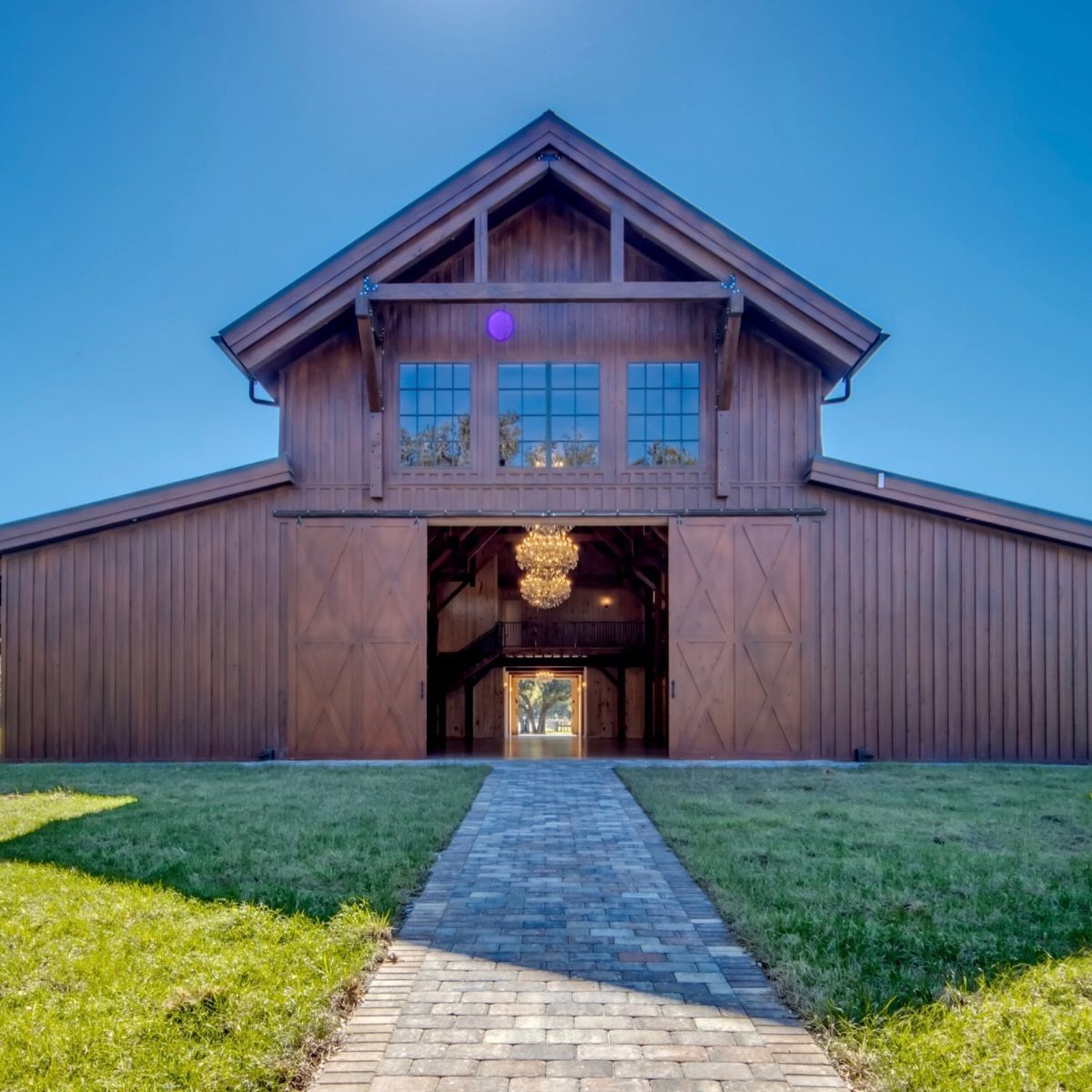
Dark-stained timber and exposed beams give a barn its warmth, but sliding doors do the practical work: they open the interior to the lawn for cocktail hour or let breeze through a summer reception.
Stone walkways handle heels better than gravel, which some barns use; ask before you commit.
These venues read casual but still need full service.
You will rent tables, lighting, and often climate control. The countryside feel is free; the infrastructure to make it comfortable is not.
4. Vineyard Estates
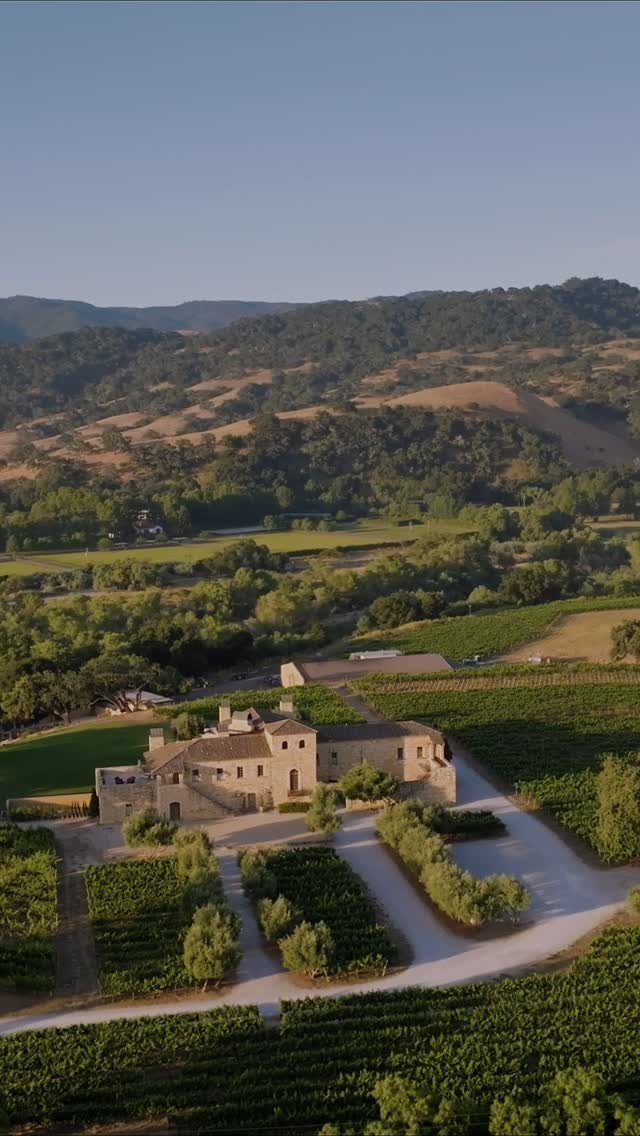
Rows of grapevines give a ceremony aisle natural geometry that no rental company can match.
A Tuscan-style stone estate among rolling hills reads as destination wedding without the passport requirement; Temecula Valley and East Texas both run venues at this scale, with poolside gazebos and grand event halls as backup.
Wineries often bundle tasting into the rehearsal dinner or welcome drinks, which saves a separate venue search.
Fall weekends at vineyard estates book far in advance, and vineyard access may be restricted during picking season. Spring offers green growth without the crowds.
5. Victorian Mansions
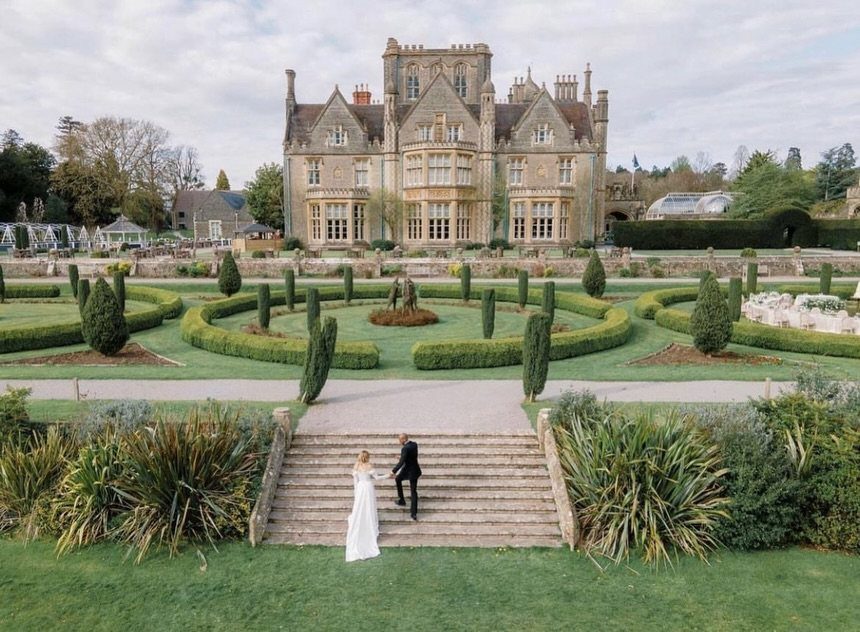
Intricate architecture does the decorative work so you spend less on flowers and draping. A stone mansion with formal garden stairs gives processional geometry that flatters photographs; couples can use the slope naturally rather than posing against it.
Period interiors limit what you can change. The Shirley-Eustis House in Boston preserves original room proportions and detailing, which means no moving walls or covering fireplaces.
Check whether their preserved spaces match your guest count before falling for the facade. Hourly hire from $195 adds up fast on a full day.
6. Coastal Estates
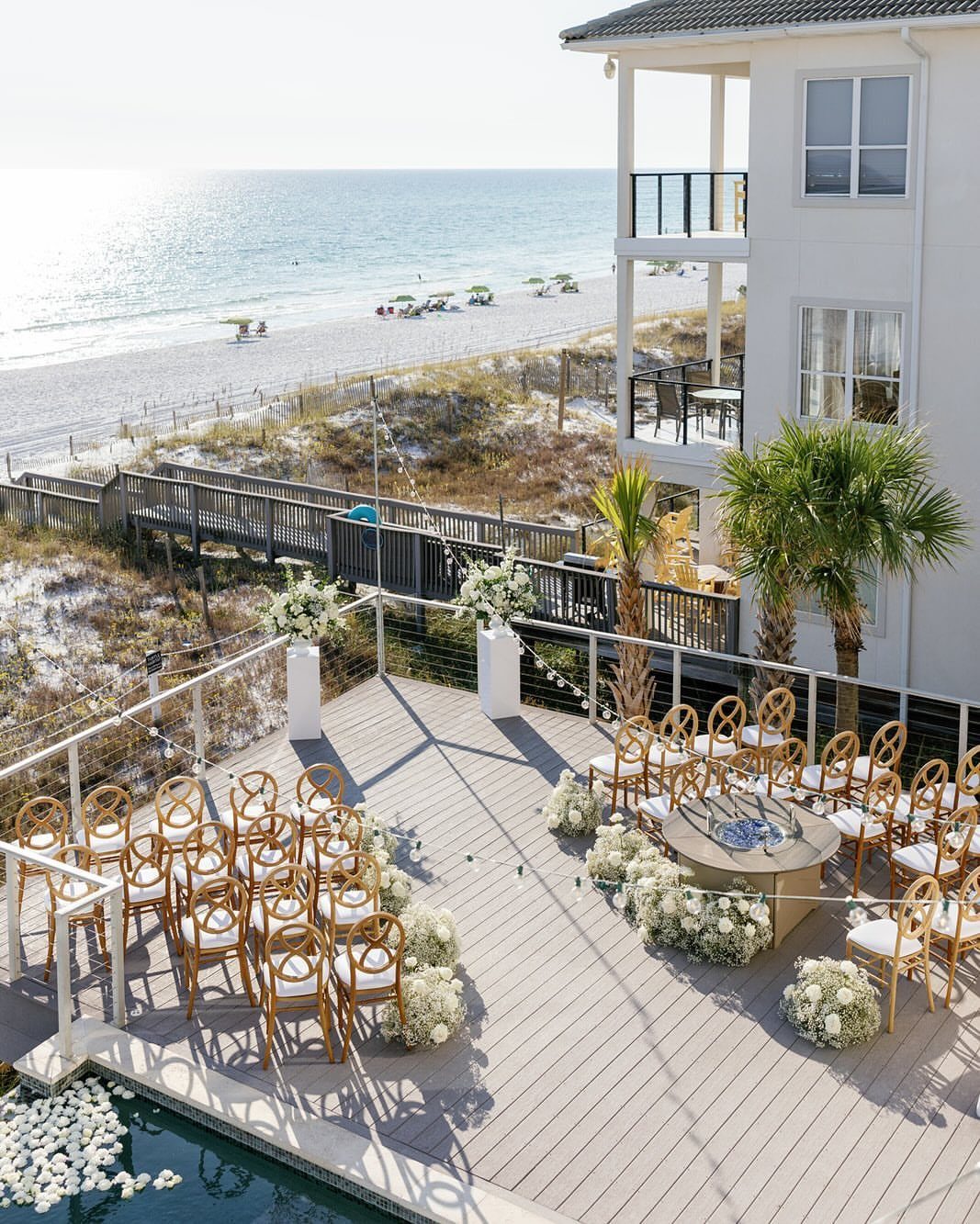
Sand and salt air define the look, but a wooden deck is what makes it workable: level footing, defined rows, and no chairs sinking into dunes.
The beach house beside it gives the wedding party a place to prepare without separate hotel blocks.
Tide times and wind direction matter more here than at any other venue category.
Morning ceremonies beat afternoon gusts on most coasts, and a backup room with an ocean view saves the day when fog rolls in. The serene atmosphere is free; the structure that preserves it is what you pay for.
7. Grand Ballroom Reception Hall
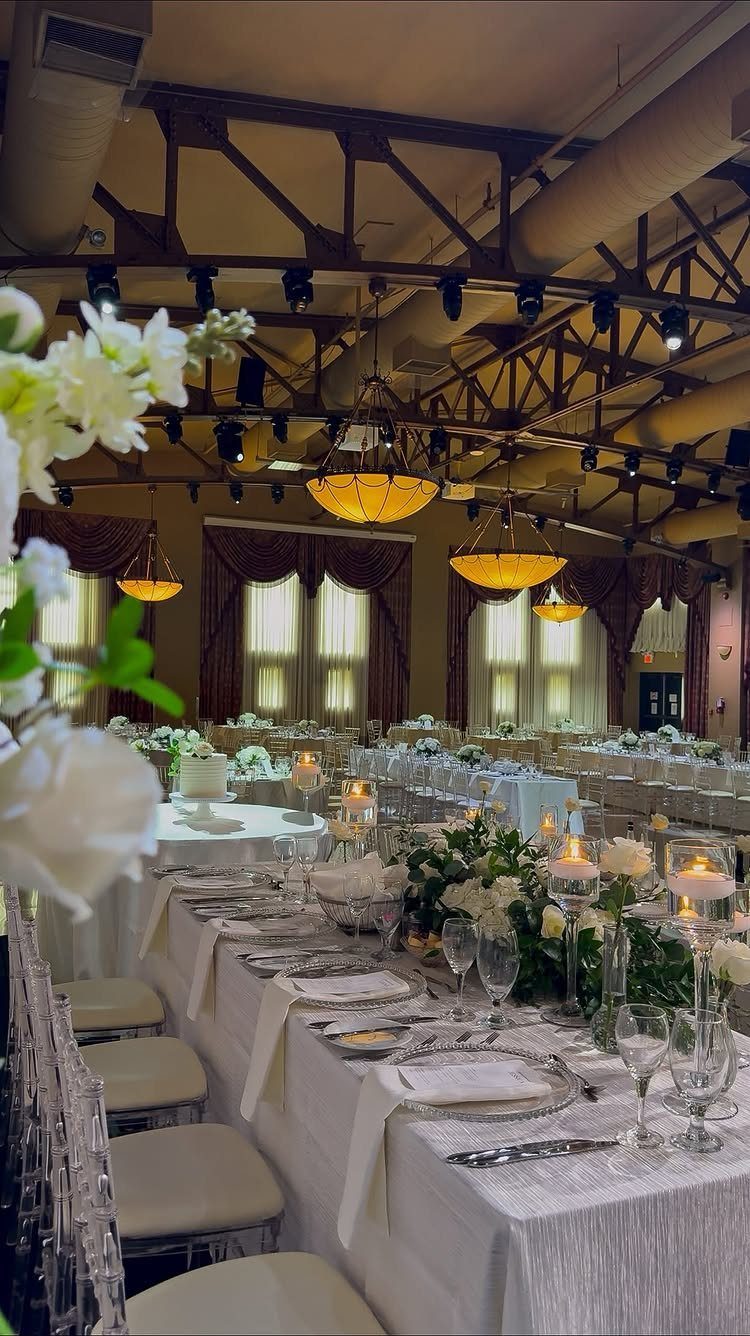
High ceilings and amber chandeliers give a ballroom its scale, but the real work happens on the floor: long tables let conversation flow across the room in a way rounds do not, and exposed ductwork above them adds industrial texture that keeps formality from reading as stiff.
These spaces package service. Catering, bar, tables, linens and cleanup roll into one contract, which saves coordination but limits outside vendors.
Ask what is mandatory and what you can swap before signing. Crystal fixtures and white tablecloths are standard; bringing your own florist or cake baker may cost a corkage-style fee.
A grand ballroom suits the couple who wants guests seated together in one room rather than wandering a property. The trade is intimacy: a crowd under one ceiling feels ceremonial, but you will not steal a quiet moment outdoors.
Budget Considerations
Classic venues on the full-weekend buyout model run from $5,000 to $50,000, which typically bundles guest rooms, event space, and exclusive use.
That top number is not a typo; it is the cost of a three-day estate rental with overnight accommodations for 8 to 30 rooms.
Not every couple needs the whole weekend. Hourly hire at preserved historic buildings looks cheap until you multiply it across ceremony and reception hours; a flat-rate buyout often costs less once you count the full stretch.
A venue that requires its approved caterer may save you coordination or may cost more than bringing your own.
Venue Capacity
Guest counts at classic venues spread wide: some sleep as few as 15 overnight, others accommodate 260 across a wedding village of multiple buildings.
The number that matters is not the property’s maximum but the capacity of the specific room or garden where your ceremony happens.
A Victorian mansion preserves original proportions that cannot change. That drawing room you fell for might seat 40 or 140; ask for the seated count before you picture your people in it.
Botanical gardens and historic estates often have multiple spaces with different limits; the conservatory that fits 80 for dinner may seat 120 in the lawn tent, with two rental contracts attached.
Ask each venue for its numbers at seated dinner spacing, cocktail standing room, and the backup indoor plan if weather turns.
Booking Timeline
A year ahead is the practical minimum for a Saturday in peak season, not because venues enjoy saying no but because another couple already asked.
The timeline changes with flexibility. Friday evenings and Sunday mornings move slower at nearly every venue type, and a garden in April or October faces less competition than June.
Coastal estates run on tide times and wind direction; morning ceremonies dodge afternoon gusts and sometimes snag slots the sunset crowd skipped.
Your contract start date matters too. A full-weekend buyout means the venue is yours from Friday to Sunday, which sounds generous until you realize every guest room night is part of the calculation.
Book the year out for the date, then confirm your hold includes the nights you need and not the ones you will pay for and leave empty.
Personalization Options
The best personalization does not fight the venue; it uses what is already there. Personalization options at a classic wedding venue are not compromises; they are choices that let the place speak.
Where the venue is neutral, add the personal layer yourself. A unique guest book, a Polaroid station, a song played where you had your first date: these travel with you and cost little.
Your regular date-night spot is not a classic venue in the usual sense, but the same logic applies. Choose details that reflect who you are rather than covering an unfamiliar space with signs that this is special.
Work with the constraint. A preserved ballroom with crystal fixtures and white tablecloths is already complete; your personalization arrives in the people seated at the long tables, not in the linens you rented to cover them.
Frequently Asked Questions
What makes a classic wedding venue?
Classic wedding venues carry architecture or landscape that has already lasted generations: historic estates with stone frameworks and crystal chandeliers, botanical gardens with permanent plantings, Victorian mansions with preserved interiors.
The formality is built in, not rented. What makes them classic is that the setting itself provides the elegance rather than decoration you bring.
How much does a classic wedding typically cost?
Classic venues on a full-weekend buyout run from $5,000 to $50,000, which usually bundles guest rooms, event space, and exclusive use. Hourly hire looks cheaper at first but often costs more once you multiply across ceremony and reception hours.
Is $10,000 a lot for a wedding venue?
A five-figure venue budget sits at the modest end of what classic estates and ballrooms command. It can cover a flat-rate buyout at some historic buildings or a smaller estate, though a full-weekend buyout with guest rooms typically starts higher.
The real measure is what the fee includes: a venue that bundles catering, tables, and linens may save enough elsewhere to bring the total in under budget.
What styles pair well with a classic wedding aesthetic?
Natural florals, textured linens, and candle lighting complement the formality without competing with it. The best pairing works with the venue’s existing architecture rather than covering it.
What are some classic themed wedding ideas?
A unifying idea that runs through clothing, flowers, and signage can tie a classic venue into something personal.
A fairytale mansion works as a base for couples who want to layer in personal themes through custom signage and floral choices that mix formal romance with fantasy.
The theme works when it draws from the venue’s existing character rather than fighting it.
What makes a perfect wedding venue?
The perfect venue is one that already feels like somewhere you would spend time together.
A place that holds memories, reflects how you actually live, and lets you feel like yourselves beats one that photographs well but means nothing. The right question is not what looks perfect but where you feel most comfortable together.