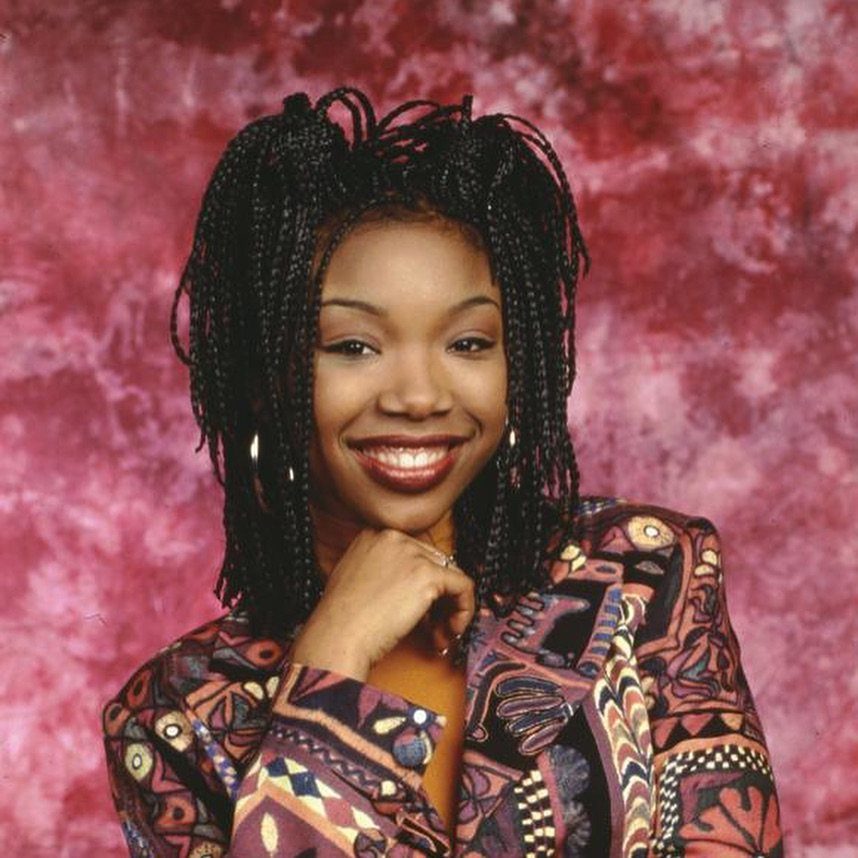
These hairstyles from the ’90s and 2000s range from a quick claw clip twist to a finger wave set that eats up most of your morning, and the one that ends up on your head depends on whether you own a crimping iron and have the patience to use it.
Kelly Clarkson’s American Idol chunky highlights are in here, and so is the zig zag part that takes 2 hands and a rattail comb to get straight.
1. Pixie Cut
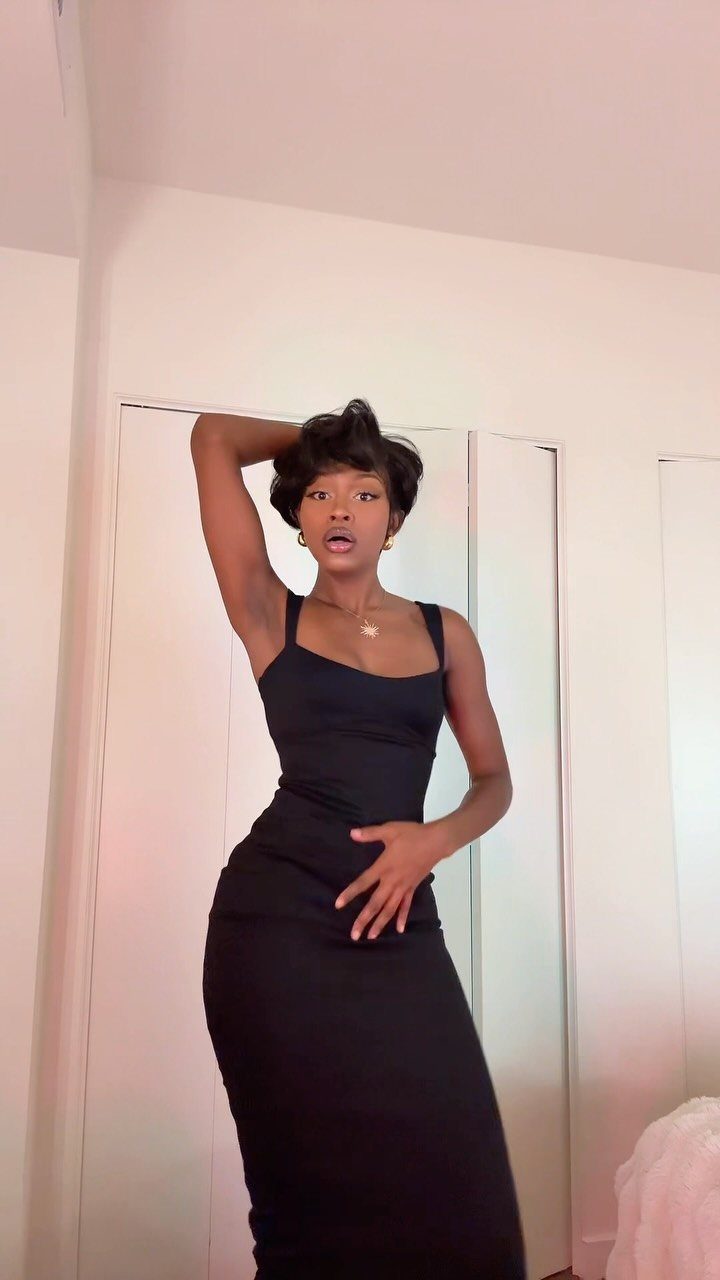
A pixie cut sits close to the head with textured layers that give it movement instead of looking like a helmet.
A slightly grown-out pixie softens the boyish shape and was the look that defined the early Spice Girls era. One version of this cut stuck around so long it became a signature, still worn in new forms today.
I like this cut on people who want to wash and go.
A dry molding wax keeps the texture piecey rather than flat, and you can part it deep, slick it down, or let it air dry with your natural wave.
The catch with a pixie is upkeep: regular trims keep the shape, and growing it out means an awkward middle phase. Check that your stylist has done short cuts before; a bad pixie is hard to fix.
2. Bubble Braids
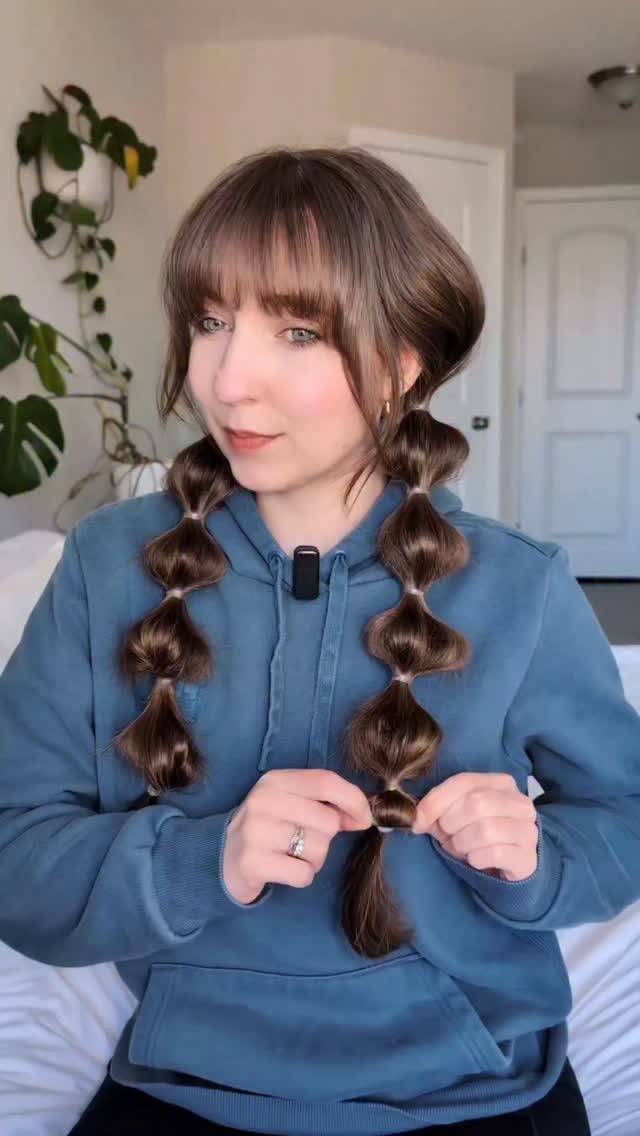
Bubble braids work on any hair that holds an elastic, straight or curly. You section the hair with clear elastics spaced down the length, then tug each section outward to form the round shape.
For 2 pigtails, part down the middle and secure each side at the crown.
Space elastics down the length of your hair, pulling gently to puff each bubble without snapping the band. Curly hair gives you fuller bubbles with less effort; straight hair needs a little backcombing at each section for the same volume.
The square-parted version with hair piercing adds an extra layer if you want to push further into Y2K territory. Leave the bubbles smooth or rough them up for a messier finish.
3. Feathered Bangs
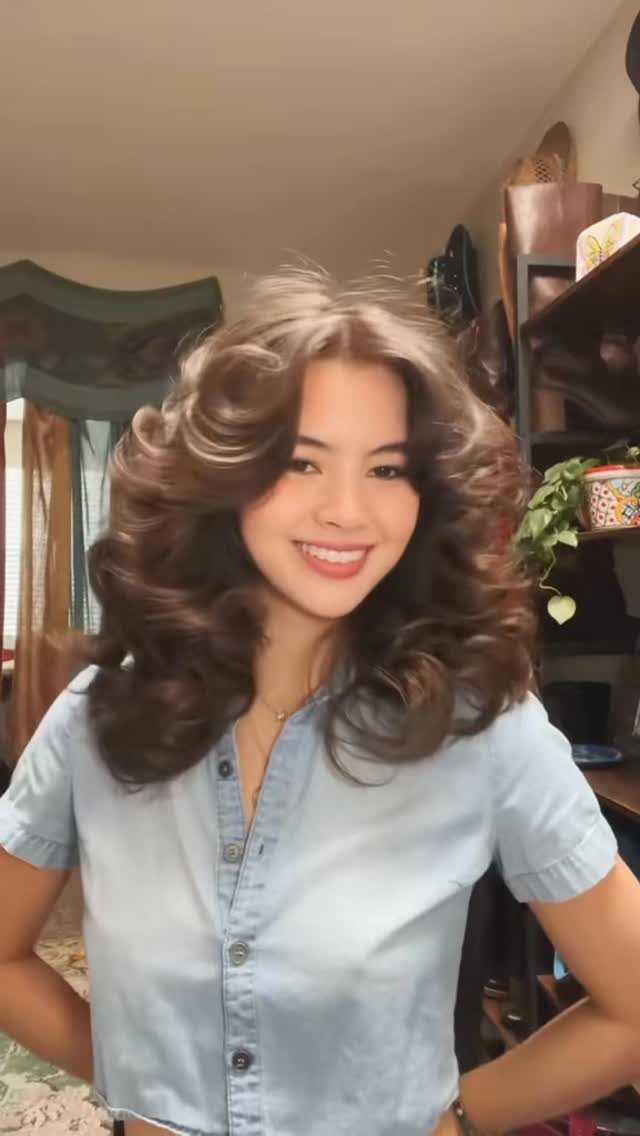
Feathered bangs are cut longer at the sides and shorter in the middle, then blow-dried with a round brush so the ends curve away from the face instead of hanging straight.
Kelly Bundy and Kelly Kapowski both wore them, which tells you how universal they were.
These suit people who want bangs without the heavy commitment of a blunt fringe. The wispy edges grow out gracefully, and they pair with long hair or a bob.
Ask for the center to hit at or just below eyebrow level, with the sides tapering longer so you can sweep them back when you want the face clear.
A wispy fringe needs frequent trims to keep the feathered shape from going mullet; budget that in before you commit.
4. Chunky Highlights
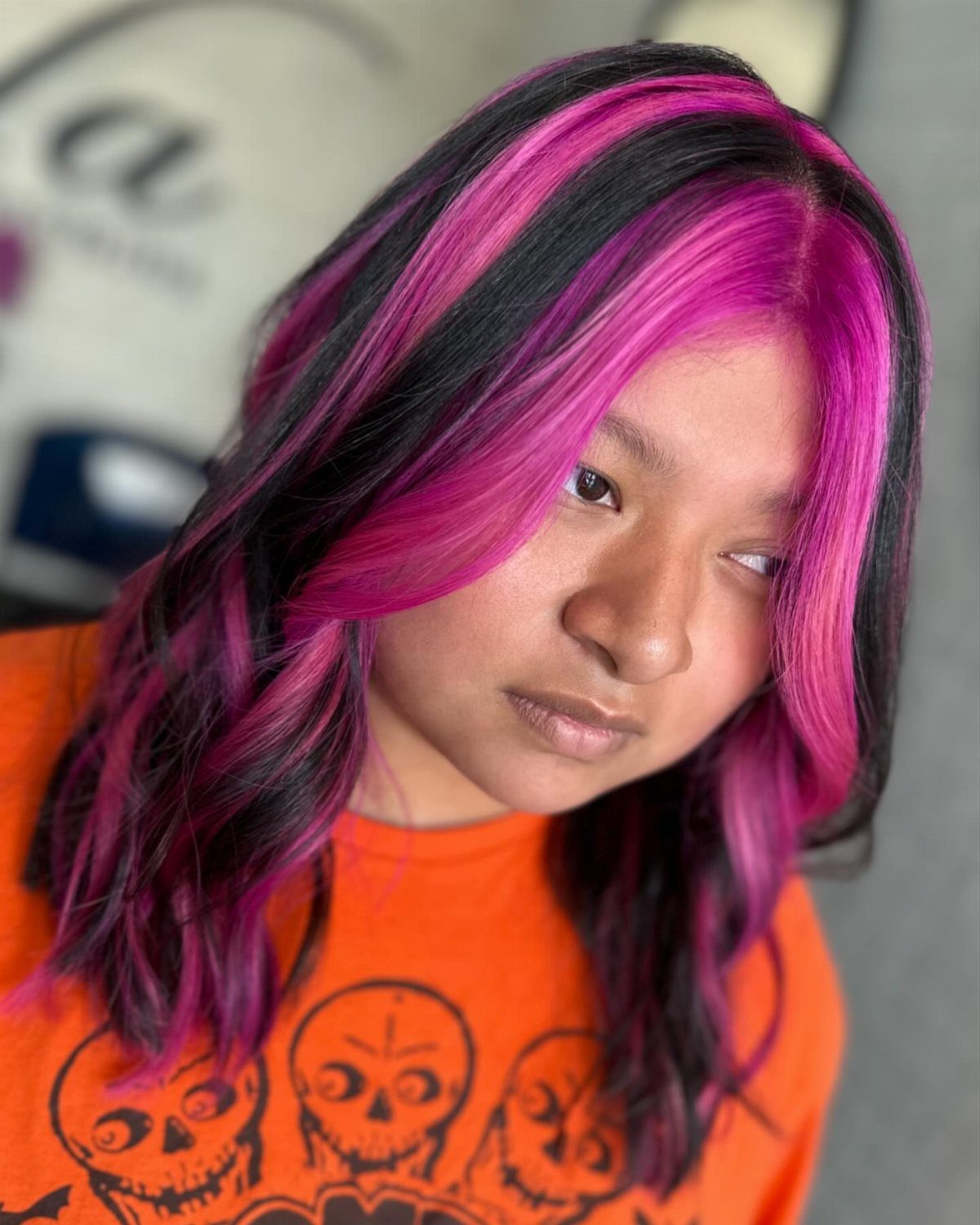
Chunky highlights are thick ribbons of color, not the blended babylights that took over in later years.
Kelly Clarkson wore them on American Idol; Ginger Spice placed hers bold and face-framing. Today’s version spaces the chunks throughout the head but keeps the contrast sharp.
This is not a DIY project. The process needs both highlights and lowlights to keep the bold sections from looking like stripes, and the placement matters for how the color frames your face.
Jackson Simmonds, a celebrity colorist, notes that clients are asking for this again as a louder alternative to the money piece.
Darker bases carry the contrast best. Budget for a salon visit and color-protecting shampoo afterward; the maintenance is real, but the result is pop-star level.
5. Messy Bun
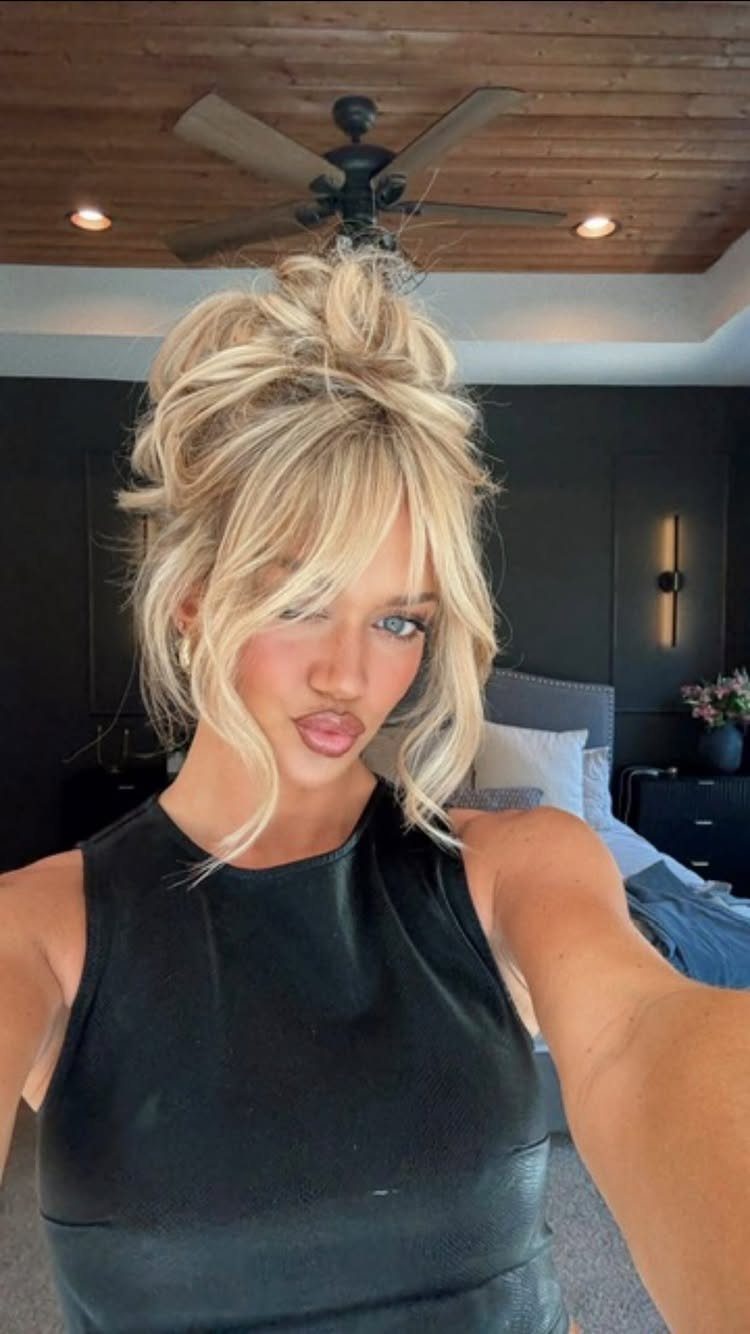
The messy bun of the late ’90s and early 2000s was deliberately imperfect: pieces falling out, texture from a crimper or natural wave, sometimes held with butterfly clips.
Jennifer Lopez wore hers with face-framing strands; another well-known version left specific pieces hanging down by design.
To build it, choose your loose strands first before you gather anything. Pull the rest back with your fingers, not a brush, and twist into a bun without tucking the ends all the way in.
Secure with a claw clip or pins, letting the tail stick out where it wants. A crimper adds the texture that straight hair lacks for this look.
The grunge variation leaves even more out, front and back. This is a quick style that reads as intentional only if the pieces you leave down are chosen, not accidental.
6. Flipped Out Bob
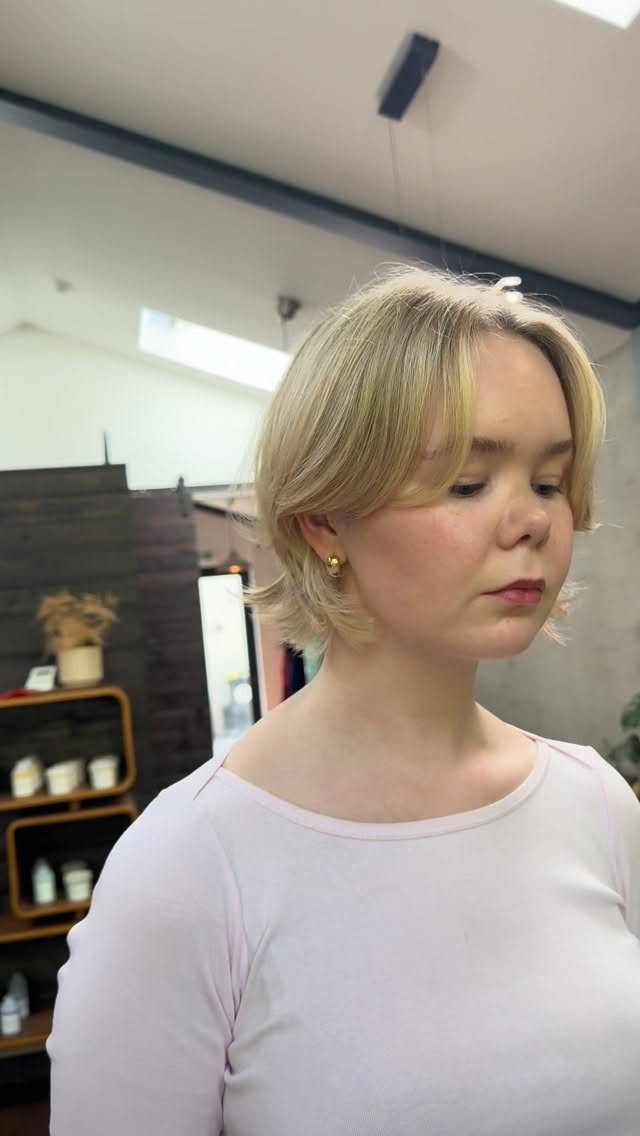
A flipped-out bob ends with the bottom turning outward instead of curling under, paired with a center part that gives it symmetry.
Naomi Campbell wore this in the ’90s and still wears versions now; Mary-Kate and Ashley Olsen made it their signature as teenagers.
The modern take keeps the ends less uniform, more piecey. A texturizing spray helps you get that lived-in separation without the helmet look of too much styling.
Chin length works best for the flip to turn outward at the right point; shorter and it sticks, longer and the weight pulls the flip out.
I would check your natural wave pattern first: hair that wants to flip on its own needs less heat, and less heat means less damage.
A round brush and a blow dryer with a nozzle are enough; the flat iron flip is too sharp for this version.
7. Blunt Bob
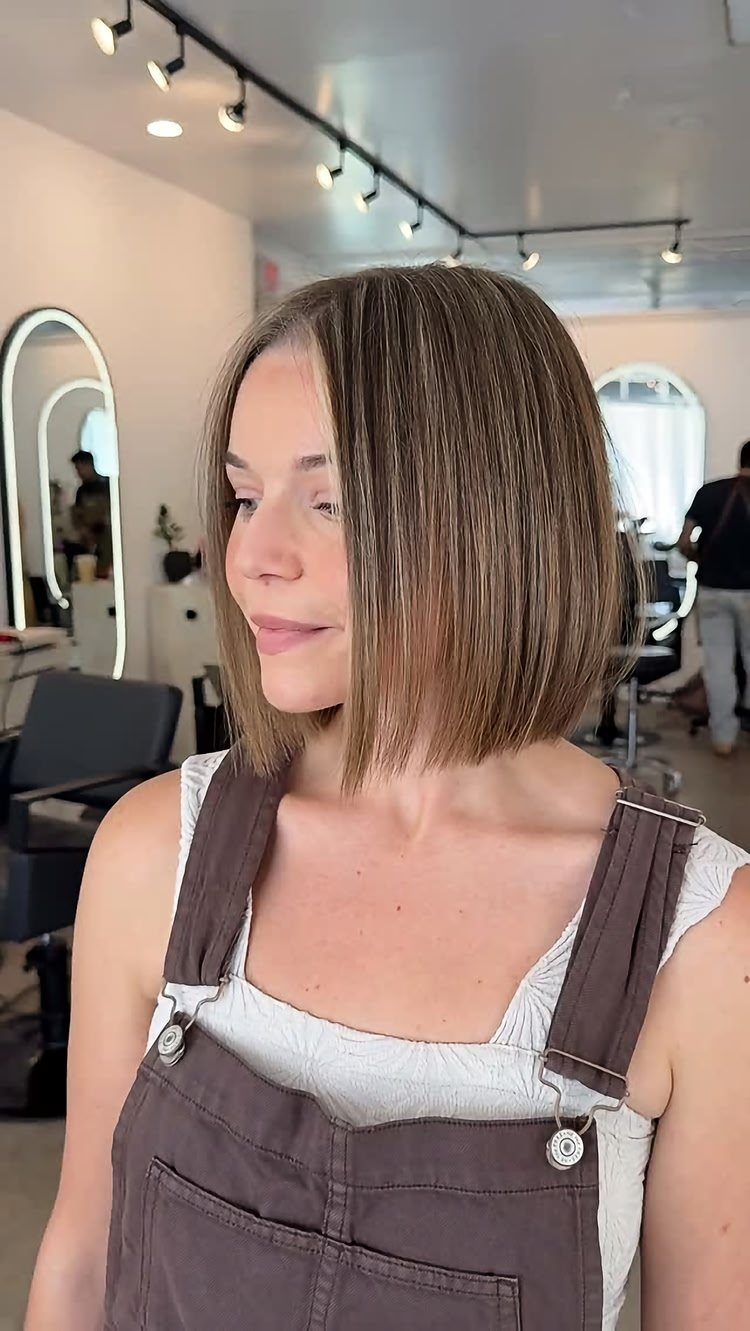
A blunt bob ends in a single straight line with no layers, cut sharp across at chin length or just below.
Drew Barrymore wore this in the ’90s, and Britney Spears kept hers at shoulder length with that era’s frosted makeup to match.
Today’s version is more lived-in: slightly shorter, less precise, with a light hair oil to tame flyaways rather than shellac it flat.
I like it tucked behind one ear for asymmetry. The cut suits straight or wavy hair best; curls fight the line and need more heat to comply.
Check that your stylist cuts it dry, since wet hair shrinks up and the line changes. Growing this out means an awkward phase where the ends flip; regular trims keep it true.
8. Face-Framing Layers
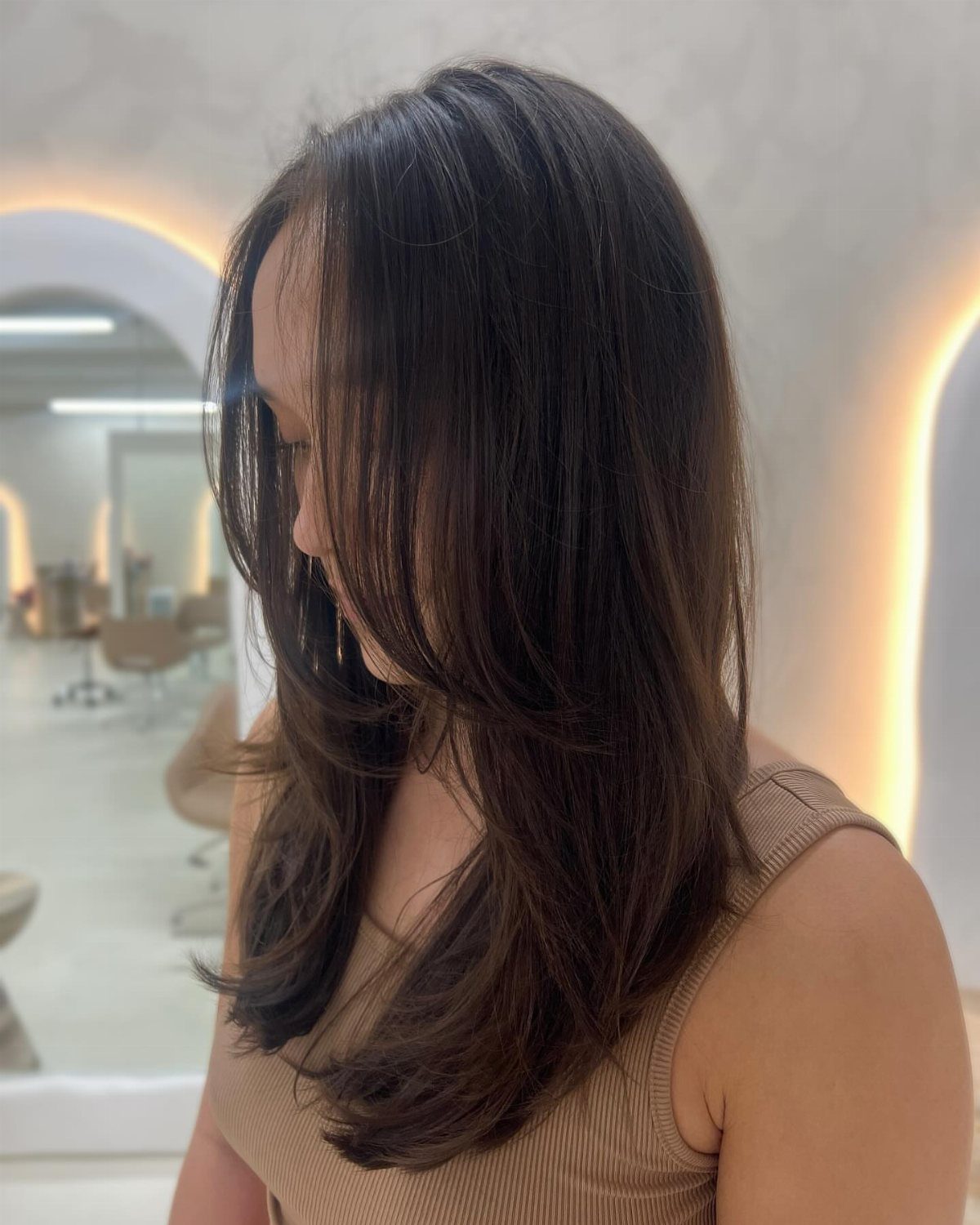
Face-framing layers start at the cheekbone or jaw and curve inward to emphasize bone structure while the rest stays long.
Gisele Bündchen and Adriana Lima both wore this cut in the early 2000s, which tells you how much runway mileage it had.
This suits people who want change without losing length.
Ask for longer, heavier layers rather than wispy ones; the weight keeps the shape from going stringy. A round brush blowout activates the curve, but the cut works air-dried too if your natural wave cooperates.
I would check your face shape before committing: wide layers at the jaw add width there, which helps some faces and not others. The grow-out is forgiving, which matters if you are between cuts.
9. High Ponytail
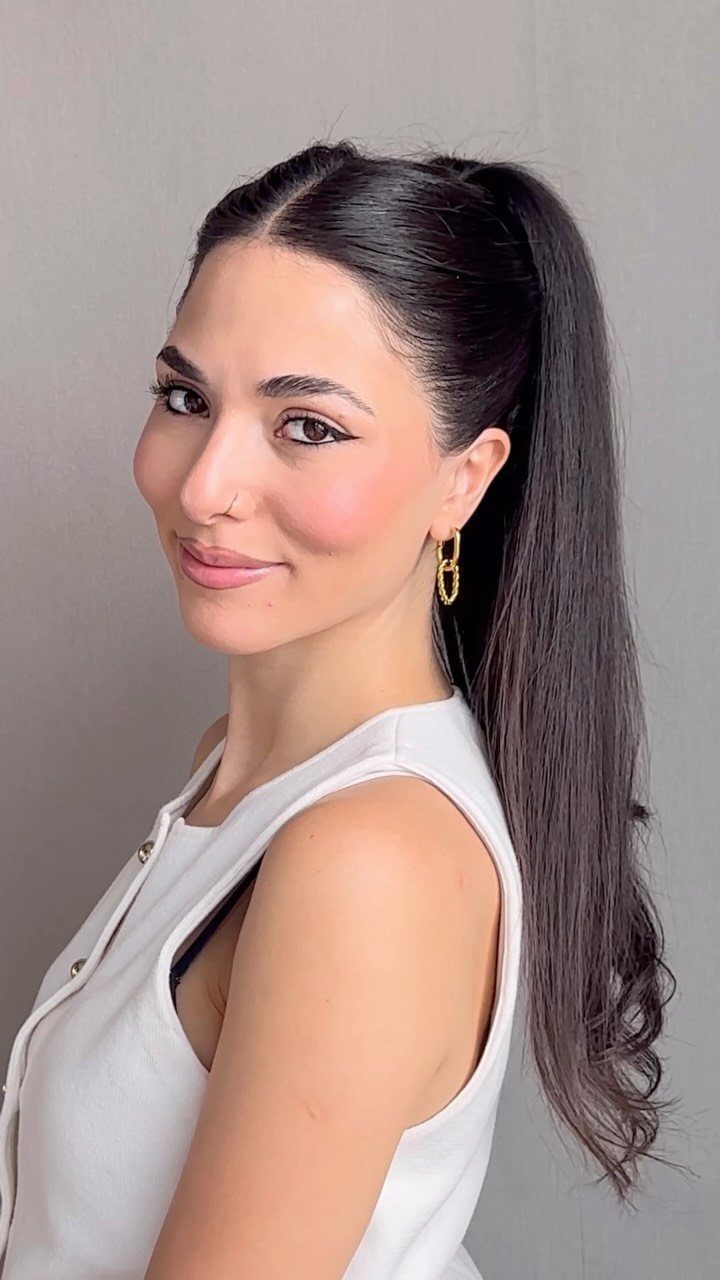
The ’90s version left face-framing strands soft; the 2000s version went tighter, more lacquered.
Smoothing the hair first with a hot brush or blow dryer makes the gathered ponytail sit cleaner. Finger-comb it up to find the placement that lifts your face, then secure with an elastic.
A second elastic wrapped around the base covers the band and adds bulk. A flexible-hold hairspray finishes it without the helmet crunch.
This style trades comfort for look: a pony this high pulls at the hairline over hours. Loosen the strands at your temples if you want to wear it past dinner.
10. Finger Waves
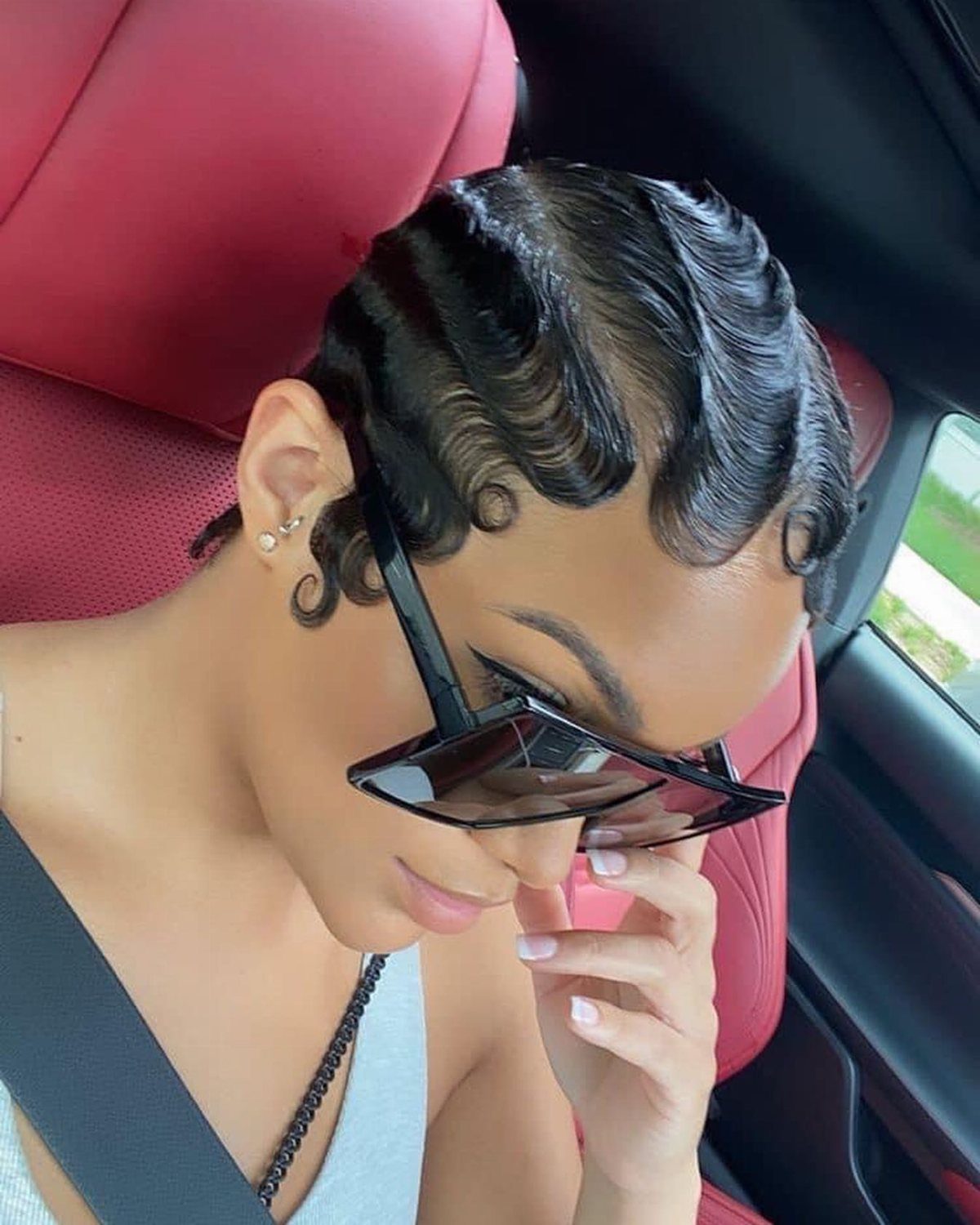
Finger waves are S-shaped ridges pressed into wet hair with a comb and held with strong gel, not heat.
Missy Elliott and Nia Long wore them in the ’90s, and the style reads as red-carpet now because it takes effort most people skip.
Work a strong hold gel through damp hair, then use a fine-tooth comb to shape each wave while pressing one finger into the groove to set the curve.
The gel has to dry completely before you touch it; rushing leaves fingerprints and flat spots. This suits short to medium hair best; long hair gets too heavy and the waves fall out.
I like this for events, not every day: the setup takes time and the gel stiffness is real. A silk scarf tied over it while drying helps the shape hold.
11. Bantu Knots
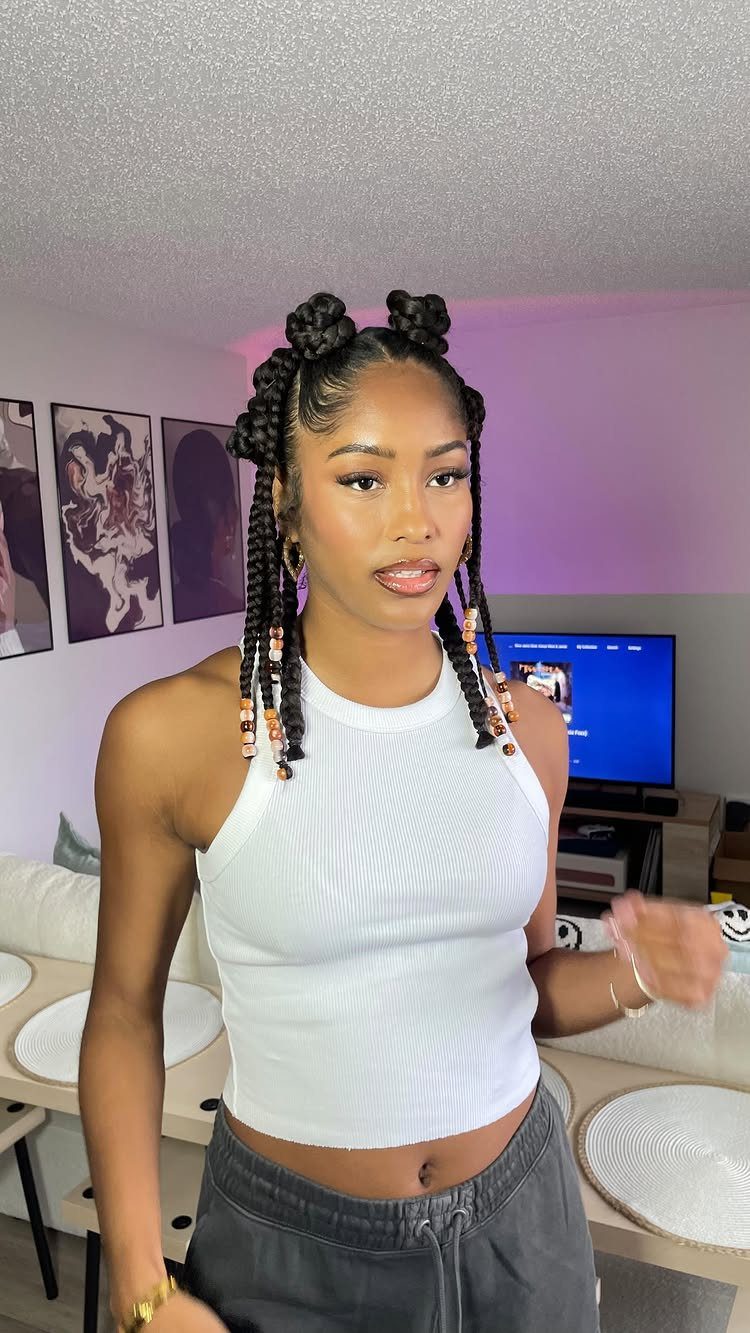
Bantu knots are small, coiled sections twisted down to the scalp and secured, worn as knots or taken down later for curled texture.
The style has roots far deeper than the ’90s, but it was Janet Jackson and Scary Spice who put it on MTV then.
Section hair into small parts, twist each until it coils on itself, then wrap the end around the base and tuck it in.
The size matters: smaller knots give tighter curls when you take them out, larger ones give looser waves.
Beads at the ends, like the visible version shows, add weight and sound but are optional. This works on natural textures 3A and up; straight hair slips and needs product to hold.
Sleeping in them takes adjustment. The real reward is the takedown: defined curls without heat, lasting through multiple days with care.
12. Zig Zag Part
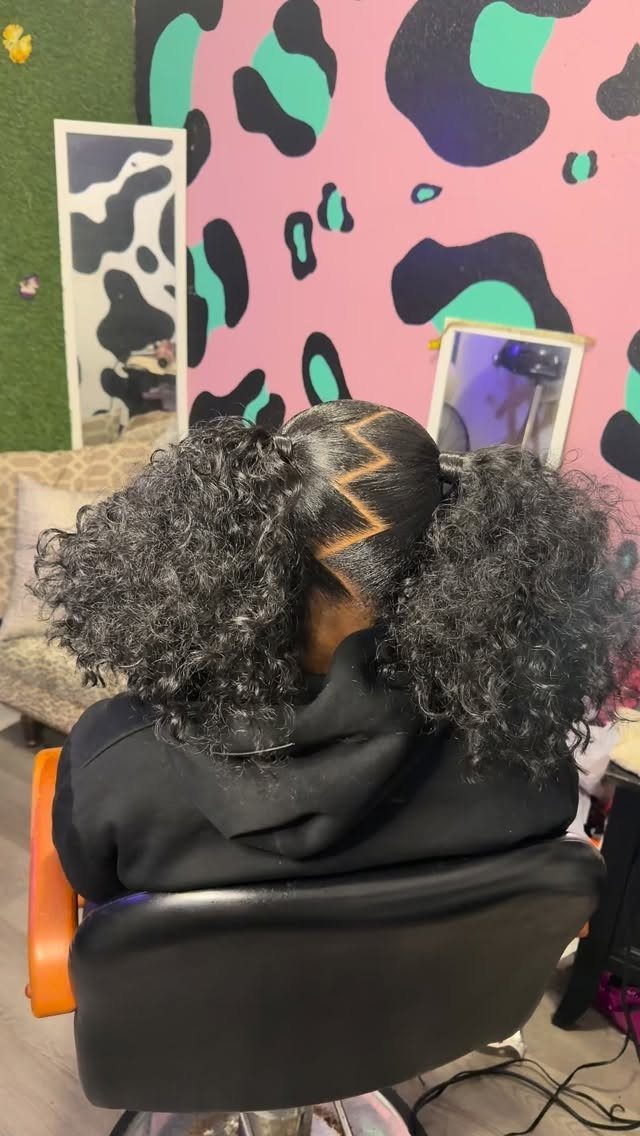
A zig zag part divides the hair in sharp angular peaks rather than a straight line, adding lift at the roots where a regular part lies flat.
The visible version pairs it with 2 high pigtails, but the part works alone too.
Use a rattail comb or the pointed end of a fine comb to trace the zig zag from forehead to crown. The sharper your angles, the more the roots lift and separate.
Curly hair shows the pattern most dramatically; straight hair needs texture spray or a light tease to keep the peaks from collapsing. This part eats time at first: your non-dominant hand fights you, and symmetry is hard to eyeball.
I would practice before any day that counts. The look reads playful, not corporate; save it for weekends or nights where that energy fits.
13. 90s Grunge Waves
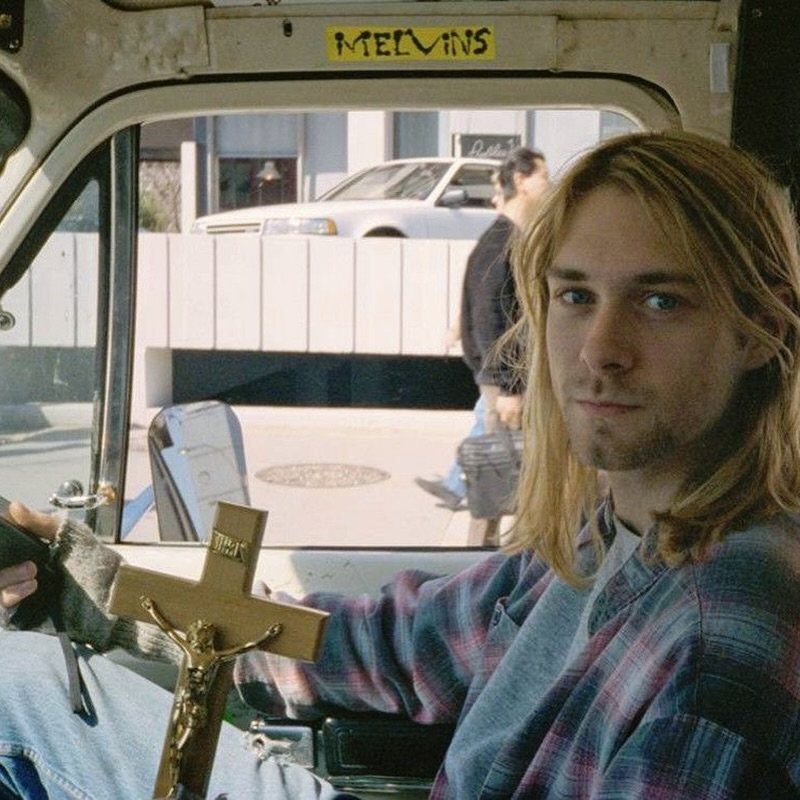
Grunge waves look slept-in on purpose: shoulder-length hair with shaggy layers that bend every which way, held by texturizing spray rather than product-heavy definition. The visible version pairs them with a plaid flannel, which tells you the dress code.
This suits anyone who wants volume without the work of a blowout. Ask your stylist for shaggy layers that hit at or below the collarbone; too short and you lose the movement, too long and the waves drag.
A dry finishing spray gives the matte, tousled finish without the crunch of old-school mousse.
Air-dry or diffuse, then scrunch. These waves do what they want; the whole idea is letting them.
14. Claw Clip Updo
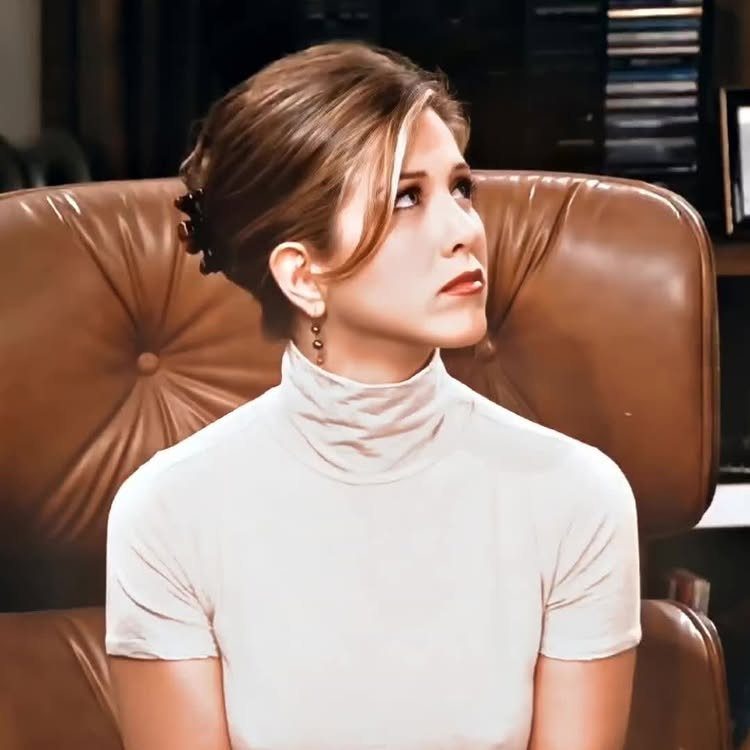
The claw clip comeback makes sense once you try it: hair twisted up in seconds, held by teeth instead of tension, with strands left loose to soften the face.
The visible version keeps it casual, seated in an office chair with pieces falling where they want.
This works on thick hair best; thin hair slips and needs more twists to fill the clip. Gather hair at the nape or crown, twist upward, and clamp.
The clip should feel secure but not tight; scalp tension builds over hours. Plastic claws come in tortoiseshell, clear, or color, and the choice reads as accessory.
The claw clip keeps coming back because it lets you do something with your hair that looks like you, not like you spent an hour on it.
I would keep one in my bag for days when a ponytail feels too done.
15. Crimped Waves
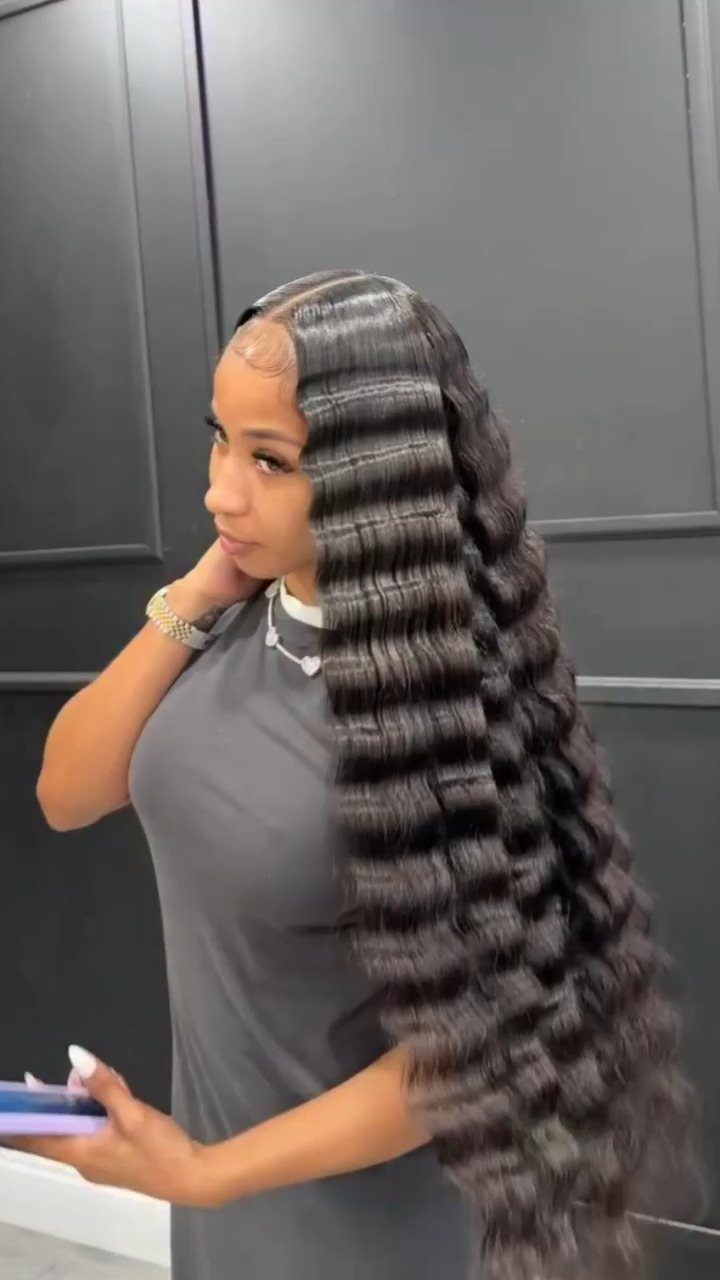
Crimped waves are deep, uniform zig zags pressed into the hair, not the soft waves of a curling iron. The visible version shows them long, dark, and full against a paneled wall, which lets the texture carry the look.
A crimping iron does the work: clamped sections held for several seconds, worked from roots to ends or starting below the crown for a more modern root.
The result is volume that lasts, since the bend is structural. Hair.com notes the style moved from ’80s novelty to ’90s staple, and TikTok brought it back.
This taxes hair with double the heat of a single pass; heat protectant is non-negotiable. The Y2K version keeps it sleek at the top; the full throwback starts at the scalp.
16. Side-Swept Bangs
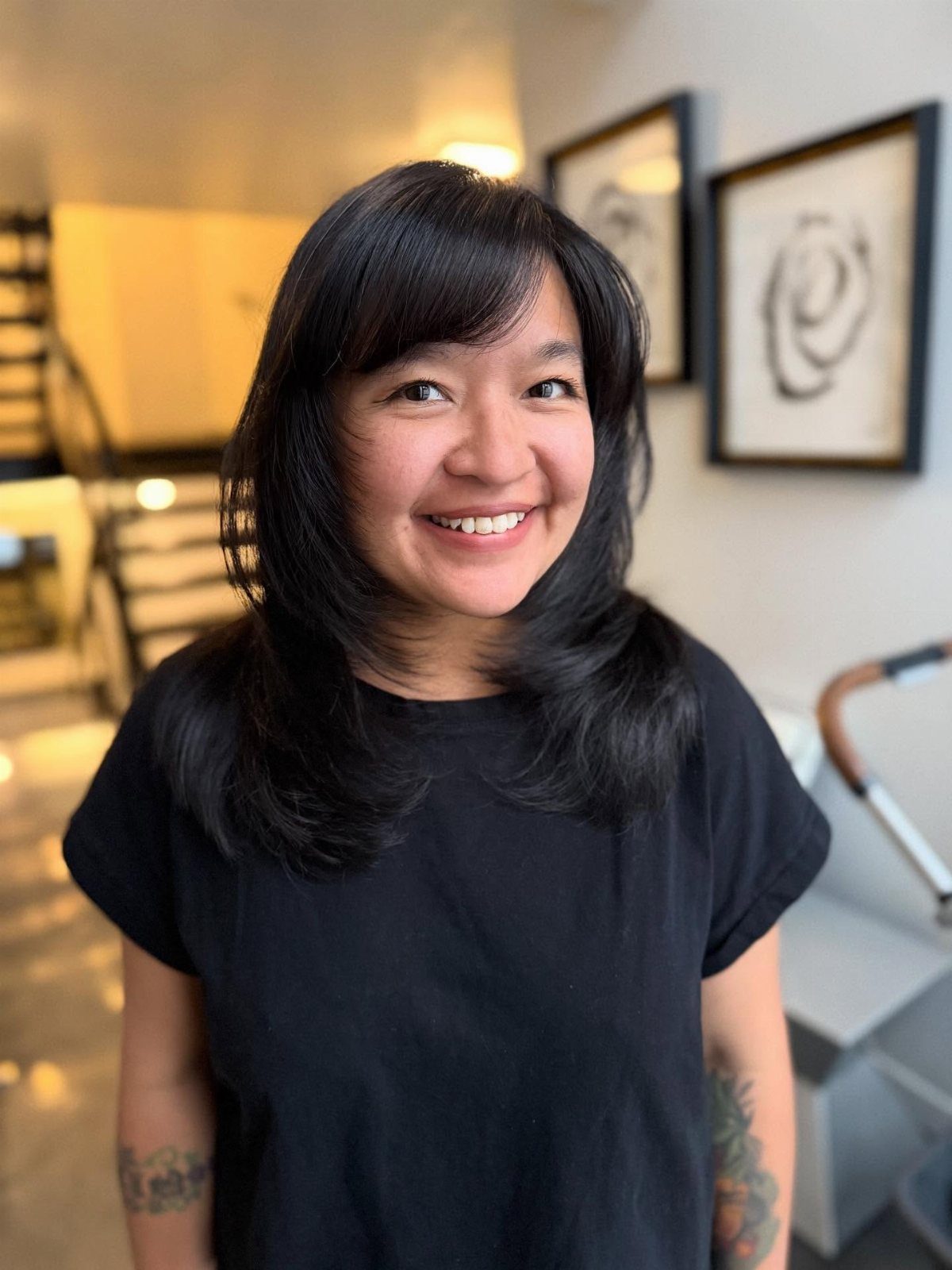
Side-swept bangs fall across the forehead and break to one side, blending into longer layers rather than standing alone. The visible version pairs them with shoulder-length black hair, swept from a deep side part that gives them direction.
You get coverage around the face without having to go all in on a blunt fringe.
The angle grows out gracefully; Mariah Carey wore hers with curls that merged bang into wave. Ask for length that hits at or below the cheekbone on the short side, tapering longer as it moves away from the face.
Check your natural part before cutting; forcing a sweep against where hair wants to fall means daily fighting.
17. 90s Supermodel Blowout
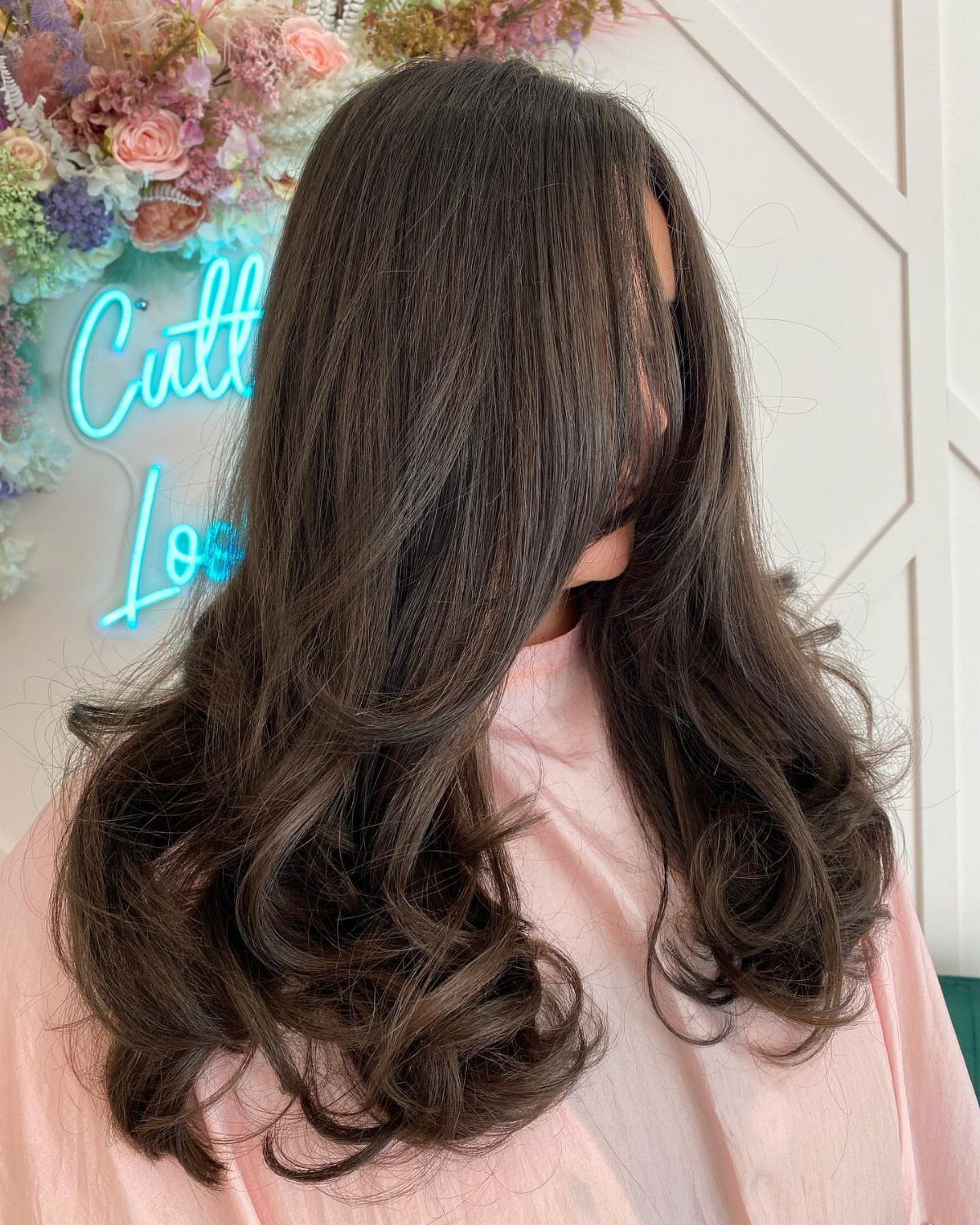
The supermodel blowout is big, bouncy hair with volume at the crown and soft curls through the ends, the kind Cindy Crawford wore on red carpets.
Hot rollers are the period tool and still the easiest path: set on dry hair, cool completely, then brush out for the merge of curl and movement.
This is the blowout that defined the decade in magazines. Modern versions keep it softer, more finger-runnable, using a lightweight volumizer like Redken Big Blowout Heat Protecting Jelly Serum before drying.
Plan on extra time under the dryer; this shape falls flat fast once the humidity hits. I would book the effort for nights that matter, not Tuesday.
18. Half-Up Pigtails
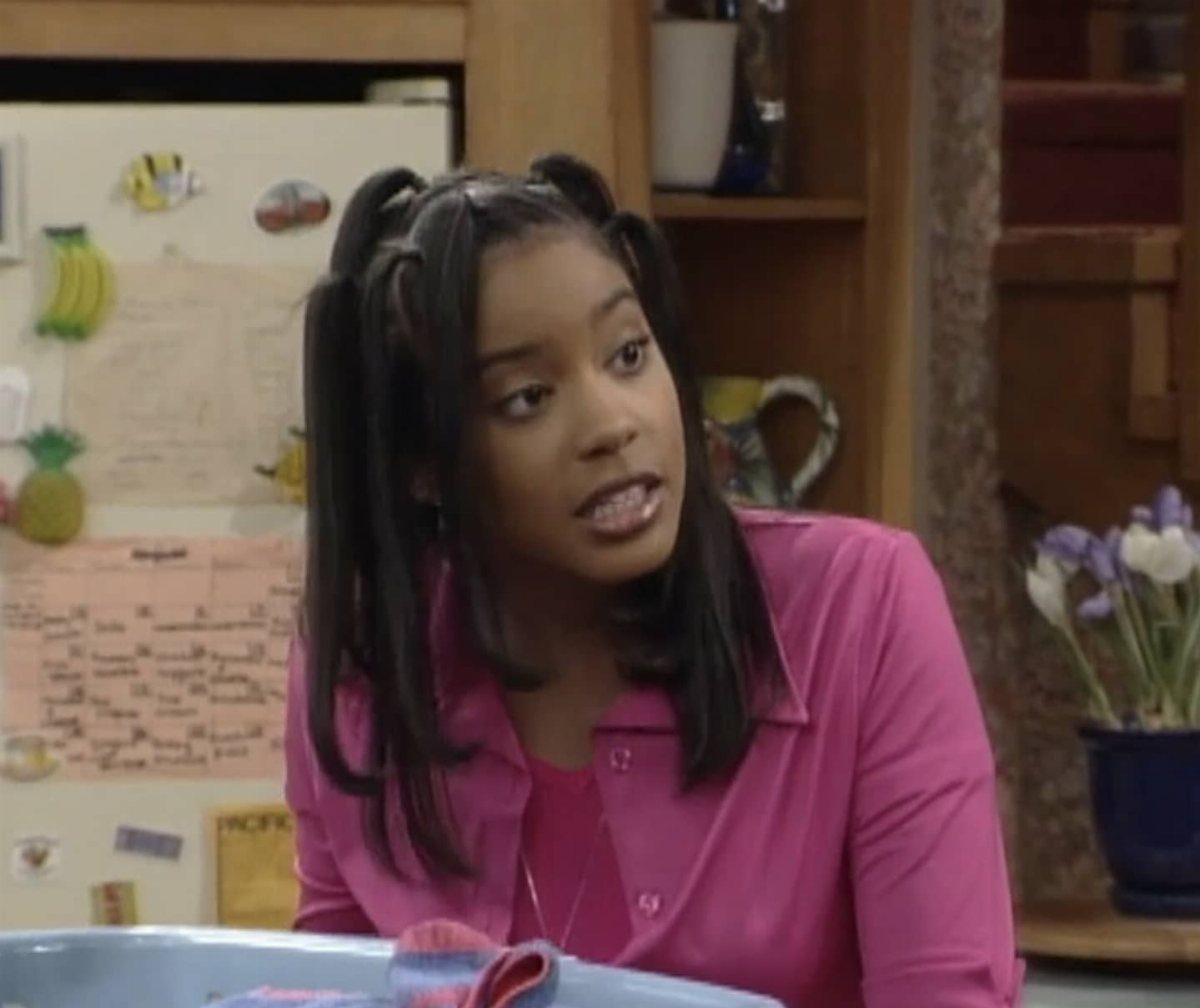
Half-up pigtails gather the top section into 2 high placements while the rest falls free, front tendrils optional.
Britney Spears made this iconic in the "Baby One More Time" video, and the comeback works because it reads playful without the full school-uniform commitment.
Section from temple to temple or higher, secure with clear elastics, and pull a few pieces loose at the hairline. French braid variations tighten the look for adults who want the shape without the sweetness.
Fine hair needs backcombing at the crown to match the volume of thicker textures. This style announces itself; I would wear it where that registers as fun, not where it reads as costume.
19. Styled Edges and Baby Hairs
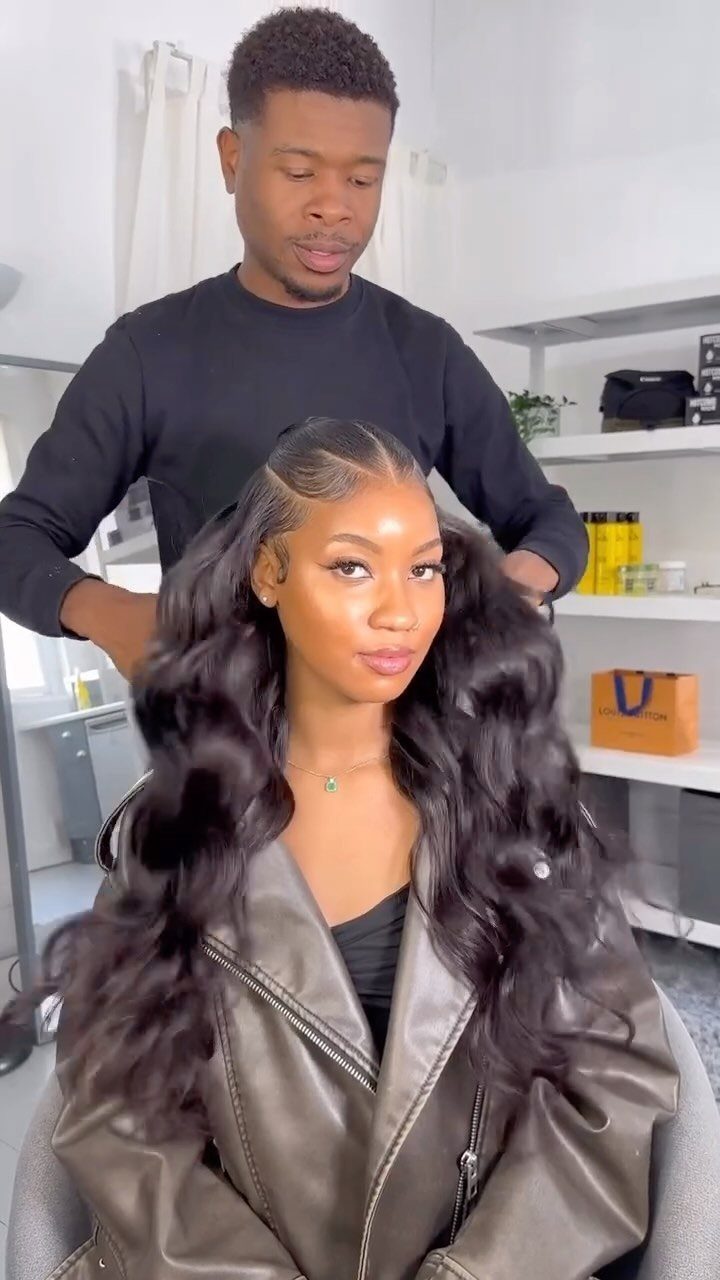
Styled edges and baby hairs are short, fine strands at the hairline sculpted into swoops, swirls, or geometric patterns with gel and a fine-tooth brush or edge tool.
The visible version shows them against long, voluminous waves, which pairs polish up top with freedom below.
Textured hair gets a polished finish here without starting over from scratch.
Edge control gel and a toothbrush or dedicated edge brush do the shaping; lay them with a silk scarf pressed on top if you need them to survive humidity.
The work is front-loaded: once set, the pattern holds until you touch it.
Growing edges back from thinning or tension takes months, so avoid styles that pull them constantly. I would keep the rest of the hair simple when the edges do this much talking.
Modernizing Vintage Styles
Marc Ballance, a celebrity hairstylist, put it plainly: the difference this time is that the looks are softer, healthier, and more wearable.
What worked on MTV does not always work for a Tuesday. You keep the bones of the old style and update how you build it.
Hair.com lists thirty ’90s styles they consider still wearable, which suggests the range is wide enough that you can find one that fits your actual life.
The early 2000s revival works the same way: the blue eyeshadow and chunky highlights return, but the application changes.
“As music, fashion, and beauty continue to revisit the early 2000s, hairstyles naturally follow,” says celebrity hairstylist Marc Ballance.
Using Hair Accessories
Scrunchies are the easiest entry point. The fabric changes everything; velvet or a loud print gives a totally different result.
Butterfly clips and hair rings sit in the same category.
A single piece from that era updates a current style without demanding a full costume commitment. The accessory does the reference work so the cut does not have to.
Emphasis on Texture
Crimped hair is the most recognized Y2K texture, according to the sources. The current way to wear it keeps roots smooth and limits the crimp to the ends, or pins it all into a sleek ponytail with crimped length.
This has already moved past the novelty stage; you have seen it on recent red carpets and in street style.
Layered cuts build texture more permanently. Crimping gives volume that lasts because the bend is structural, but it demands heat protectant and acceptance of the time it takes.
Celebrity Influence
Cindy Crawford, Janet Jackson, Jennifer Lopez, and the Olsen twins are not random names; they are the specific reference points that made these styles legible.
Hair.com built a list of thirty ’90s hairstyles around the icons who wore them, and Elle tied the resurgence directly to rewatching Friends or Clueless.
The mechanism is straightforward: a celebrity wears it, the image circulates, and the style becomes available as something you might do too.
TikTok and Instagram accelerate this, but the pattern is older than the platforms. What changes is which celebrities the algorithm surfaces, not the process itself.
Frequently Asked Questions
What hairstyles were popular in the 90s and 2000s?
The 90s and 2000s ran on layered cuts, crimped hair, and updos held with claw clips or butterfly accessories.
Sitcom-inspired short cuts like the Rachel sat alongside edgier grunge waves and spiked pixies. By the 2000s, chunky highlights, sleek high ponytails, and bubble braids took over, with Y2K bringing in face-framing layers and zig zag parts.
The era had no single look; what you wore depended on whether you were channeling supermodel polish or MTV rebellion.
What are some Y2K hairstyles?
Y2K hairstyles include crimped waves, butterfly clips scattered through the hair, and face-framing layers that curve inward at the cheekbone. Bubble braids with clear elastics and zig zag parts add the playful geometry that defined the era’s aesthetic.
Chunky highlights with bold contrast and half-up pigtails pulled high complete the look. These styles share a common trait: they announce themselves rather than pretending to be effortless.
What is a 90s bixie?
A bixie is a hybrid cut that lands between a bob and a pixie, longer than a true pixie but shorter than a standard bob.
A bixie lands right between a bob and a pixie: short enough to skim the jaw, long enough to tuck or flick out.
The 90s version kept it choppy and piece-y, not polished. A bixie would fall into that grown-out phase, keeping some of the pixie’s closeness at the crown while gaining length toward the nape or chin.