A vintage romantic wedding can pull from heirlooms you already own or pieces you rent for the day, and the cost swings wide depending on which side of that line you land.
The 11 ideas below range from a grandmother’s crocheted doily under a bread plate to a five-light brass candelabra at the center of a draped table, with one rule that keeps every choice from tipping into costume: pick a single decade and let it guide what follows.
1. Wedding Venue
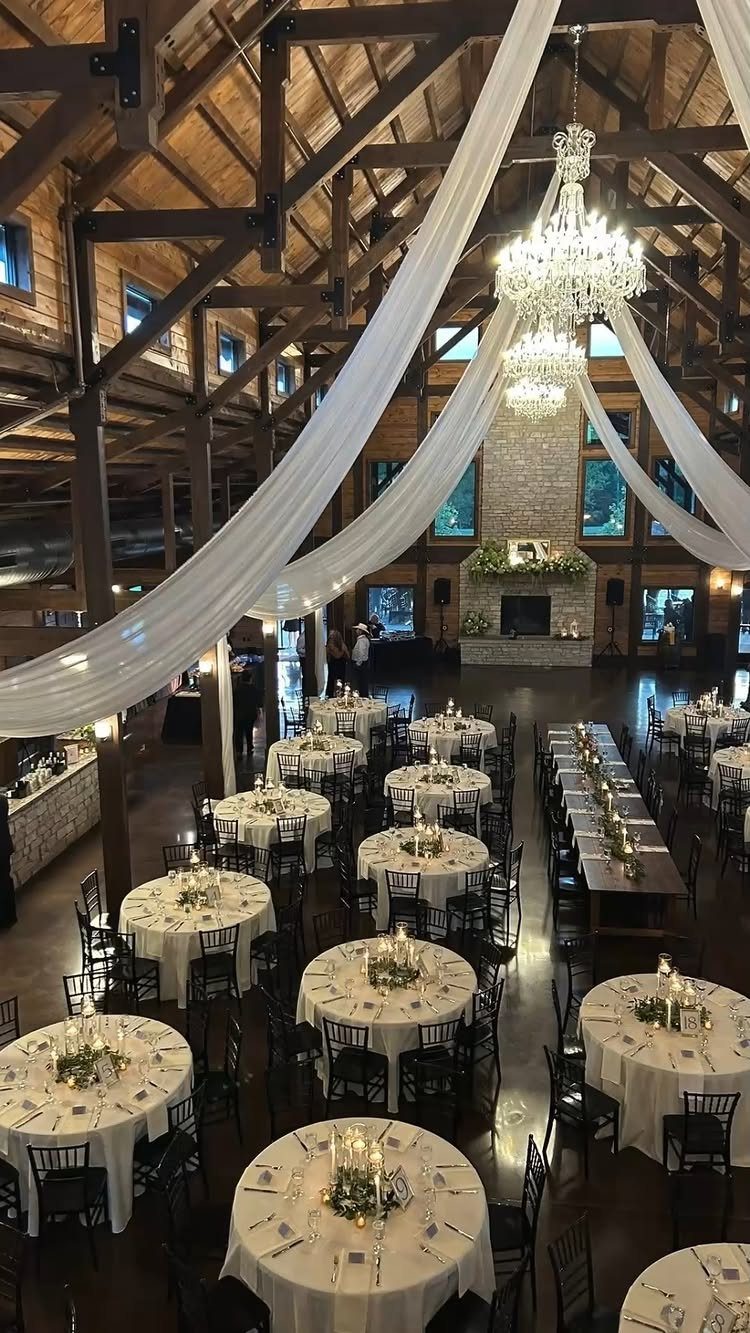
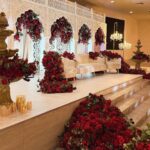
A barn with exposed timber and a stone fireplace already carries the years you want your wedding to feel.
Arched doorways, circular beams, or a dramatic entrance give guests the sense of stepping into another era without any decoration at all.
I looked at dozens of venues before I understood that architecture does the work.
Vaulted ceilings let you hang simple draping or a few chandeliers instead of building atmosphere from scratch. Brick walls photograph warm and need almost nothing against them.
Check what the venue already owns.
Some barns keep vintage furniture, mismatched china, or wooden arbors on site. Those pieces save rental costs and keep the look consistent.
2. Doilies & Lace Napkins
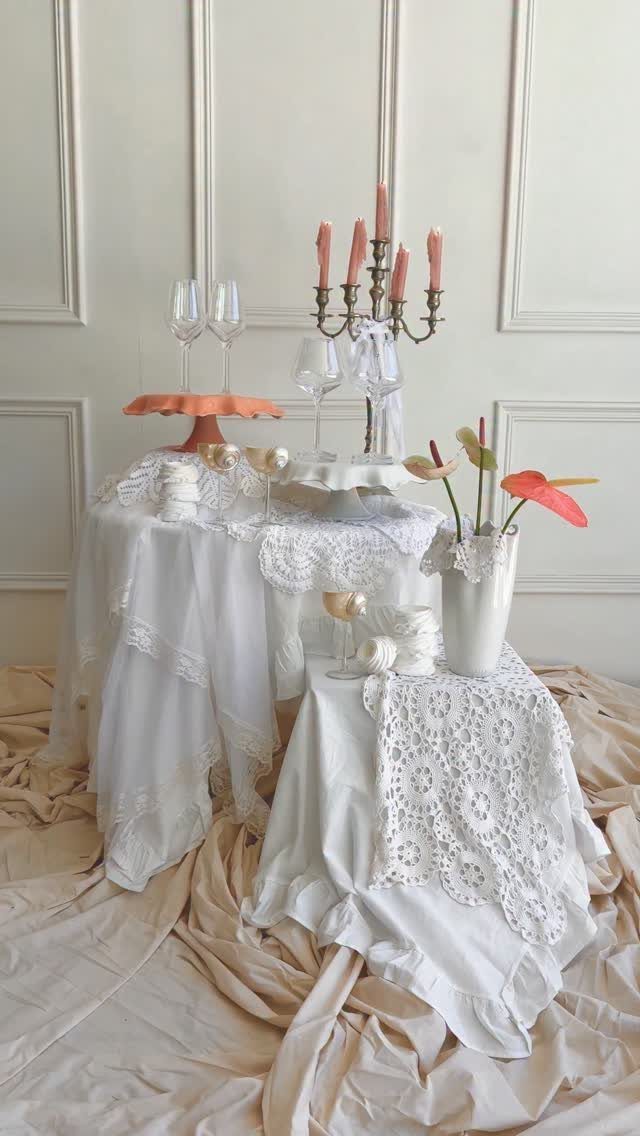
Crocheted doilies read vintage because most of us inherited them from a grandmother’s drawer. Lay them flat as placemats or fold lace napkins with a simple ring, either way the texture does what printed patterns cannot.
The piece I keep in mind is scale.
A small doily under a bread plate looks delicate; the same doily stretched under a dinner plate looks like a coaster that shrank. Measure your plates against the doily before ordering.
White-on-white keeps the look clean rather than cluttered. If your table already has pattern, use lace at the place setting only, not across the whole surface.
3. Lace & Tulle Wedding Dress
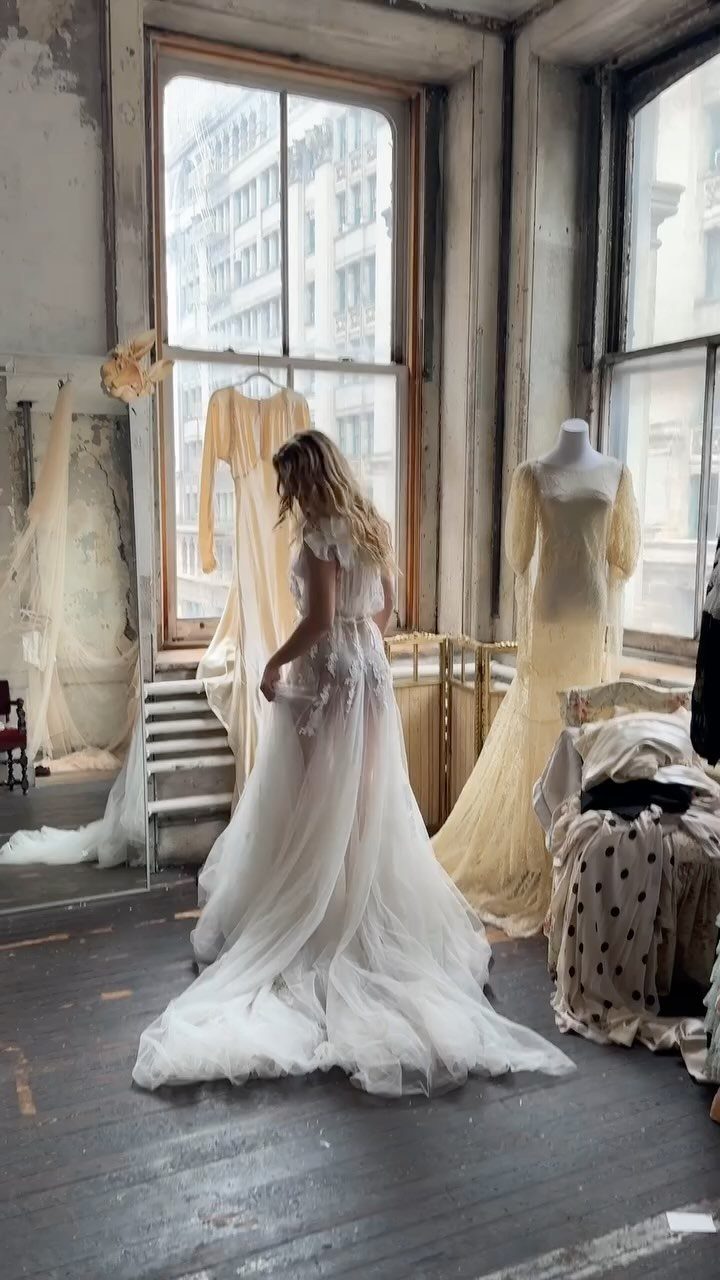
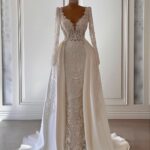
Lace carries memory in a way satin does not. The openwork catches light from behind during the ceremony and photographs as shadow and pattern rather than flat white.
Tulle layers over lace give the skirt air without weight. I have seen brides in July who were comfortable in tulle and brides in crepe who were not; the fabric breathes better than its volume suggests.
Ask your shop how the lace is attached at the edges.
Frayed or raw edges read more relaxed, finished edges more formal. Either works, but the choice should match the rest of your day.
4. Tea-Length Wedding Dress
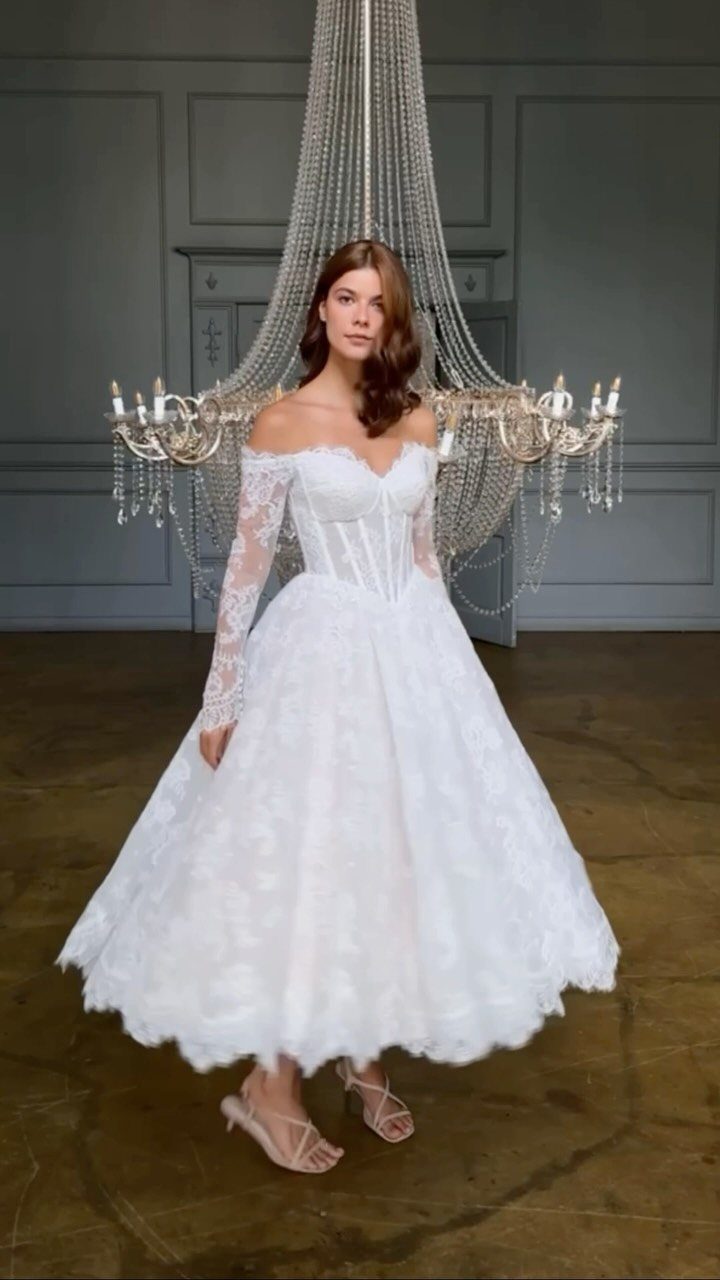
Hemming a wedding dress to the mid-calf changes how you move and how the day feels. You can walk on grass, climb stairs, and dance without holding fabric off the floor.
Audrey Hepburn wore this length in Funny Face, and the silhouette still signals mid-century romance. An off-the-shoulder neckline or corset bodice keeps the shape from looking too casual for a ceremony.
The trade-off is shoes.
A floor-length gown hides whatever is comfortable; tea-length puts your feet on display. Budget for a pair you want photographed, or plan a change after the ceremony.
5. Birdcage Wedding Veil
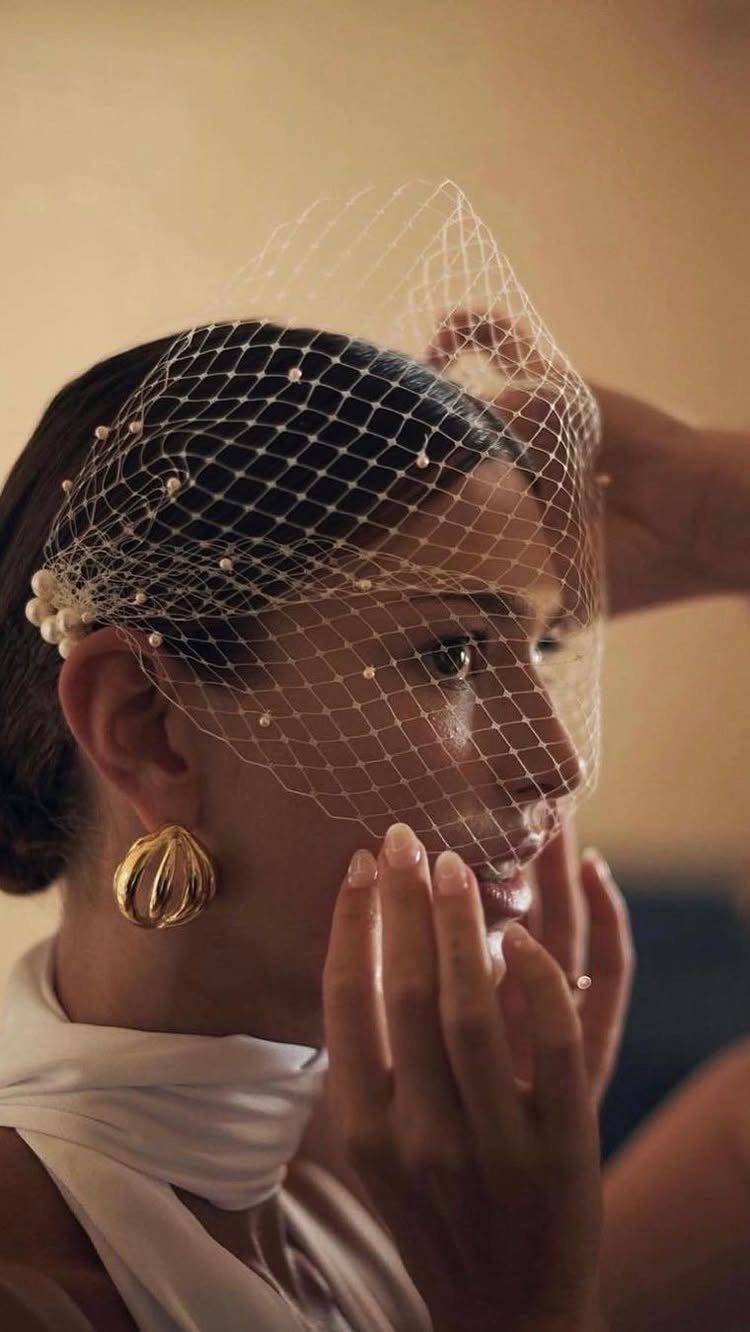
A birdcage veil covers just the eyes or the full face depending on how it is pinned, and the netting itself becomes the accessory. Pearls or crystals scattered across the net catch light without the structure of a tiara.
This veil sits closer to the head than tulle, so your hairstyle matters more. An updo gives the pin something to grip; loose hair can slip under the weight.
The length works especially well with lace or tea-length dresses because none of the pieces compete for drama. Each is quiet, and together they read intentional.
6. Retro Signage
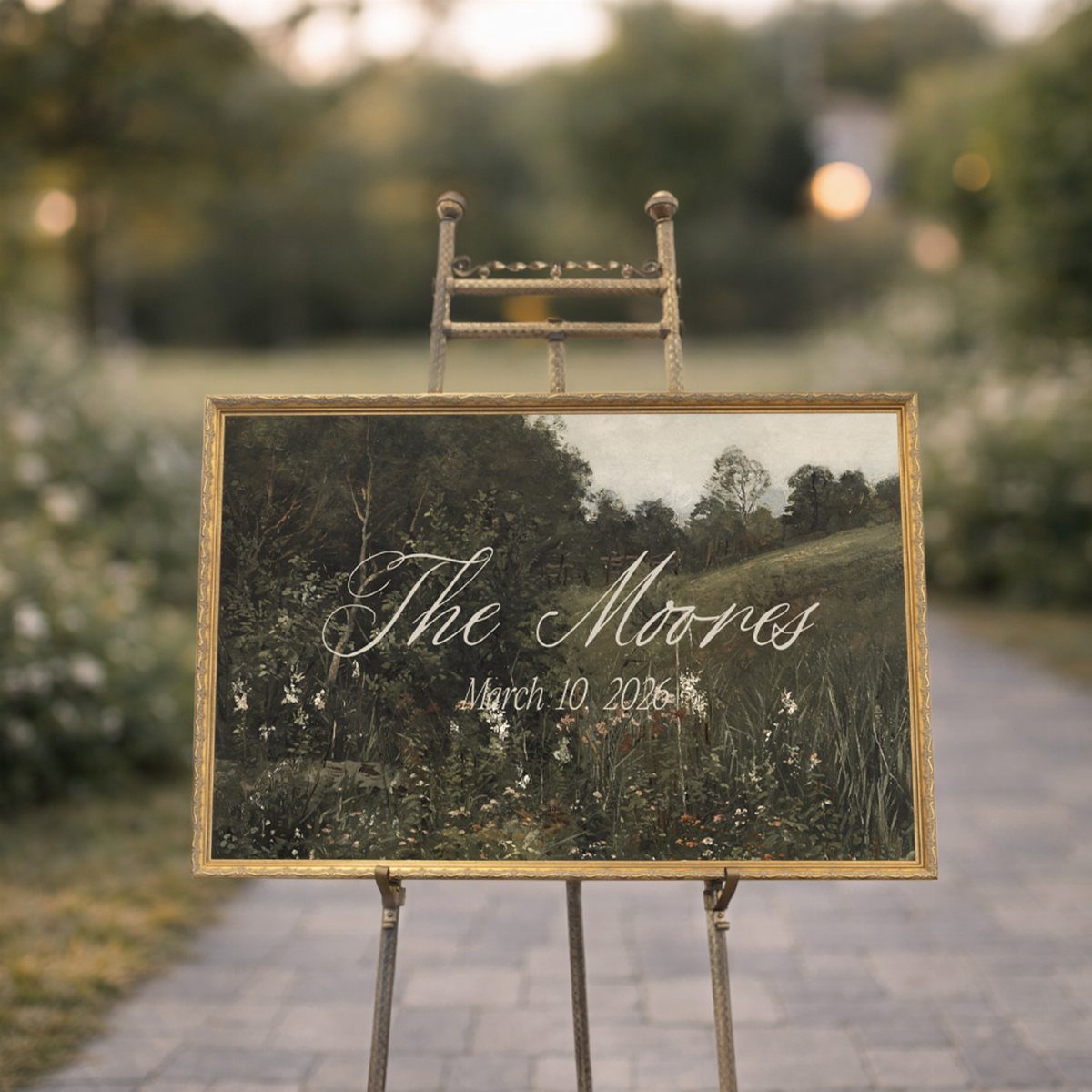
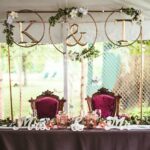
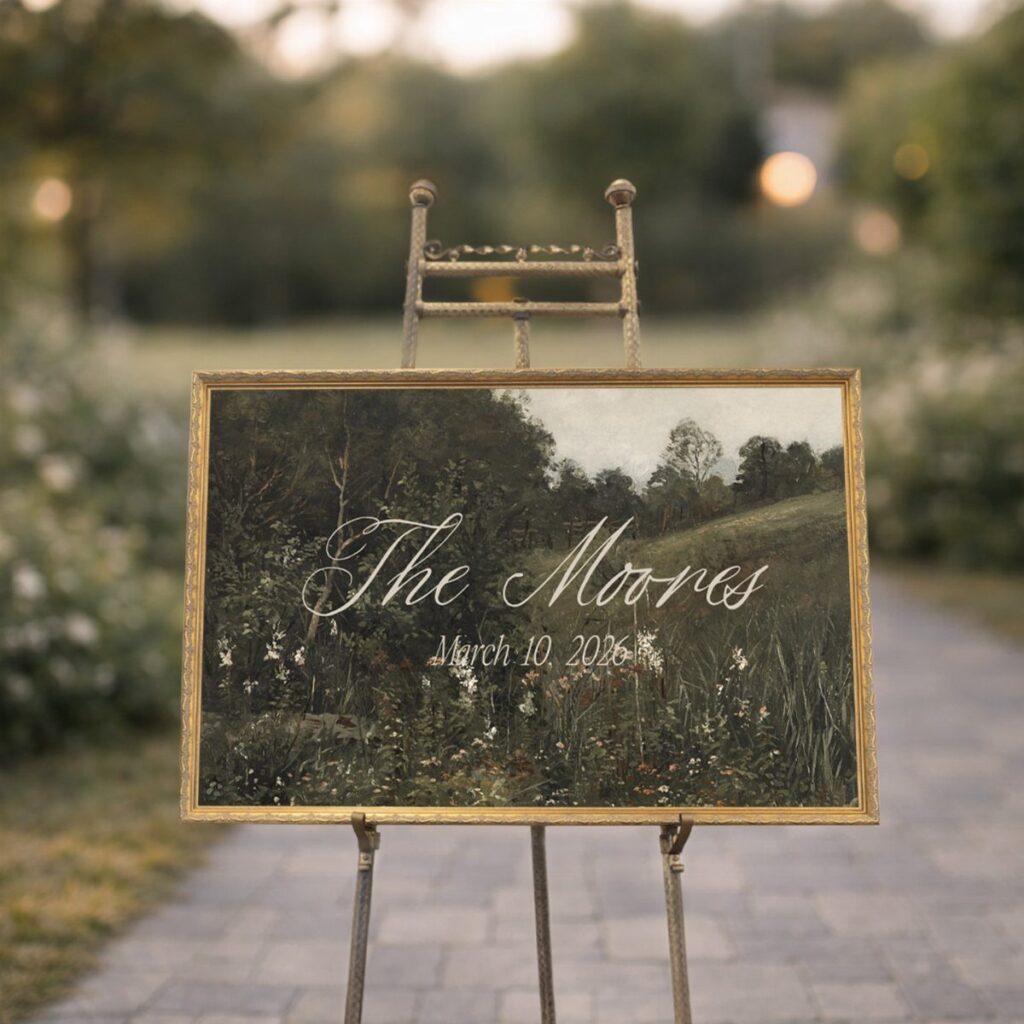
A framed welcome sign on an easel does 2 jobs: it greets guests and tells them they are in the right place.
For a vintage wedding, the frame matters as much as the words. Ornate metal or gilded wood carries the era better than anything printed inside it.
Estate sale frames often cost less than rental fees and work just as well for home walls after the wedding. The glass can be replaced with mirror, chalkboard, or left clear with calligraphy on vellum.
Set the easel where guests slow down, not where they queue. The entrance to the ceremony space or the threshold to the reception room gives time to read without blocking traffic.
7. Draped Tablecloths
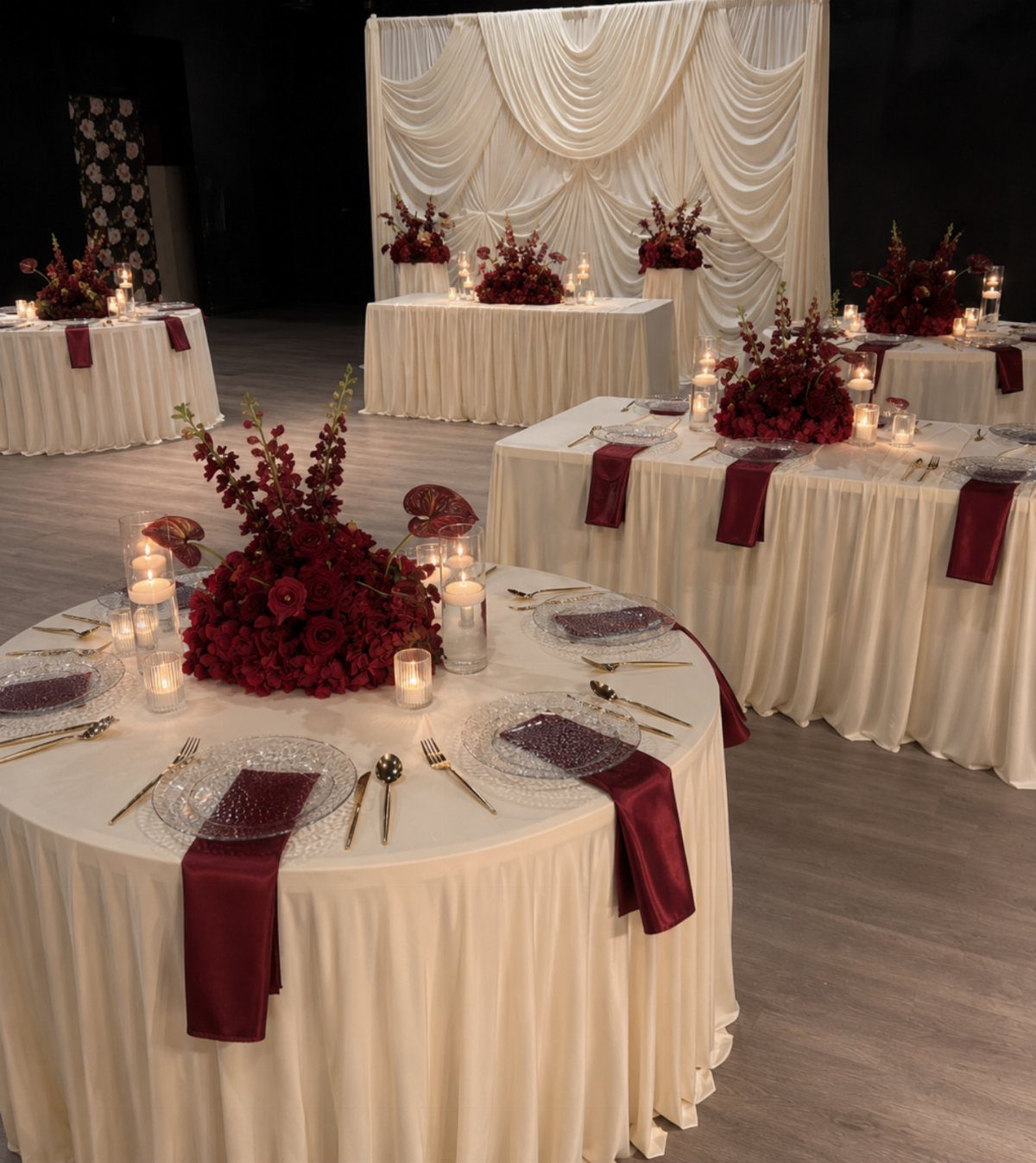
Floor-length fabric that pools at the base of each table turns a plain rental into something that feels considered. The extra yardage at the bottom catches light differently than a standard drop and reads as deliberate excess rather than mistake.
Lace or satin both work, though satin reflects more light and lace needs something solid underneath. Draped tablecloths in the same fabric as the backdrop tie the room together without matching every detail.
Layer a runner or antique lace strip down the center if the cloth itself is simple. The weight of the fabric matters: too light and it floats, too heavy and it drags chairs when guests shift.
8. Ornate Candelabras
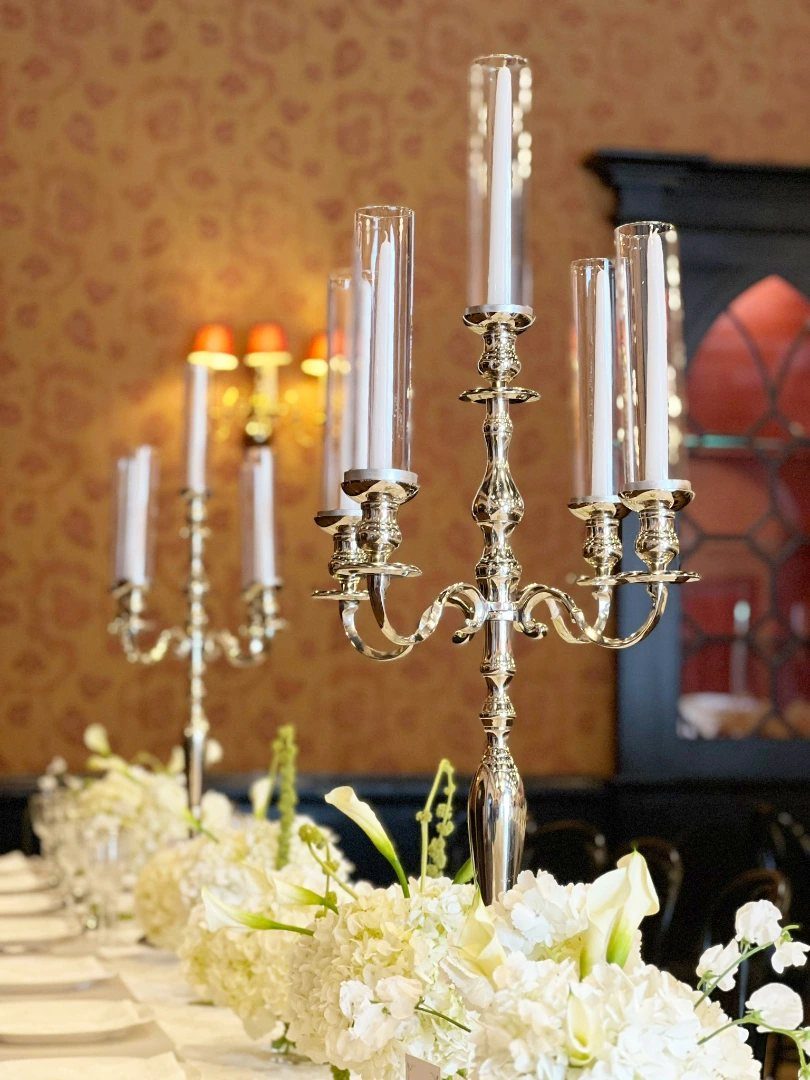
Taper candles in glass chimneys solve the problem open flames create at a crowded table.
The chimney keeps the flame steady and keeps wax off the cloth, while the silver or brass base catches what light there is and throws it back upward.
Multi-arm pieces need space.
A five-light candelabra at a small table means someone is eating beside a candle; at a large table it becomes the center guests lean around. Scale to your table size or cluster several small pieces instead.
Dripped wax down the sides reads as age rather than neglect, though fresh tapers drip less and stay taller through the evening.
9. Classic White Florals
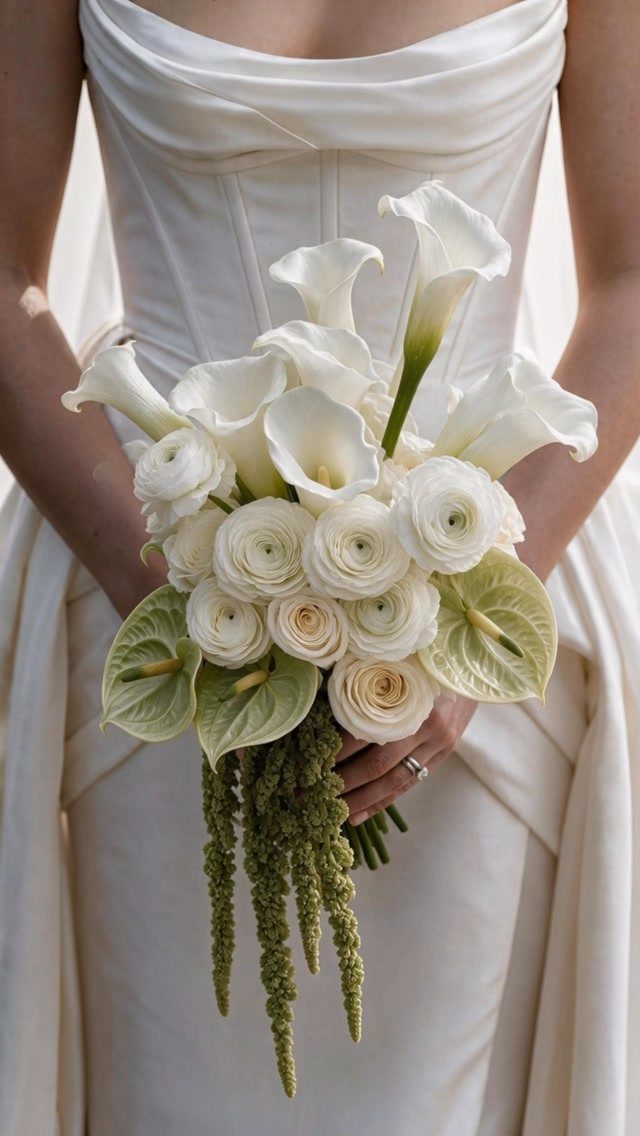
Large-headed flowers arranged close together feel formal without effort. Hydrangeas, calla lilies, and tulips each have the scale that shows across a room, so a centerpiece does not need height to register.
White reads as the absence of color rather than a color choice, which keeps vintage palettes from tipping into costume. The green stems and leaves become the contrast instead of competing petals.
Cascading amaranthus or trailing greenery softens the edges of an otherwise tight arrangement. This works best in a ceremony setting or on a mantle; at a table where guests talk across, keep the profile low enough for faces to show.
10. Vintage Furniture Pieces
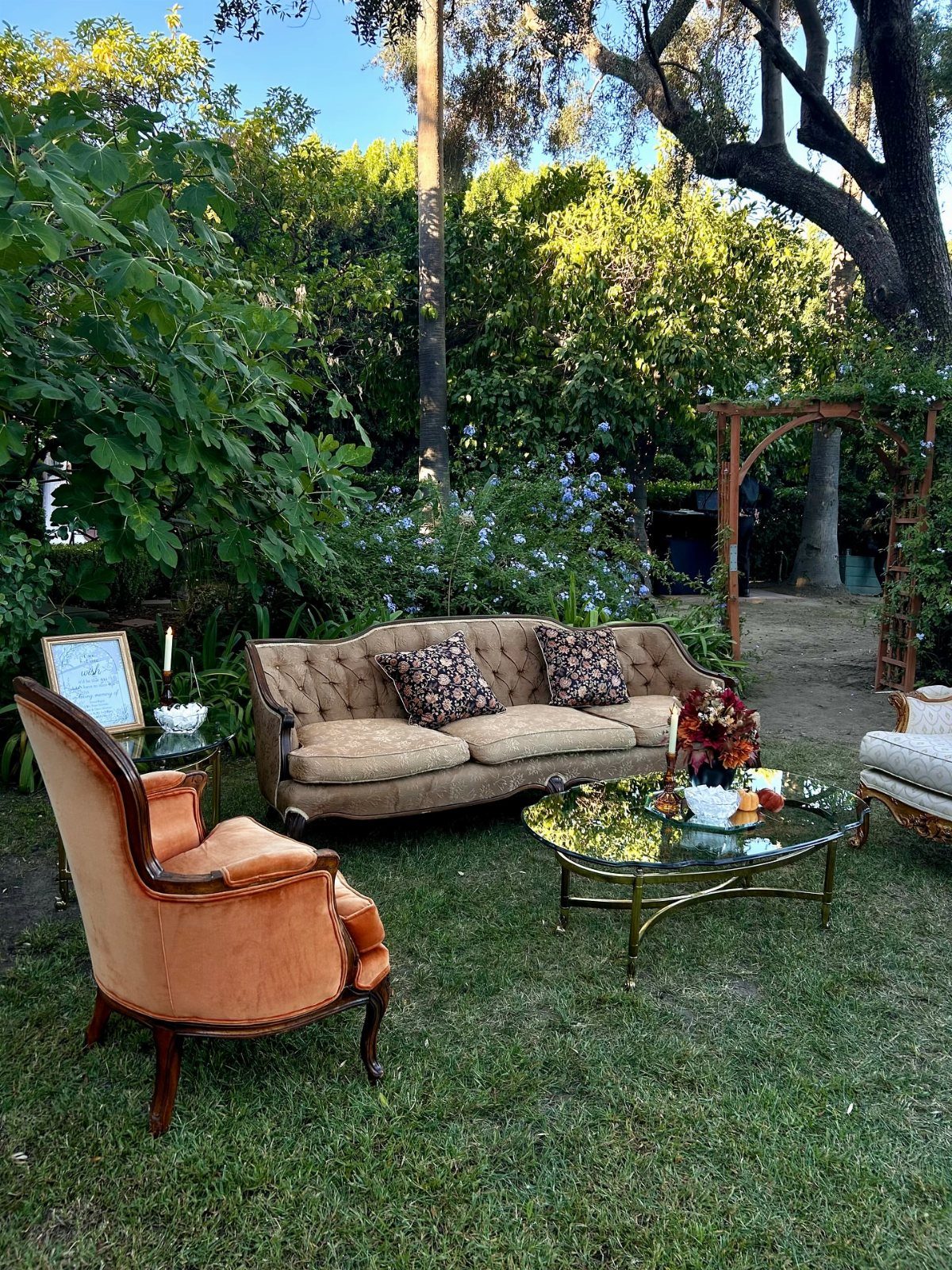
The pieces do not match, which is the point: a velvet armchair beside a linen settee looks collected over years rather than ordered from a catalog.
Rental companies that specialize in vintage stock often deliver and collect same-day, though delivery to an outdoor site costs more than to a loading dock.
Ask whether their pieces are restored originals or reproductions; both photograph well, but the weight and wear differ.
These arrangements work best where guests linger, not where they pass through. A lounge area near the bar or away from the dance floor gives people a reason to settle.
11. Calligraphy & Lace Stationery
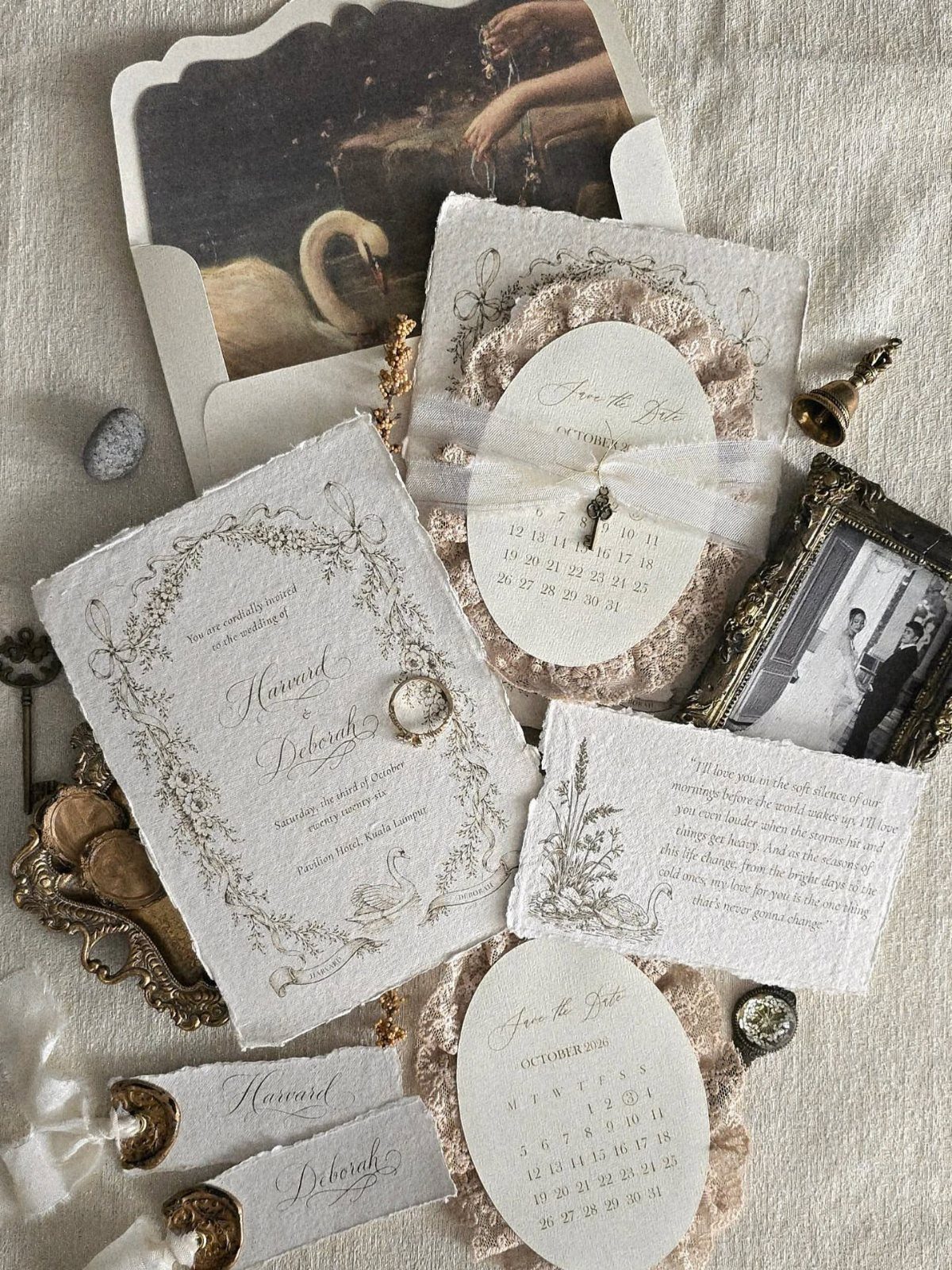
Hand-lettered names on handmade paper slow the eye down in a way laser printing cannot. The slight irregularity of the ink and the deckle edge signal that someone touched this before it reached the guest.
Lace trim on a save-the-date or place card adds texture but frays at the edges through mailing and handling. Use it for day-of pieces guests receive in person, or line the envelope instead of bordering the card itself.
Neutral paper colors, cream or soft gray, let the calligraphy read as the design rather than competing with it.
A framed couple’s photograph or vintage key as a prop in the flat-lay becomes a keepsake after the wedding; the stationery itself often does too.
Choosing a Theme
A single vintage era keeps the whole day from feeling like a costume bin. Pick one decade or period and let it guide every choice after.
The 1920s brings beaded fringe and low waistlines; Victorian brings bustles and darker florals. Mixing them turns into "vintage" as a generic mood rather than a place in time guests can almost name.
A wedding feels transported when the couple stays narrow, and confused when they don’t; the tighter the focus, the clearer the vision.
When your venue, your dress, and your smallest detail all answer to the same era, guests stop cataloging decorations and simply feel somewhere else.
Inspiration Sources
Your era lives in photographs, not imagination. Pull actual images from the years you are borrowing: magazine spreads, family albums, film stills.
Victorian studio portraits show how furniture grouped in parlors, not how it arranges for a modern cocktail hour.
The 1920s existed in color too, though we often picture it in sepia; check whether the palette you remember matches the one that was real.
Sources disagree on what counts as authentic versus inspired.
Some vendors sell anything brass as Victorian; reproductions from later decades are already aging into their own vintage. Decide whether you want the era as it was or as we imagine it now, because the two lead to different choices.
Personal Touches
Family heirlooms do what rented props cannot: they carry specific people into your room.
A grandmother’s doily under your cake, a great-aunt’s brooch pinned to your bouquet, a set of china that traveled from another country, these tell guests whose history this is.
The piece matters less than the story attached. A tarnished tablespoon with no provenance is just silver; the same spoon from your parents’ first apartment carries weight.
Hand-lettered stationery, mentioned earlier, works the same way.
The irregular ink says someone sat with this, not that it arrived from a printer. Combined with an heirloom, it builds a wedding that could not belong to any other couple.
Budget Considerations
Vintage styling ranges from nearly free to rental-dependent, and the difference is usually whether you own pieces already or borrow them.
Estate sale frames and inherited doilies cost little beyond time to hunt.
Rental furniture and candelabras run higher, and delivery to an outdoor or rural venue adds fees that indoor setups avoid. Ask whether quoted prices include transport; they often do not.
Some venues keep vintage items on site, which saves both rental cost and coordination.
Others charge extra for pieces you assumed came with the room. Check the inventory list before you budget, not after you have already imagined the scene.
The narrowest era sometimes costs least because it limits your shopping. A broad "vintage" search turns up everything; a kitchen wedding from one decade gives you clear yes and no.
Frequently Asked Questions
What are some romantic vintage wedding themes?
Victorian elegance, 1920s glamour, and rustic barn charm are the most common directions.
Each one gives guests a specific era to step into rather than a vague "old-fashioned" mood. Picking a single decade keeps every choice after that, from your dress silhouette to your tableware, feeling like one coherent world.
What is the 50/20/30 rule for weddings?
The 50/20/30 rule splits your after-tax income into 50% for needs, 20% for savings, and 30% for wants, which some couples adapt for wedding planning by treating the wedding as a short-term savings goal within that 20% or a controlled splurge from the 30%.